






Entering a new market because it looks promising can be an expensive mistake. A product may perform well in one country and receive little attention in another because demand depends on local needs, buying habits and the conditions surrounding the market.
Before investing in distribution or inventory, businesses need evidence that enough customers want the product and can access it at a workable price. Demand assessment provides that evidence and helps a company decide whether to enter, adjust its offer or reconsider the opportunity.
Interest Is Not the Same as Demand
A product can attract attention without generating enough sales to support a business.
Potential customers may like the idea but consider the price too high. They may already use an alternative that meets their needs. In other cases, the product may solve a genuine problem but remain difficult to purchase because the right sales channels are unavailable.
This is why businesses should look beyond general interest. The important issue is whether customers have a reason and the ability to buy.
Define the Customer Clearly
Demand becomes easier to measure when a business knows exactly who the product is for.
A fashion brand targeting young professionals will examine a different market from an industrial equipment manufacturer selling to construction companies. Even within the same country, customer groups can have very different priorities.
Businesses should therefore define the intended buyer before estimating the size of an opportunity. This makes research more focused and prevents broad population figures from being mistaken for a ready customer base.
Study What Customers Already Buy
Existing purchasing behaviour can reveal whether a market is prepared for a product.
Businesses can examine similar products already available and how customers respond to them. Strong sales may indicate established demand, while limited availability could point to either an opportunity or weak customer interest.
Competitors can also provide useful clues. Their product range, pricing and market presence show how existing companies are serving customers.
The purpose is not to copy competitors. It is to understand the commercial environment the new product will enter.
Test Whether the Price Works Locally
A product needs more than interested customers. Its final price must also make sense in the destination market.
International products can accumulate additional costs before reaching the buyer. Shipping, import requirements and distribution expenses can affect the amount customers eventually pay.
A business should calculate this before assuming that a successful product can simply be introduced at the same commercial position it holds elsewhere.
For Austine & Partners, this is an important part of market access. The company works with product owners seeking opportunities across West Africa, combining local commercial knowledge with an understanding of the routes required to bring products into the market.
Examine the Route to the Customer
Demand has little commercial value when a business cannot reach the people creating it.
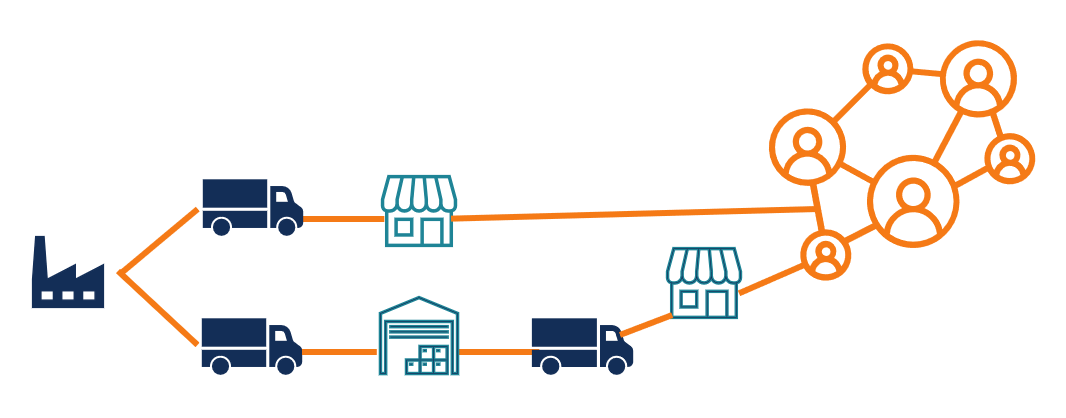
Before entering, companies should determine where their intended customers normally purchase similar products. Depending on the sector, this could involve retail stores, wholesalers, pharmacies, specialised dealers or business-to-business channels.
The available distribution structure can influence whether an opportunity is practical.
A Fast Moving Consumer Goods (FMCG) company, for example, may discover strong customer interest but struggle if its product cannot achieve enough retail availability. An industrial supplier may face a different challenge if purchasing decisions are concentrated among a small number of corporate buyers.
Understanding the route to the customer should therefore be part of demand assessment from the beginning.
Consider Regulatory Requirements Early
Some products cannot enter a market immediately, even when demand is clear.
Healthcare products and certain consumer goods may require registration or approval before commercial distribution begins. Technical products can also be subject to standards that affect their suitability for the destination country.
These requirements may influence the cost and timing of entry.
Businesses should understand them while assessing the opportunity, not after products have already been purchased or shipped.
Use a Smaller Entry to Learn
A company does not always need a nationwide launch to determine whether demand exists.
Where appropriate, beginning with a controlled quantity or selected location can provide useful information. Actual purchasing behaviour can then show whether earlier assumptions were accurate.
This approach can reveal which products move faster, where customers respond most strongly and whether the intended price works in practice.
The information gained from an initial entry can guide the next stage of expansion.
Know When the Evidence Says No
Market research is valuable even when it shows that a business should not enter.
Companies sometimes become committed to an expansion idea before completing their assessment. As a result, weak demand may be explained away because too much time has already been invested in the plan.
A decision not to enter can protect capital that can be used elsewhere. It may also show that the opportunity needs a different product, price or timing.
Good market assessment is therefore not designed to justify expansion. It is designed to determine whether expansion makes commercial sense.
Enter With Evidence
A large population or growing economy does not automatically create demand for every product. Successful entry depends on understanding the specific customer, purchasing behaviour, price conditions and route to market.
Businesses that examine these factors before committing significant resources can make expansion decisions with a clearer view of the opportunity.
Austine & Partners supports manufacturers and product owners exploring West African markets through market access, commercial intelligence and distribution support. This helps businesses move from identifying an opportunity to understanding whether it can work in practice.
To explore the commercial potential of your product in West Africa, connect with Austine & Partners: https://austineandpartners.com/contact/