





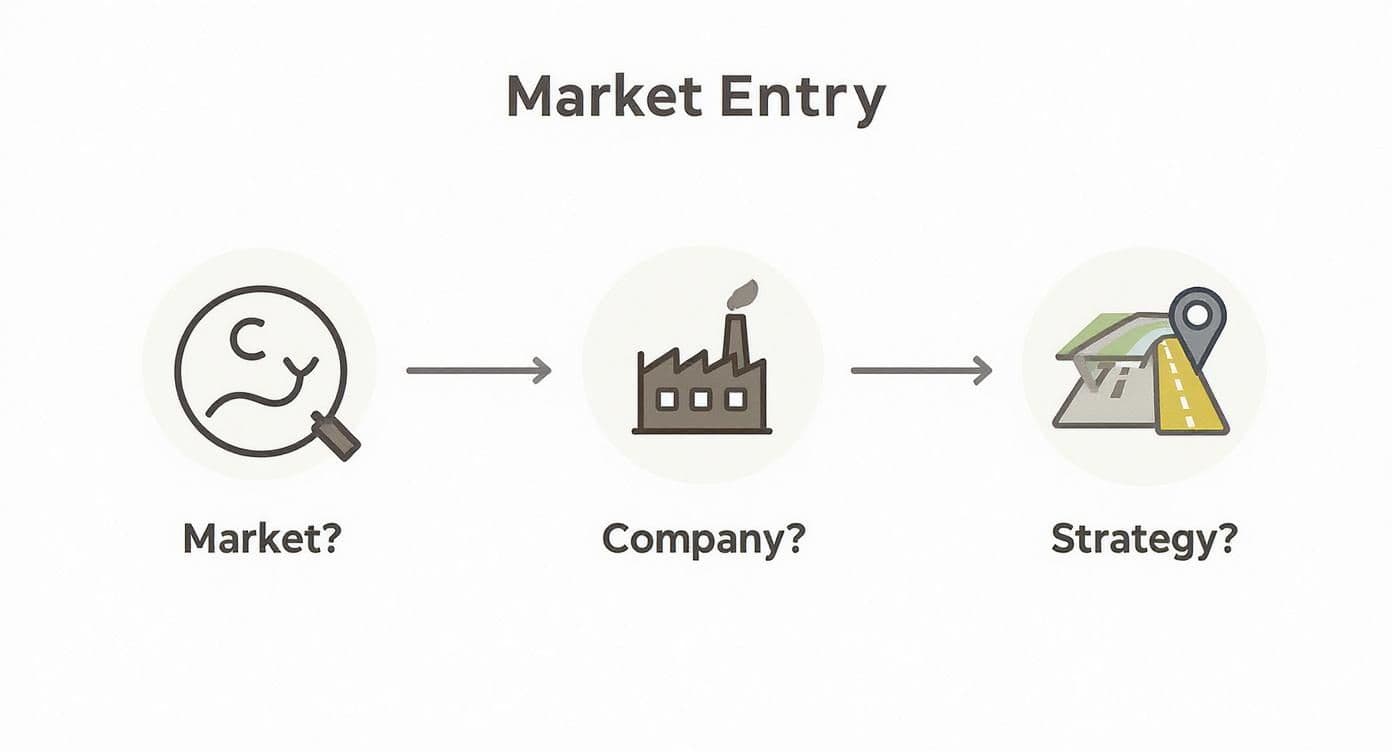


Entering a new healthcare market successfully requires much more than having a quality product. While many healthcare companies focus heavily on product development, long-term success often depends on understanding market conditions, building the right partnerships, and creating a practical route to market. Without these foundations, even highly effective healthcare products can struggle to gain traction.
The global healthcare industry continues to create significant opportunities for pharmaceutical companies, medical device manufacturers, healthcare suppliers, and health technology businesses.
Population growth, increasing healthcare awareness, and expanding access to medical services are creating demand in many regions. At the same time, competition is becoming stronger, which means companies must approach market expansion with a clear strategy rather than relying on assumptions.
Start With Market Research, Not Market Entry
One of the most common mistakes healthcare companies make is rushing into a new market before fully understanding it. Many organizations identify a country with growing healthcare demand and immediately begin planning expansion activities. However, demand alone does not guarantee success.
Before entering any healthcare market, companies should evaluate local healthcare systems, purchasing patterns, regulatory expectations, and competitive activity. Understanding who buys healthcare products, how purchasing decisions are made, and what challenges exist within the market can help businesses make better decisions from the beginning.
Strong research often reveals opportunities that are not immediately obvious. It can also help companies avoid investing resources in markets that may not be suitable for their products.
Understand the Regulatory Environment Early
Regulations influence almost every aspect of healthcare market entry. From product approvals to labeling requirements, healthcare companies must comply with rules that vary from one country to another.
Many businesses underestimate the time required to complete regulatory processes. Delays in approvals can affect launch timelines, disrupt expansion plans, and increase operational costs. Because of this, regulatory preparation should begin as early as possible.
Companies that take a proactive approach are often able to move through market entry processes more efficiently. They are also better positioned to build credibility with healthcare providers and stakeholders once products become available.
Healthcare companies that want to reduce uncertainty often benefit from working with experienced market expansion specialists. Companies such as Austine & Partners support organizations by helping them understand market requirements, identify opportunities, and develop practical entry strategies before significant investments are made.
Build a Clear Distribution Strategy
Healthcare products only create value when they reach the people who need them. This is why distribution planning should be a central part of every market entry strategy.
A company may have regulatory approval and strong demand for its products, yet still struggle because products are not reaching hospitals, pharmacies, clinics, or distributors efficiently.
Successful healthcare companies spend time understanding local distribution structures before entering a market. They evaluate potential partners, logistics capabilities, and delivery requirements to ensure products can move efficiently from supplier to customer.
A well-planned distribution strategy not only supports product availability but also strengthens customer confidence and long-term business performance.
Local Partnerships Can Accelerate Growth
Healthcare markets often operate through relationships and trust. Companies entering unfamiliar territories may find it difficult to navigate local business environments without support from experienced partners.
Strategic partnerships can provide valuable market knowledge while helping businesses establish credibility more quickly. Local partners often understand customer behavior, purchasing processes, and industry dynamics better than external organizations.
The right partnership can reduce risk, improve execution, and help businesses avoid costly mistakes during expansion.
Rather than trying to manage every aspect of market entry independently, many healthcare companies choose to collaborate with organizations that already understand the market landscape.
Adapt Products and Communication to Local Needs
Healthcare priorities differ across regions, and companies that recognize these differences are often more successful than those that apply the same strategy everywhere.
A product that performs exceptionally well in one market may require adjustments in another. Sometimes the changes involve packaging, communication, or positioning rather than the product itself. In other cases, customer education becomes an important part of the expansion process.
Understanding local needs allows companies to communicate more effectively and create stronger connections with healthcare professionals and end users.
When organizations demonstrate that they understand the realities of a market, they are more likely to earn trust and build lasting relationships.
Plan for Long-Term Growth
Many businesses focus heavily on launching products, but sustainable success requires looking beyond the launch phase.
Healthcare markets evolve continuously, and companies must be prepared to adapt to changing regulations, competitive pressures, and customer expectations. Organizations that view market entry as a long-term journey rather than a short-term project are often better positioned for growth.
This means investing in relationships, maintaining compliance standards, monitoring market performance, and continuously refining strategies based on new information.
Companies that remain flexible can respond more effectively to challenges while identifying new opportunities as markets develop.
Why Market Entry Expertise Matters
Healthcare market expansion involves multiple decisions that can influence future growth. Businesses must determine where to expand, how to enter, which partners to work with, and how to build sustainable operations.
Making these decisions without local insight can increase risk and slow progress. This is one reason many healthcare organizations seek support from companies that specialize in market access and business expansion.
Austine & Partners helps businesses navigate these challenges by supporting market entry planning, distribution development, strategic partnerships, and commercial growth initiatives. By helping companies build stronger market foundations, the company enables organizations to pursue expansion opportunities with greater confidence.
Conclusion
Successful healthcare market entry is rarely the result of chance. It comes from preparation, research, strong partnerships, and a clear understanding of how a market operates.
Companies that invest time in understanding regulations, developing distribution strategies, and adapting to local conditions are more likely to achieve sustainable growth and long-term success. While healthcare expansion presents challenges, it also creates significant opportunities for organizations willing to approach it strategically.
If your organization is exploring opportunities in new healthcare markets, contact Austine & Partners to discuss market entry strategies, distribution planning, and growth opportunities.