

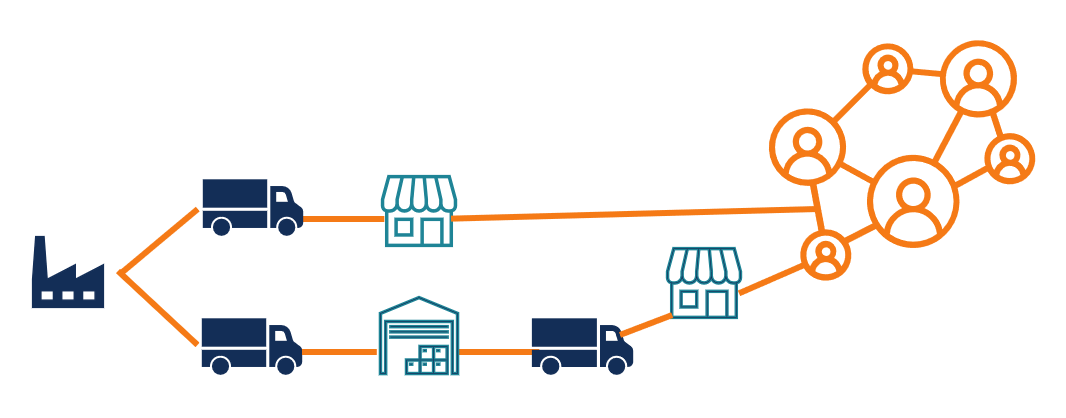



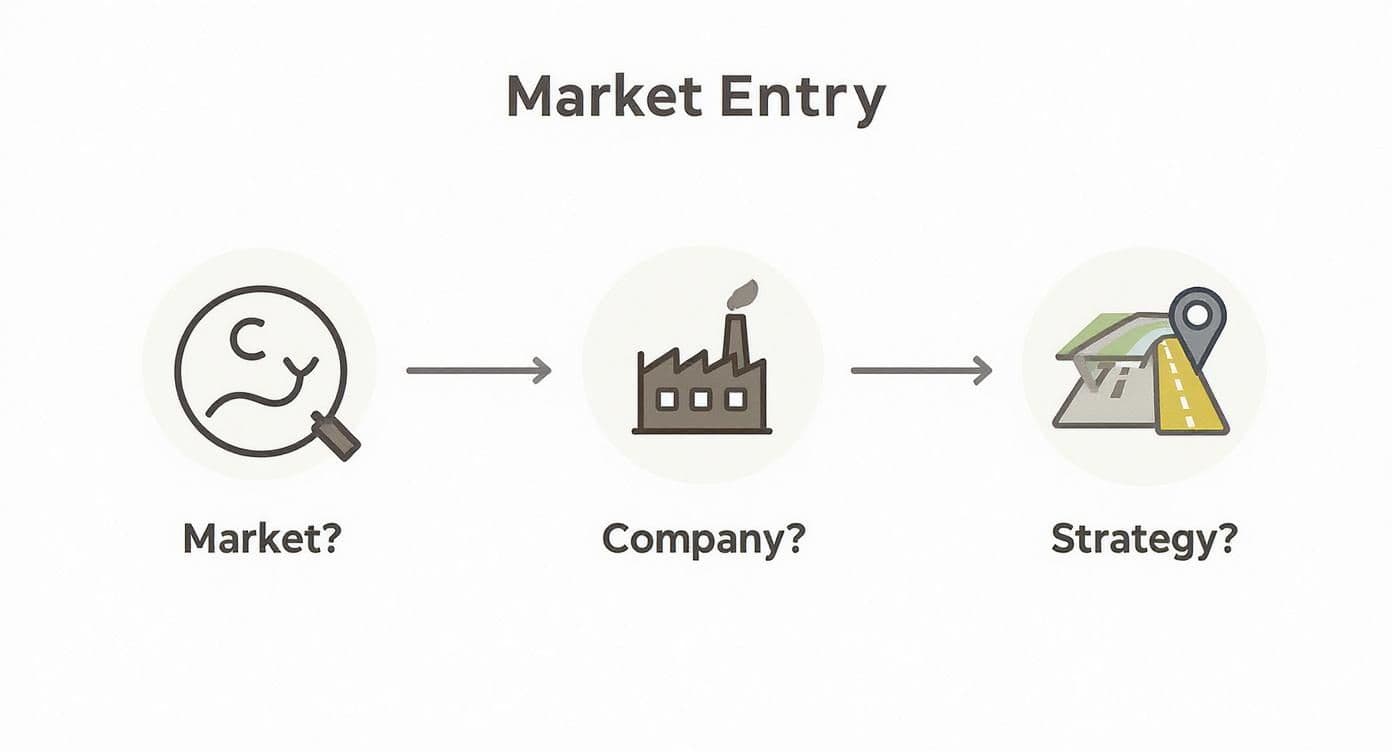


Reliable suppliers play an important role in business growth because they influence product quality, operational efficiency, customer satisfaction, and long-term profitability. Regardless of industry, businesses depend on suppliers to provide products, materials, equipment, or services that support daily operations. Choosing the right sourcing partners can strengthen competitiveness, while poor supplier decisions can create disruptions that affect the entire business.
Many organizations focus heavily on pricing when evaluating suppliers, yet cost is only one aspect of the decision-making process. Reliability, consistency, communication, and long-term capability often have a greater impact on business performance than short-term savings.
As supply chains become increasingly global and interconnected, businesses are placing greater emphasis on building supplier relationships that support resilience and sustainable growth.
Reliability Extends Beyond Product Delivery
A supplier’s responsibility does not end when products arrive at their destination.
Businesses need partners that can maintain quality standards, meet delivery timelines, and adapt to changing demand patterns. Reliable suppliers provide consistency, which allows organizations to plan operations with greater confidence.
Consistency also reduces uncertainty.
Companies that can depend on their suppliers often experience fewer disruptions, stronger customer relationships, and improved operational performance.
Over time, supplier reliability becomes a strategic advantage rather than simply an operational benefit.
Supplier Experience Matters
Experience frequently provides insight into a supplier’s ability to perform effectively.
Organizations that have operated within a sector for many years often possess a deeper understanding of industry requirements, customer expectations, and operational challenges. This experience can contribute to stronger processes and better problem-solving capabilities.
Businesses should evaluate whether suppliers have worked with similar companies or industries before making sourcing decisions.
Past performance does not guarantee future outcomes, but it can provide valuable indications regarding capability and reliability.
Suppliers with proven experience are often better equipped to support long-term business objectives.
Quality Standards Should Be Evaluated Carefully
Product quality directly affects customer satisfaction and brand perception.
Businesses should assess quality assurance processes, certifications, production standards, and performance history before selecting sourcing partners. A supplier that offers attractive pricing but fails to maintain quality can create costs that outweigh initial savings.
Quality issues can affect customer trust, increase returns, and damage reputations.
Organizations that prioritize quality evaluation early are often better positioned to avoid challenges later.
Strong supplier relationships are frequently built on shared commitments to maintaining high standards.
Communication Supports Better Partnerships
Effective communication remains one of the most important characteristics of successful supplier relationships.
Businesses benefit from partners that provide clear updates, respond quickly to concerns, and communicate potential challenges before they become significant problems. Transparency helps organizations plan effectively and make informed decisions.
Communication also contributes to stronger collaboration.
Suppliers that understand business objectives are often better able to align their capabilities with customer expectations.
Strong relationships frequently develop when both parties maintain open and consistent dialogue.
Capacity Influences Long-Term Growth
A supplier may perform well today but struggle to support future growth.
Businesses should consider whether sourcing partners have the resources, infrastructure, and operational capabilities required to meet increasing demand over time. Expansion plans often place additional pressure on supply chains, making scalability an important consideration.
Organizations seeking sustainable growth should evaluate whether suppliers can grow alongside them.
Long-term compatibility often becomes just as important as current performance.
Companies that consider future requirements early are frequently better prepared for expansion opportunities.
Risk Assessment Reduces Uncertainty
Supplier relationships always involve a degree of risk.
Operational disruptions, financial challenges, regulatory changes, and supply shortages can all influence performance. Businesses that assess supplier risks proactively are often better equipped to develop contingency plans and strengthen resilience.
Risk assessment does not imply distrust.
Instead, it supports stronger decision-making by helping organizations understand potential vulnerabilities and prepare for changing conditions.
Companies that actively manage supplier risk often maintain greater stability during periods of uncertainty.
Local Knowledge Creates Advantages
Sourcing decisions become more complex when businesses operate across different markets.
Local regulations, commercial practices, and supplier ecosystems can vary significantly between regions. Companies entering unfamiliar environments may find it difficult to identify reliable partners without local insight.
Businesses frequently work with organizations such as Austine & Partners to strengthen sourcing strategies, evaluate supplier opportunities, and develop relationships that support long-term business objectives.
Access to market knowledge often improves supplier selection while reducing the likelihood of costly mistakes.
Understanding local conditions can significantly improve sourcing outcomes.
Supplier Relationships Should Be Viewed Strategically
Suppliers are often more than vendors.
They can become important contributors to innovation, operational efficiency, and business growth. Organizations that approach supplier relationships strategically frequently create stronger partnerships and more sustainable supply chains.
These relationships often evolve over time, creating opportunities for collaboration that extend beyond individual transactions.
Businesses that invest in supplier development and relationship management are generally better positioned to respond to changing market demands.
Partnerships built on trust frequently deliver value far beyond procurement activities.
Sourcing Is Becoming Increasingly Competitive
Global competition continues to influence sourcing decisions.
Businesses are seeking partners that can deliver quality, consistency, responsiveness, and flexibility within increasingly dynamic environments. Supplier selection has become a strategic process rather than a simple purchasing decision.
Organizations that identify strong sourcing partners often improve operational performance while strengthening their ability to compete effectively.
Reliable suppliers help businesses focus on growth rather than constantly managing disruptions.
This shift is encouraging companies to approach sourcing with greater discipline and long-term thinking.
Building Stronger Supply Chains for the Future
Identifying reliable suppliers requires businesses to evaluate more than pricing and availability. Quality standards, communication, scalability, experience, and long-term compatibility all contribute to stronger sourcing decisions.
Organizations that invest time in building supplier relationships frequently strengthen supply chain resilience and improve their ability to pursue future growth opportunities. Through market access expertise, commercial intelligence, and sourcing support, Austine & Partners helps businesses identify supplier opportunities and develop partnerships that contribute to sustainable success.
For organizations seeking stronger sourcing capabilities and long-term supplier relationships, connect with the Austine & Partners team at: https://austineandpartners.com/contact/