




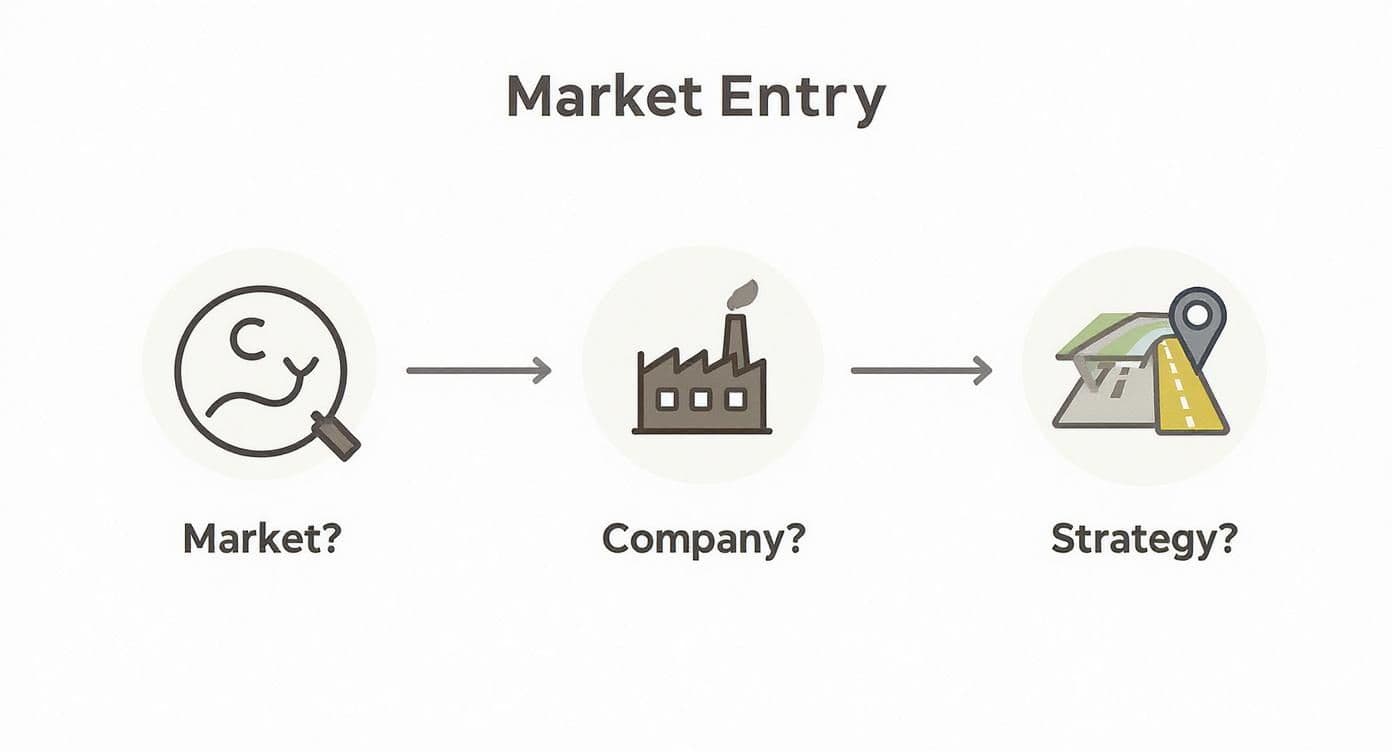


Pharmaceutical companies struggle with international market expansion because entering a new country involves much more than selling medicine. Companies must understand regulations, establish reliable distribution channels, and adapt to local market conditions. Many pharmaceutical businesses underestimate these challenges, leading to delays, higher costs, and missed growth opportunities.
International expansion remains one of the most effective ways for pharmaceutical companies to grow. Rising populations and increased healthcare spending continue to create opportunities in many parts of the world. However, success depends on careful planning and execution.
Understanding Different Regulatory Requirements
One of the biggest challenges pharmaceutical companies face is regulatory compliance.
Every country has its own rules regarding pharmaceutical products. These regulations may cover product registration, manufacturing standards, and distribution requirements.
A product that is approved in one country may not automatically receive approval in another. Pharmaceutical companies often discover that entering a new market requires additional documentation, certifications, or inspections.
Delays in meeting these requirements can slow expansion efforts and increase operational costs.
Many pharmaceutical companies discover that regulatory requirements and market entry processes are far more complex than expected. This is why working with an experienced market access and distribution partner such as Austine & Partners can help businesses reduce delays, identify growth opportunities, and build stronger foundations before entering a new market.
Building Effective Distribution Networks
Even the best pharmaceutical product cannot succeed if it does not reach healthcare providers and patients efficiently.
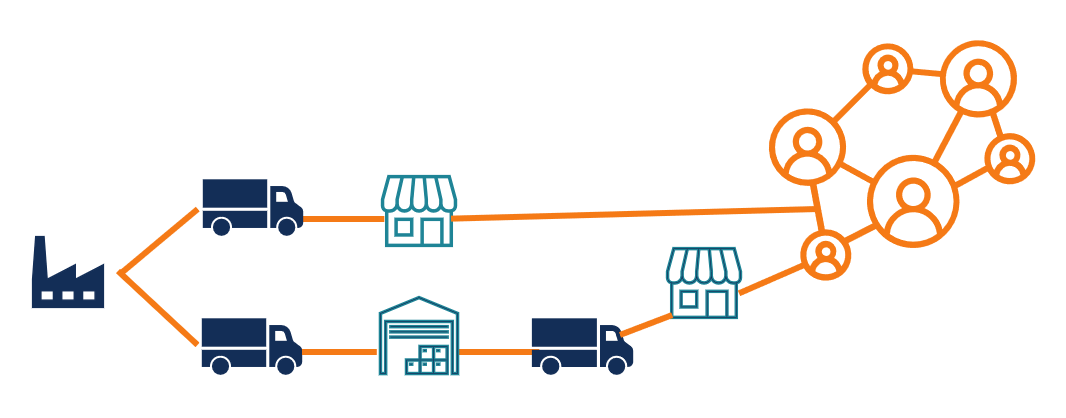
Many pharmaceutical companies struggle because they do not have established distribution networks in their target markets. A successful pharmaceutical distribution network depends on strong relationships with distributors, pharmacies, and healthcare providers.
Without reliable distribution channels, companies may experience supply shortages, delayed deliveries, and limited market penetration. Strong distribution systems help products reach the right customers while supporting long-term growth.
Understanding Local Healthcare Systems
Healthcare systems differ significantly from one country to another. Some markets rely heavily on public healthcare systems, while others are driven by private healthcare providers. Purchasing decisions may be made by government agencies, healthcare institutions, or consumers.
Pharmaceutical companies that fail to understand these differences often struggle to gain traction.
Successful market expansion requires a clear understanding of how healthcare products are purchased, distributed, and used within each target market.
Finding Reliable Local Partners
International expansion often requires strong local partnerships. Reliable distributors and business partners can help pharmaceutical companies navigate unfamiliar markets more effectively.
However, identifying trustworthy partners can be challenging. Companies that select the wrong partners may face poor market coverage, operational setbacks, or compliance issues.
Building relationships with experienced market expansion specialists can help reduce these risks and accelerate growth.
Managing Supply Chain Complexity
The pharmaceutical industry depends on highly controlled supply chains. Many products require strict handling procedures and storage conditions throughout the distribution process.
Expanding into multiple countries increases supply chain complexity and creates additional operational challenges.
Companies must ensure that products remain safe, effective, and compliant from production to final delivery.
Supply chain disruptions can affect product availability, customer confidence, and business performance. For this reason, pharmaceutical companies invest heavily in supply chain planning before entering new markets.
Adapting to Market Demand
Not every market has the same healthcare priorities. A product that performs well in one country may face different levels of demand elsewhere.
Population demographics, healthcare spending, and disease trends can all influence product performance. Comprehensive market research helps pharmaceutical companies identify opportunities and avoid costly mistakes.
Understanding market demand allows businesses to focus resources on regions with the strongest growth potential.
Competition in Established Markets
Many pharmaceutical companies enter markets where established brands already have strong customer loyalty and extensive distribution networks.
Breaking into these markets requires more than introducing a product. Companies must build trust, demonstrate value, and establish credibility with healthcare stakeholders. Strong market entry strategies can help businesses differentiate themselves and compete more effectively.
The Importance of Market Expansion Expertise
International pharmaceutical expansion involves multiple moving parts. Regulatory requirements, distribution challenges, and market access all play important roles in determining success.
This is where experienced market expansion partners become valuable.
Austine & Partners helps businesses navigate many of the challenges associated with entering new markets. Through expertise in market access, distribution development, strategic partnerships, and commercial growth support, the company helps organizations identify opportunities and build stronger foundations for expansion.
For pharmaceutical companies seeking growth across new regions, having the right support can make the difference between a successful market entry and an expensive setback.
Looking Beyond Short-Term Growth
Successful pharmaceutical expansion is not simply about generating immediate sales.
Long-term success requires sustainable distribution systems, strong partnerships, ongoing compliance, and continuous market evaluation. Companies that focus on building strong foundations are often better positioned to grow, adapt, and remain competitive over time.
International expansion should be viewed as a long-term investment that creates opportunities for increased revenue, broader market reach, and stronger brand recognition.
Conclusion
Pharmaceutical companies face many challenges when expanding internationally, including regulatory requirements, distribution barriers, supply chain complexity, and competitive pressures.
Businesses that understand these challenges and prepare effectively are more likely to achieve sustainable growth and long-term success.
Whether the goal is entering a new market, building stronger distribution channels, identifying strategic partners, or improving market access, working with experienced expansion specialists can simplify the process and reduce risk.
Contact Austine & Partners to discuss market entry strategies, distribution opportunities, and growth solutions tailored to your business. https://austineandpartners.com