

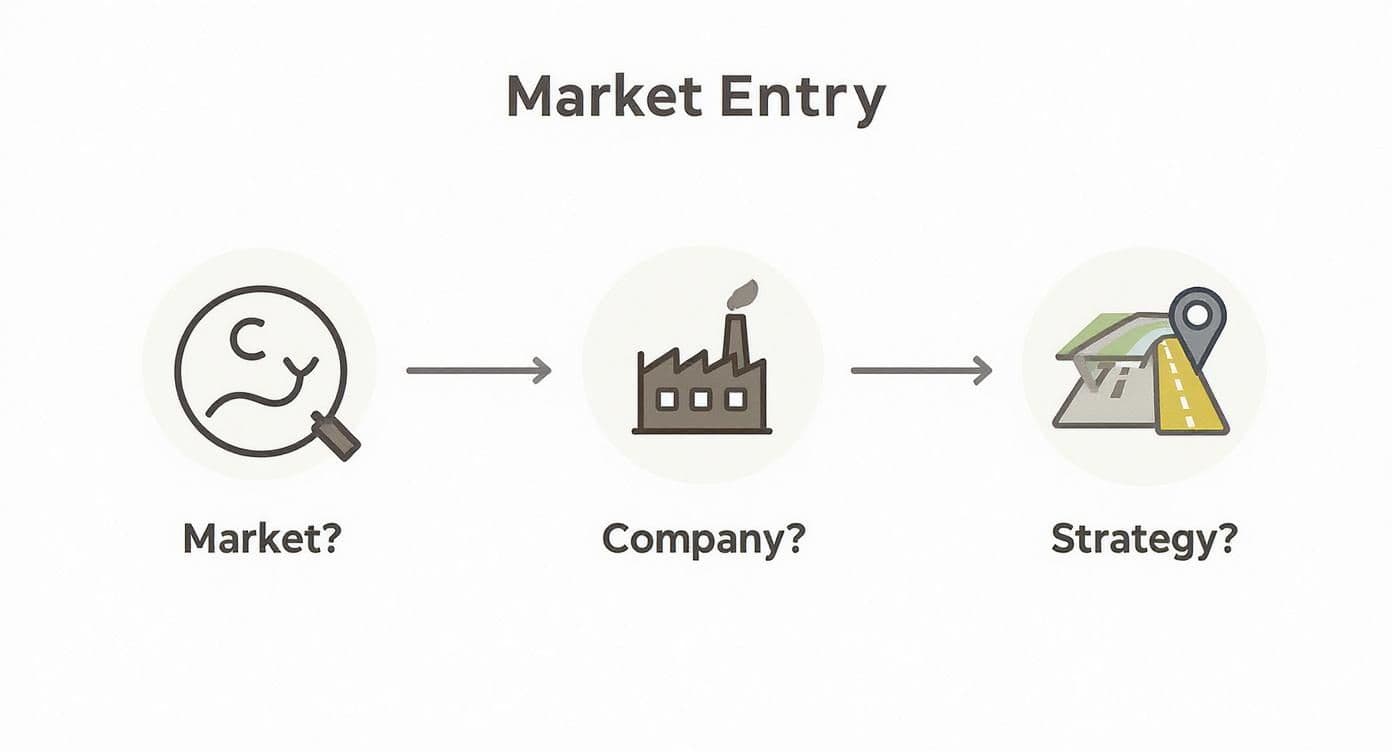






Procurement decisions can significantly influence the performance, efficiency, and profitability of industrial businesses. Whether organizations are sourcing heavy machinery, production equipment, manufacturing components, or technical systems, selecting the right suppliers and purchasing strategies often determines how effectively operations run over the long term. As industrial supply chains become increasingly global, commercial intelligence has emerged as an important tool for making stronger procurement decisions.
Many businesses still approach procurement primarily as a purchasing activity. However, leading industrial organizations increasingly view procurement as a strategic function that affects productivity, operational resilience, and business growth. Access to reliable market information allows companies to evaluate opportunities more effectively, identify risks earlier, and strengthen supply chain performance.
As industries continue to evolve, commercial intelligence is helping industrial suppliers and buyers make more informed decisions in a competitive marketplace.
Procurement Decisions Extend Beyond Pricing
Cost remains an important consideration, but industrial procurement involves much more than identifying the lowest available price.
Businesses must assess supplier capabilities, production standards, delivery reliability, technical support, and long-term service commitments before making purchasing decisions. Focusing solely on cost can create challenges that affect operations, customer satisfaction, and future growth opportunities.
Commercial intelligence provides a broader perspective by helping organizations evaluate suppliers based on multiple performance indicators.
Companies that take a strategic approach to procurement are often better positioned to achieve sustainable results.
Market Insights Help Identify Reliable Suppliers
Finding dependable suppliers can become increasingly difficult as businesses expand sourcing activities across multiple regions.
Industrial buyers frequently encounter varying standards, different regulatory environments, and diverse supplier ecosystems. Without sufficient information, identifying trustworthy partners can become a time-consuming process.
Commercial intelligence helps organizations assess supplier histories, market reputations, operational capabilities, and industry positioning.
Businesses that understand supplier landscapes more thoroughly are often able to make decisions with greater confidence.
Reliable supplier relationships frequently contribute to stronger operational performance.
Demand Trends Influence Procurement Strategies
Industrial demand patterns can shift quickly due to economic conditions, infrastructure investments, manufacturing activity, or technological developments.
Businesses that monitor these trends are often better prepared to anticipate future requirements and adjust procurement plans accordingly.
Commercial intelligence allows organizations to understand how markets are evolving and where future opportunities may emerge.
These insights support stronger inventory planning and help companies avoid unnecessary disruptions.
Businesses that remain informed are generally better equipped to respond to changing market conditions.
Procurement Risks Can Be Reduced Through Better Information
Supply disruptions continue to affect businesses across many sectors.
Transportation challenges, regulatory changes, geopolitical developments, and supplier issues can all influence procurement outcomes. Organizations that identify these risks early are often better positioned to develop mitigation strategies.
Commercial intelligence provides visibility into potential vulnerabilities and allows businesses to prepare for uncertainties before they impact operations.
Preparation frequently supports stronger continuity and improved supply chain resilience.
Companies that evaluate procurement risks proactively are often able to maintain greater stability during periods of disruption.
Local Market Knowledge Supports Better Sourcing Decisions
Industrial procurement frequently involves sourcing products and equipment from unfamiliar markets.
Understanding local business practices, supplier capabilities, and commercial dynamics can significantly improve sourcing outcomes. Companies that lack this knowledge may face delays, quality concerns, or challenges establishing productive supplier relationships.
Organizations often work with companies such as Austine & Partners to strengthen procurement strategies, identify sourcing opportunities, and build commercial relationships that support long-term growth.
Access to local insight can improve supplier selection while reducing uncertainty.
Businesses that understand market realities are often able to pursue opportunities more effectively.
Commercial Intelligence Strengthens Negotiation Capabilities
Information often creates advantages during supplier discussions.
Businesses that understand market pricing, supplier positioning, industry trends, and competitive dynamics are generally better equipped to negotiate favorable agreements. Commercial intelligence provides organizations with insights that support stronger procurement outcomes.
Better information allows businesses to engage suppliers from a position of greater understanding and confidence.
This can contribute to improved pricing structures, stronger service agreements, and more sustainable partnerships.
Negotiation frequently becomes more effective when supported by reliable market data.
Technology Is Improving Procurement Visibility
Digital solutions are transforming procurement activities across industrial sectors.
Businesses now have access to analytics platforms, supplier databases, market reports, and performance monitoring tools that provide greater visibility into procurement processes. These technologies help organizations gather insights more efficiently and respond quickly to changing market conditions.
Technology also supports better forecasting and decision-making.
Companies that combine commercial intelligence with digital capabilities are often able to strengthen procurement performance and improve operational efficiency.
As industrial supply chains become more complex, access to timely information continues to grow in importance.
Procurement Is Becoming Increasingly Strategic
Procurement decisions influence much more than purchasing activities.
They affect operational efficiency, project timelines, customer relationships, and overall business performance. Organizations that recognize procurement as a strategic function are often better positioned to create long-term value.
Commercial intelligence allows businesses to align procurement activities with broader growth objectives and operational priorities.
This approach encourages better planning and stronger decision-making.
Businesses that invest in intelligence frequently create advantages that support sustainable growth.
Looking Ahead
Industrial businesses continue operating within increasingly dynamic environments where access to reliable information can significantly influence procurement success. Commercial intelligence helps organizations understand supplier landscapes, evaluate opportunities, and strengthen sourcing decisions.
Companies that invest in market understanding are often better positioned to improve supply chain resilience, strengthen supplier relationships, and support long-term business objectives. Through market access expertise, commercial insight, and business development support, Austine & Partners helps industrial businesses identify sourcing opportunities and develop procurement strategies designed for sustainable growth.
To explore sourcing opportunities and strengthen procurement capabilities, connect with the Austine & Partners team at: https://austineandpartners.com/contact/