





Growth does not always require entering a new country, launching a new product, or making major investments in unfamiliar territories. In many cases, some of the most valuable opportunities already exist within markets businesses currently serve. The challenge is that these opportunities often remain unnoticed because companies focus heavily on broad market trends rather than looking closely at gaps that competitors have yet to address.
Underserved opportunities can exist across healthcare, Fast Moving Consumer Goods (FMCG), industrial supply, technology, real estate, and fashion sectors. They may appear in specific customer segments, geographic locations, distribution channels, or emerging market needs that have not received adequate attention.
Businesses that can identify and respond to these gaps are often able to strengthen market positions, increase revenue potential, and create sustainable growth pathways.
Customer Challenges Often Reveal New Opportunities
Customers frequently provide the clearest indication of where underserved opportunities exist.
Repeated requests, complaints, unmet expectations, or difficulties accessing products and services can signal areas where demand is stronger than supply. Businesses that actively listen to customer feedback are often able to identify patterns that competitors may overlook.
These insights can reveal opportunities to improve accessibility, introduce complementary offerings, or enhance existing services.
Organizations that pay attention to customer experiences are often better positioned to uncover hidden growth potential.
Sometimes the most promising opportunities emerge from problems that customers have already highlighted.
Geographic Gaps Can Present Growth Potential
Even within established markets, some regions may receive less attention than others.
Healthcare companies may discover underserved communities with limited access to medical products. FMCG businesses may identify secondary cities where consumer demand is increasing faster than distribution capabilities. Technology firms may find industries with growing interest in digital solutions but limited service availability.
Geographic gaps can provide businesses with opportunities to expand without the complexities associated with entering entirely new markets.
Companies that evaluate regional trends often uncover opportunities that align closely with existing operational strengths.
Growth can sometimes be achieved by looking inward before looking outward.
Changing Consumer Behaviour Creates Demand
Consumer expectations rarely remain static.
Shifts in purchasing habits, lifestyle preferences, and economic conditions can influence how products and services are consumed. Businesses that monitor these changes closely are often among the first to recognize emerging opportunities.
For example, healthcare consumers may seek more accessible solutions, while fashion buyers may increasingly prioritize sustainability. Real estate investors may begin focusing on locations benefiting from infrastructure development, and industrial businesses may experience growing demand from sectors undergoing modernization.
Organizations that remain attentive to these shifts are often better prepared to respond proactively.
Adapting to evolving customer behaviour can create meaningful advantages.
Distribution Gaps Can Be Valuable Indicators
Businesses sometimes assume that low sales automatically reflect limited demand.
However, the issue may simply be accessibility.
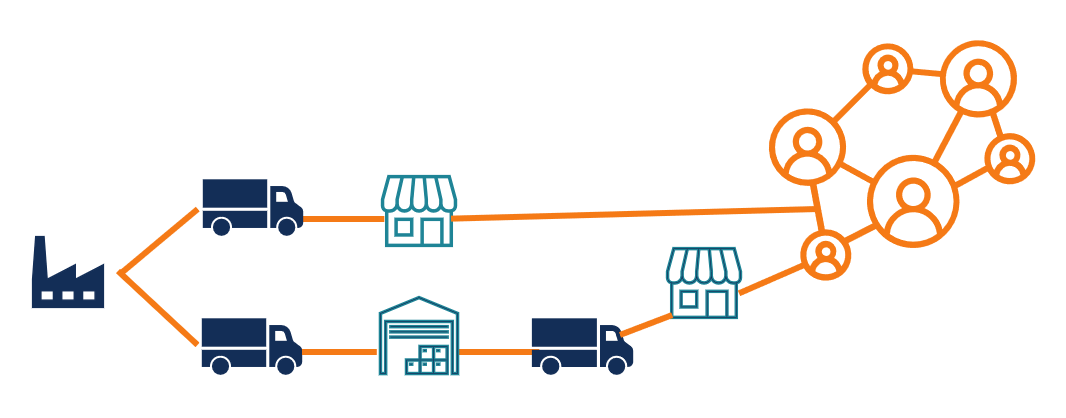
Products may not be reaching customers efficiently, distribution channels may be underdeveloped, or existing networks may not cover all potential markets. These situations often create opportunities for businesses willing to strengthen distribution capabilities.
Understanding where products are unavailable can provide insight into markets with untapped potential.
Companies that assess distribution performance regularly are often able to identify areas for expansion without significantly altering their business models.
Improved accessibility frequently contributes to stronger commercial performance.
Competitor Analysis Can Highlight Untapped Areas
Competitors can provide valuable information about what is happening within a market.
While businesses often focus on competing directly, competitor analysis can also reveal opportunities that others have not pursued. Markets with limited competition may indicate untapped demand, while heavily concentrated segments may encourage businesses to explore alternative customer groups.
Businesses that evaluate competitor activities thoughtfully are often better equipped to identify niches that remain underserved.
These opportunities may exist within product categories, locations, industries, or customer segments.
Strategic analysis frequently uncovers areas where businesses can create value more effectively.
Data Supports Better Opportunity Identification
Businesses now have access to a wide range of information sources that can improve decision-making.
Sales data, customer insights, industry reports, demographic trends, and market analytics all contribute to a better understanding of market conditions. Organizations that use these insights effectively are often able to identify growth opportunities earlier.
Data helps businesses move beyond assumptions.
Instead of relying solely on instinct, organizations can evaluate evidence and make decisions supported by measurable indicators.
This approach frequently reduces uncertainty while improving resource allocation.
Market Intelligence Strengthens Discovery Efforts
Underserved opportunities are not always obvious.
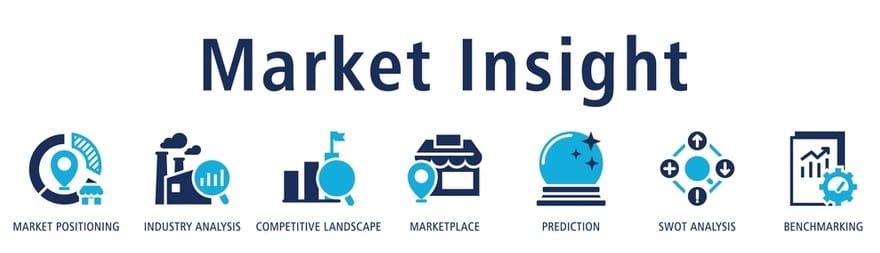
They often require deeper analysis, local knowledge, and a clear understanding of commercial environments. Businesses that invest in market intelligence are generally better positioned to uncover opportunities that competitors may not immediately recognize.
Organizations frequently work with Austine & Partners to strengthen market understanding, evaluate commercial potential, and identify opportunities aligned with long-term growth objectives.
Access to practical insight often allows businesses to move more confidently and make better-informed decisions.
Knowledge can become one of the most valuable tools for uncovering hidden opportunities.
Growth Sometimes Exists Closer Than Expected
Businesses often look externally for growth opportunities while overlooking possibilities within their existing footprint.
Current customers may have unmet needs. Existing markets may contain regions with increasing demand. Industries already being served may present opportunities for deeper engagement.
Companies that examine their markets more carefully often discover opportunities that require fewer resources than entering entirely new territories.
This approach allows organizations to maximize existing strengths while pursuing sustainable growth.
Sometimes the most promising opportunities are already within reach.
Looking Ahead
Underserved opportunities can provide businesses with practical pathways for growth without requiring major market shifts or large-scale expansion efforts. By understanding customers, evaluating distribution gaps, monitoring changing behaviors, and leveraging market intelligence, organizations can uncover opportunities that support long-term success.
Businesses that consistently assess their markets are often better positioned to identify areas where demand exists but supply remains limited. Through commercial insight, market intelligence, and business development expertise, Austine & Partners helps organizations uncover opportunities and develop strategies that contribute to sustainable growth.
For businesses seeking deeper market understanding and practical growth opportunities, connect with the Austine & Partners team at: https://austineandpartners.com/contact/