






A product can perform strongly in one market and struggle after entering another. This does not always mean there is something wrong with the product. In many cases, the difficulty comes from differences in customer needs, pricing, distribution or the way the product has been positioned.
Businesses entering new markets need to understand that previous success cannot simply be transferred from one location to another. Each market has its own commercial conditions, and products often need to be introduced with those conditions in mind.
Understanding where the problem lies is the first step towards improving performance.
The Product May Not Solve a Local Need
A successful product usually responds to a clear customer need.
That need may be important in one market but less relevant elsewhere. Customers in the new location might already have an affordable alternative or may simply place greater value on a different feature.
This is why businesses need to understand the intended customer before committing heavily to a market.
For example, an Information Technology (IT) product built around a particular business challenge may struggle if companies in the new market operate differently. The technology may work perfectly, but its value to the customer may be less obvious.
The same principle applies across consumer and business markets.
Pricing Can Change the Product’s Position
A product that is affordable in its home market can enter another country at a very different price.
Import costs, transportation and local distribution can increase the final amount paid by customers. Once this happens, the product may begin competing with brands in a higher price category.
Customers then judge it differently.
A Fast Moving Consumer Goods (FMCG) brand positioned for everyday consumption may struggle if its final retail price places it beyond the budget of its intended customer.
Businesses should therefore examine the price customers actually see, not only the original product price.
Availability Can Be the Real Problem
Customers cannot buy products they cannot easily find.
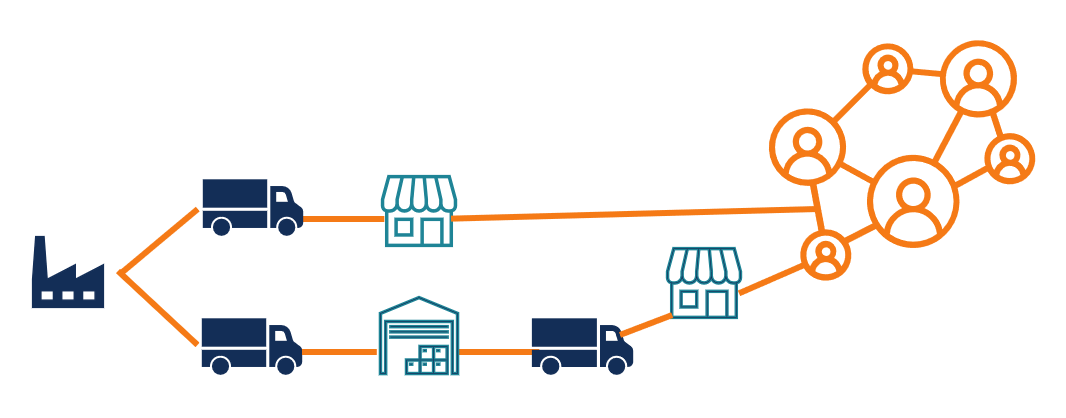
Sometimes weak sales are interpreted as weak demand when the real problem is limited availability. A product may be present in the country but absent from the locations where its target customers normally shop.
This makes distribution an important part of diagnosing poor market performance.
Businesses should examine where products are being sold, how often stock is available and whether distribution reaches the intended customer.
Austine & Partners works with manufacturers and product owners seeking market access across West Africa, where understanding local distribution channels can be essential to turning market presence into actual product availability.
The Message May Not Connect With Customers
How a product is presented can influence how customers understand it.
A message that works in one country may not communicate the same value elsewhere. Customers may use different language to describe their needs or place importance on different product benefits.
Businesses should pay attention to how local customers respond to the product’s positioning.
This does not always require changing the product itself. Sometimes the business needs to explain its value in a way that makes more sense within the new market.
Local Competition May Be Stronger Than Expected
Entering a new market means competing with businesses that may already understand the customer deeply.
Local companies can have established relationships, familiar brands and products designed around local purchasing habits. International businesses sometimes underestimate these advantages.
A new entrant should study what customers currently use and why they continue choosing it.
The objective is not simply to determine who the competitors are. Businesses need to understand what those competitors already provide that customers value.
This can reveal where a new product needs a clearer advantage.
The Sales Channel May Not Fit the Product
Products can struggle when businesses choose a sales channel based on assumptions from another market.
A company accustomed to selling directly may enter a market where customers prefer purchasing through established dealers. A consumer brand may focus heavily on online sales even though its intended customers mainly buy through physical stores.
The route to market should reflect local purchasing behaviour.
Businesses should examine where similar products are bought before deciding how their own product will reach customers.
Give the Market Enough Time
Poor early sales do not always mean that market entry has failed.
New products often need time to gain recognition, particularly when customers are unfamiliar with the brand. Distribution may also take time to expand beyond the first group of sales locations.
Businesses should monitor performance carefully before drawing conclusions.
However, patience should be supported by evidence. If customers consistently reject the price or distributors struggle to move the product, waiting longer without making changes is unlikely to solve the problem.
The important task is distinguishing between a market that needs time and a strategy that needs adjustment.
Diagnose Before You Withdraw
When a product struggles, immediately leaving the market can mean abandoning an opportunity that could have been corrected.
Businesses should first identify where performance is breaking down. The issue may be demand, price, availability, positioning or the chosen sales channel.
Once the problem is understood, the company can decide whether an adjustment is commercially worthwhile.
For companies operating across West Africa, Austine & Partners provides market access and commercial support that can help businesses understand local conditions and develop more suitable routes to customers.
A product’s performance should be judged within the reality of the market it has entered.
Turning Poor Performance Into Better Decisions
Success in one country is useful evidence that a product can work, but it does not guarantee success everywhere. New markets require businesses to understand customers and the commercial environment surrounding them.
When sales fall below expectations, the most useful response is to find the reason before making the next decision.
Sometimes the product needs a different price. Sometimes it needs wider availability or stronger positioning. In other cases, the market may simply not be the right fit.
Understanding that difference can prevent businesses from spending more money on the wrong solution.
For practical market access and distribution support across West Africa, connect with Austine & Partners: