




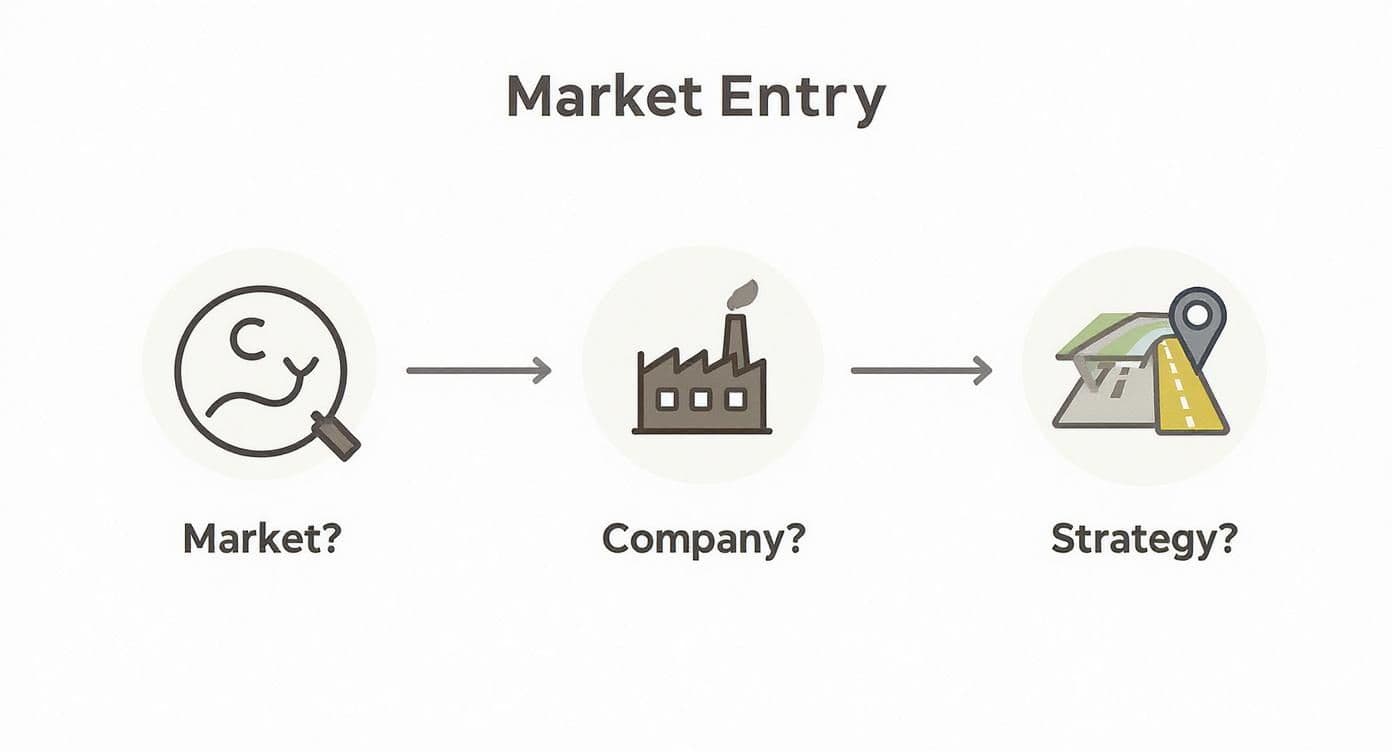


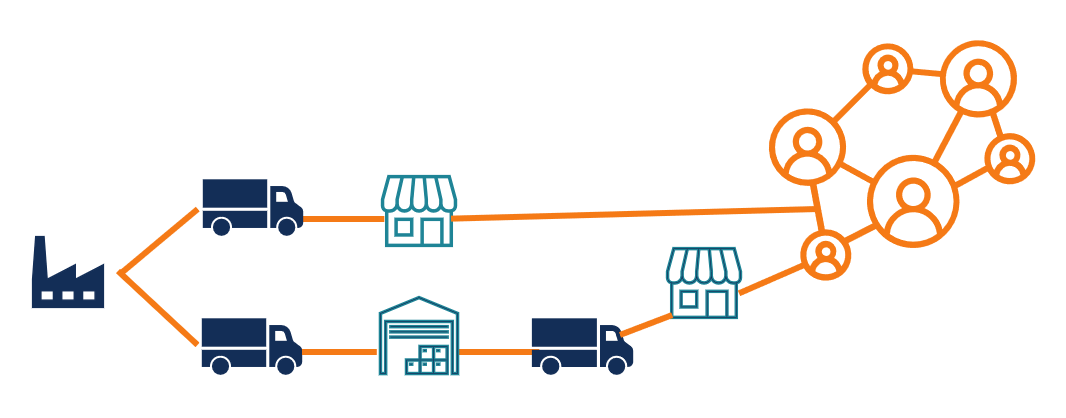
A business entering a market for the first time may have a strong product but no established way to get it to customers. Without the right distribution network, products can remain concentrated in a few locations, reach buyers inconsistently or fail to gain enough market presence.
Building distribution from the ground up requires more than finding companies willing to resell a product. Businesses need to understand where their customers buy, which channels serve those customers and how products can move through the market efficiently.
Start With the Target Customer
Distribution planning should begin with the customer, not the distributor.
A business needs to know who is expected to buy the product and where those purchases normally happen. This determines which channels deserve attention.
A Fast Moving Consumer Goods (FMCG) brand may need access to wholesalers and retail outlets. An industrial equipment supplier may depend on dealers that already serve factories or construction businesses. A healthcare company may require channels experienced in supplying pharmacies or medical facilities.
Once the customer is clear, the distribution structure becomes easier to design.
Understand How the Local Market Moves Products
Distribution systems differ between markets.
A model that works successfully in one country may not fit another because retailers, wholesalers and other intermediaries can play different roles. Businesses should understand this structure before deciding how their products will move.
This includes identifying which channels control access to important customer groups.
Local knowledge is particularly valuable at this stage because a market may look straightforward from outside while operating very differently in practice.
Choose Coverage Based on the Opportunity
A new entrant does not always need to distribute everywhere immediately.
Trying to cover an entire market from the beginning can stretch inventory and make performance difficult to manage. It may be more practical to begin in locations where customer demand appears strongest.
The business can then learn how the product performs before extending distribution.
This approach also provides evidence about which locations deserve additional investment.
Select Partners That Reach the Right Buyers
A distributor’s size should not be the main reason for choosing it.
The more important question is whether its network reaches the customers the product needs. A distributor may have extensive coverage but little presence within the specific channel relevant to the new brand.
Businesses should examine the partner’s existing customer base and experience within the sector.
For companies entering West Africa, Austine & Partners supports market access and distribution by connecting product owners with commercial channels suited to their objectives. This allows distribution planning to reflect how the local market actually operates.
Make Product Availability Consistent
Getting products into stores or sales channels once is not enough.
Customers need to be able to find the product again when they return. If supply becomes inconsistent, retailers may give the space to another brand and customers may choose alternatives.
Businesses should therefore consider how stock will move through the network after the first delivery.
This requires coordination between supply and distribution so that product availability can be maintained as demand develops.
Give Distribution Partners the Right Information
Partners need to understand what they are selling.
Product information should be clear enough for distributors and sellers to explain its purpose to customers. This becomes particularly important when the product is unfamiliar or requires technical knowledge.
Industrial equipment, technology solutions and certain healthcare products may require more detailed guidance than everyday consumer goods.
When partners understand the product, they are better equipped to represent it correctly in the market.
Measure Where Products Are Actually Moving
A distribution network should produce information as well as sales.
Businesses need to know which locations are performing and where products are moving slowly. This can reveal differences in customer demand that were not obvious during initial planning.
The information can then guide future distribution decisions.
Instead of expanding everywhere at once, the company can strengthen coverage in areas where the market is responding and reconsider channels that are producing limited results.
Expand the Network With Demand
Distribution should develop alongside the market.
Once the business understands where customers are buying and which partners are performing, it can extend coverage with greater confidence. New territories can be added based on evidence instead of assumption.
This creates a more controlled path to wider market presence.
Austine & Partners works with manufacturers and product owners seeking to establish and strengthen distribution channels across West Africa, connecting market access with the practical movement of products to customers.
From Market Entry to Market Presence
Entering a country and building a presence within it are not the same thing. A product may officially be available while remaining difficult for customers to find.
An effective distribution network closes that gap. It connects the product with the places where customers already buy and creates a structure that can grow as demand develops.
Businesses building distribution in unfamiliar markets should therefore focus first on reaching the right customers, then expand as the market provides evidence for growth.
To explore distribution opportunities and routes to market across West Africa, connect with Austine & Partners: https://austineandpartners.com/contact/