





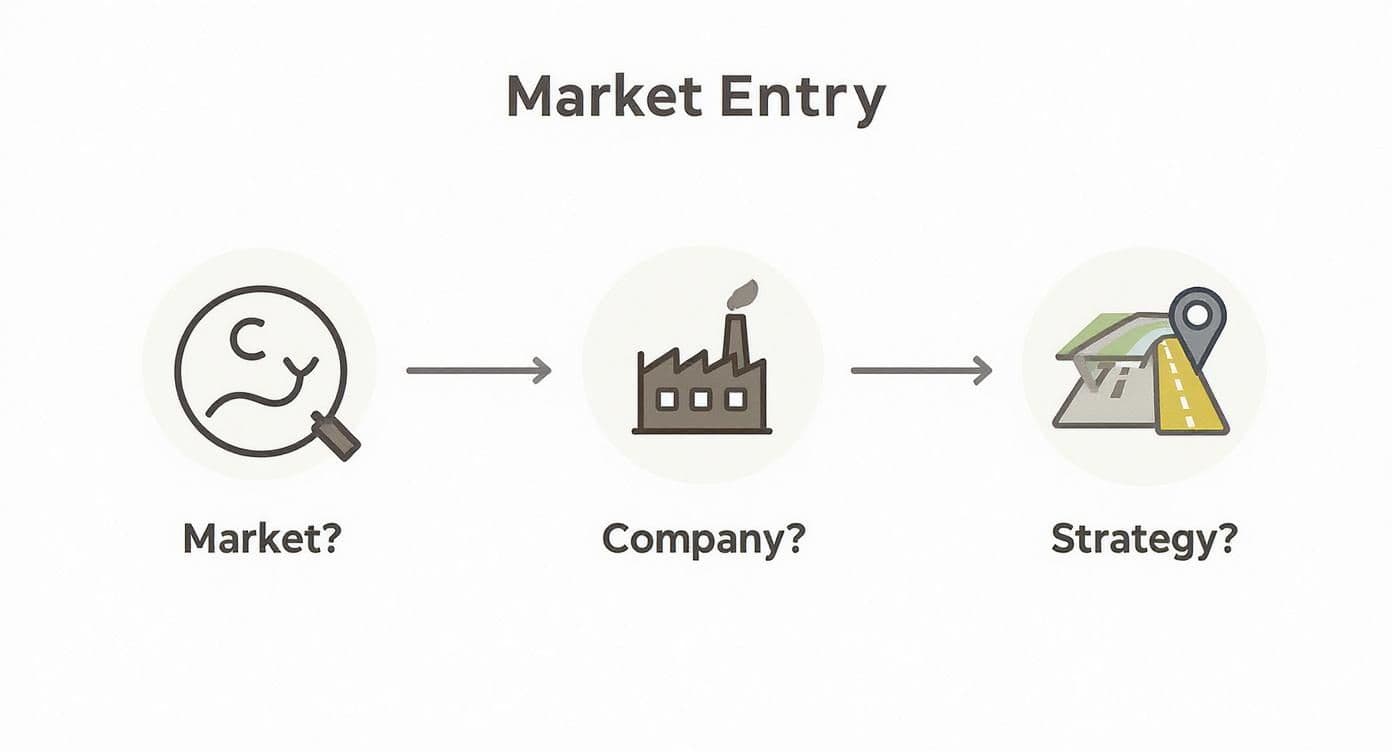


Technology companies looking to expand into new markets often focus on product development, customer acquisition, and marketing. While these areas remain important, strategic partnerships frequently play an equally significant role in determining whether expansion efforts succeed. Many of the most successful technology businesses have accelerated growth by working with partners who provide market access, local expertise, commercial relationships, and operational support
Expansion can be challenging, particularly when entering unfamiliar markets. New customer expectations and regulatory requirements often create obstacles that are difficult to navigate alone. Strategic partnerships help bridge these gaps by providing resources and knowledge that strengthen market entry efforts.
As technology markets continue evolving, partnerships are becoming an increasingly important component of sustainable growth strategies.
Growth Often Happens Through Collaboration
Many technology companies begin with a strong product or innovative solution.
However, growth rarely depends on innovation alone. Businesses often need access to networks, customers, and commercial opportunities that take time to develop independently.
Strategic partnerships allow organizations to leverage existing relationships while creating pathways to faster market penetration. Rather than building every capability internally, businesses can work with partners who complement their strengths and help accelerate expansion.
This collaborative approach often improves efficiency while reducing the time required to establish a presence in new markets.
Local Expertise Creates Competitive Advantages
Entering a new market without local knowledge can create unnecessary challenges because consumer expectations, purchasing behaviors, and business practices often differ between regions. Technology companies that understand these differences are generally better positioned to adapt their offerings and communicate effectively with potential customers.
Local partners can provide valuable insight into market dynamics, helping businesses identify opportunities and avoid common mistakes.
This knowledge often supports stronger decision-making while improving the likelihood of successful market entry.
In many cases, local expertise becomes one of the most valuable assets a partnership can provide.
Strategic Partnerships Improve Credibility
Trust plays an important role in technology adoption.
Customers are often more comfortable engaging with companies that demonstrate credibility within their market. Strategic partnerships can help strengthen that credibility by associating businesses with trusted organizations, established industry participants, or respected commercial networks.
This increased trust can make it easier for technology companies to attract customers and develop business relationships.
Partnerships also provide opportunities for shared visibility, which can help businesses build awareness more efficiently. For companies entering new markets, credibility often influences growth just as much as product quality.
Market Access Is Easier With the Right Relationships
Many expansion challenges are connected to access.
Technology businesses may have strong solutions but struggle to reach decision-makers, establish commercial relationships, or identify the right opportunities. Strategic partnerships can help overcome these barriers by opening doors that may otherwise remain difficult to access.
Strong networks often create opportunities that are not immediately visible through traditional sales efforts.
Businesses that invest in relationship-building frequently discover that market access becomes more achievable when supported by the right partners.
This is where organizations such as Austine & Partners help businesses identify opportunities, strengthen commercial connections, and develop market entry strategies that support sustainable growth.
Partnerships Can Reduce Expansion Risks
Expansion naturally involves uncertainty.
Companies entering unfamiliar markets may face challenges related to customer acquisition, operational planning, regulatory requirements, or competitive positioning. While these risks cannot be eliminated completely, strategic partnerships often help reduce exposure by providing access to experience and local insight.
Partners can help businesses navigate challenges more effectively while contributing perspectives that strengthen decision-making.
This collaborative approach allows companies to move forward with greater confidence.
Risk reduction is often one of the most overlooked benefits of strategic partnerships.
Shared Objectives Strengthen Long-Term Success
The most effective partnerships are built around shared goals.
When organizations align on growth objectives, customer success, and long-term value creation, partnerships often become more productive and sustainable.
Clear expectations, open communication, and mutual commitment help create stronger working relationships.
Businesses that view partnerships as long-term investments rather than short-term arrangements frequently achieve better outcomes.
These relationships can continue generating value long after initial market entry efforts are complete.
Technology Ecosystems Continue to Evolve
The technology sector increasingly operates through interconnected ecosystems.
Software providers, infrastructure companies, service organizations, industry associations, and commercial partners often work together to deliver value to customers. Businesses that actively participate in these ecosystems are frequently better positioned to identify opportunities and respond to market changes.
Partnerships help technology companies become part of these broader networks.
This participation can support growth while creating access to additional resources and expertise.
As ecosystems expand, collaboration continues to become more important.
Strong Partnerships Support Scalability
Growth creates new demands on businesses.
As technology companies attract more customers and enter additional markets, they often require greater operational capacity, stronger networks, and improved market support. Strategic partnerships help organizations scale more effectively by providing resources that support expansion.
Rather than attempting to manage every challenge independently, businesses can leverage partnerships to strengthen their capabilities.
This approach often creates more sustainable growth while improving operational efficiency.
Scalability becomes easier when organizations build strong foundations through collaboration.
Beyond Market Entry
Strategic partnerships are not only valuable during market entry. They often continue supporting businesses throughout their growth journey.
The strongest partnerships contribute to innovation, customer acquisition, operational improvement, and long-term commercial success. As markets evolve, these relationships help businesses remain adaptable while identifying new opportunities for growth.
Companies that invest in meaningful partnerships frequently create advantages that extend far beyond immediate expansion goals.
The Future Is Collaborative
Technology expansion is becoming increasingly dependent on relationships, collaboration, and ecosystem participation. Businesses that combine strong products with strategic partnerships are often better positioned to navigate new markets and achieve sustainable growth.
As organizations pursue expansion opportunities, access to market knowledge, commercial networks, and trusted relationships can make a meaningful difference. Through market access expertise, business development support, and strategic guidance, Austine & Partners helps technology companies build the partnerships that support long-term success.
To discuss growth opportunities and partnership strategies, connect with the Austine & Partners team at: https://austineandpartners.com/contact/