





Market access has become increasingly important for businesses seeking sustainable growth because reaching new customers often depends on more than simply having a strong product or service. Companies today operate in highly competitive environments where expansion requires local knowledge, commercial relationships, reliable distribution systems, and an understanding of how different markets function.
Here are reasons why market access matters more than ever for growing businesses:
Market Access Goes Beyond Entering a New Market
Many people associate market access with international expansion, but its scope is much broader.
Market access involves the strategies, relationships, and systems that allow businesses to reach customers efficiently and operate successfully within a particular environment. It can apply to organizations entering a new country, companies expanding into a different region, or businesses seeking to strengthen their presence within existing markets.
The objective is not simply to establish a presence. It is to create a pathway that supports sustainable growth and enables businesses to compete effectively.
Companies that understand this distinction are often better positioned to make informed decisions about expansion and investment.
Growth Opportunities Depend on Accessibility
Businesses may identify promising opportunities, but without access those opportunities can remain difficult to capture.
Products need distribution channels. Services require visibility. Investments often depend on local networks and commercial relationships. Accessibility influences how quickly businesses can establish credibility, attract customers, and generate results.
Organizations that prioritize market access strategies are often able to reduce barriers that might otherwise slow growth.
This is one reason many companies work with experienced organizations such as Austine & Partners to strengthen market entry efforts, identify commercial opportunities, and develop strategies that support long-term expansion.
Access frequently determines how effectively businesses convert opportunities into meaningful outcomes.
Local Knowledge Strengthens Decision-Making
Markets differ in many ways. Consumer expectations, purchasing behavior, and competitive dynamics can vary significantly between regions. Companies that enter unfamiliar markets without understanding these factors may encounter challenges that affect performance.
Local knowledge provides context that data alone cannot always reveal, making businesses that understand how markets operate better equipped to adapt strategies, build relationships, and identify opportunities aligned with their objectives. This understanding supports stronger decision-making while reducing uncertainty.
Commercial Relationships Influence Success
Relationships play an important role in business growth. Distributors, suppliers, retailers, investors, and industry stakeholders can all contribute to expansion efforts. These relationships often create access to opportunities that may otherwise take years to establish independently.
Businesses that invest in relationship-building frequently gain advantages that support both market entry and long-term growth.
Strong commercial networks can accelerate expansion efforts. Over time, these relationships become valuable assets that contribute to sustainable business development.
Distribution Remains a Key Component of Market Access
A business may have demand for its products, but demand alone does not guarantee success.
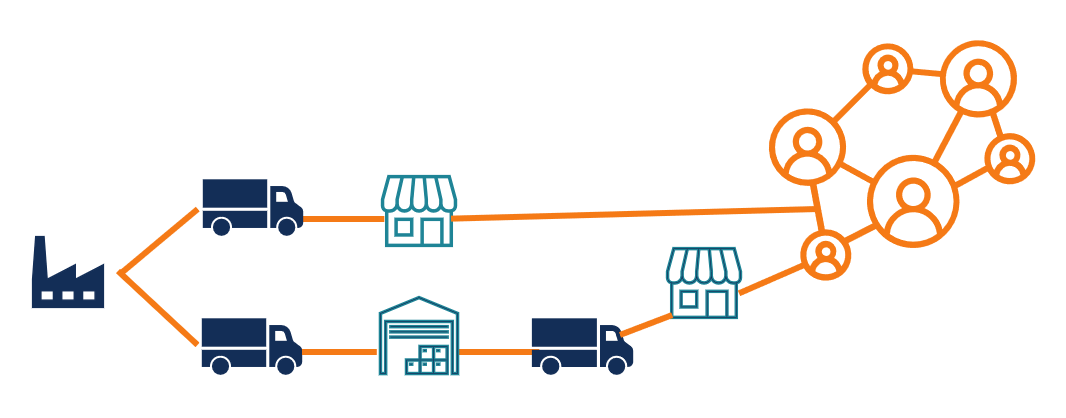
Customers expect accessibility. They want products and services to be available when and where they need them. Effective distribution systems help businesses meet these expectations while supporting stronger customer experiences.
Distribution also influences operational efficiency and commercial performance.
Companies that build reliable distribution networks are often better positioned to maintain consistency, strengthen customer trust, and improve market reach.
This makes distribution an essential part of any market access strategy.
Market Access Supports Competitive Advantage
Competition continues to increase across nearly every industry.
Businesses are no longer competing solely on product quality or pricing. They are competing on availability, responsiveness, customer experience, and their ability to adapt to changing market conditions.
Organizations with stronger market access capabilities often have an advantage because they can respond more effectively to customer needs and commercial opportunities.
This flexibility allows businesses to identify trends earlier, establish relationships faster, and position themselves more strategically within their industries.
Market access is increasingly becoming a differentiator rather than simply an operational requirement.
Expansion Requires More Than Ambition
Many businesses aspire to grow, but growth requires preparation.
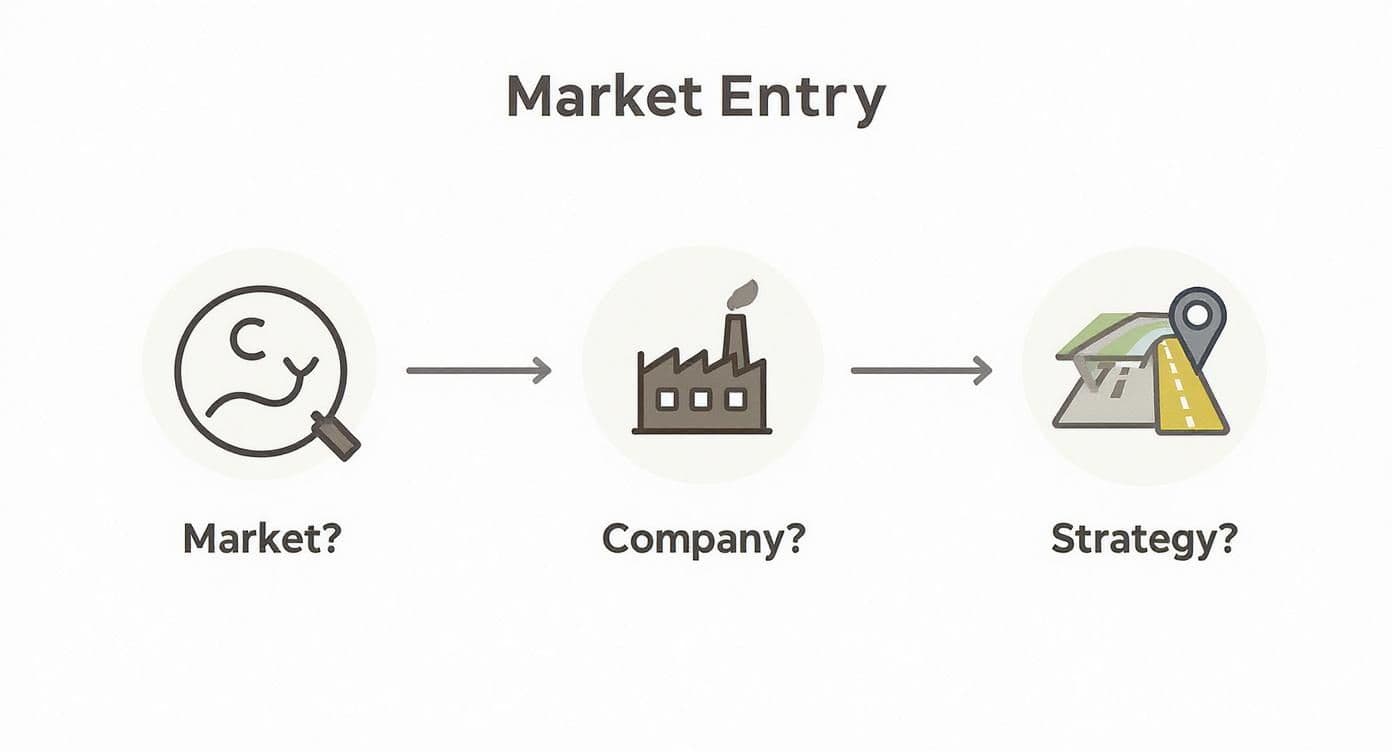
Entering new markets, strengthening operations, and identifying opportunities all require research, planning, and execution. Companies that approach expansion strategically are often more successful than those driven solely by ambition.
Understanding market dynamics, evaluating risks, and building the right partnerships all contribute to stronger outcomes.
Businesses that invest in these areas often create stronger foundations for future growth.
This preparation becomes particularly valuable when operating in emerging markets or unfamiliar environments.
Why Businesses Are Prioritizing Market Access
Organizations are increasingly recognizing that growth opportunities are not limited by demand alone.
In many cases, growth depends on the ability to navigate markets effectively, establish strong relationships, and create systems that support scalability. Market access helps businesses bridge the gap between opportunity and execution.
Companies frequently engage Austine & Partners to strengthen sourcing initiatives, improve market understanding, and support business expansion strategies designed for sustainable growth.
As businesses continue seeking opportunities beyond their traditional boundaries, market access is expected to remain a significant driver of commercial success.
Looking Beyond Expansion
Market access is ultimately about creating opportunities that businesses can pursue with confidence. It helps organizations understand where growth exists, how to reach customers, and what systems are needed to support long-term success.
Businesses that invest in market access often improve decision-making, strengthen commercial relationships, and position themselves more effectively within competitive environments. Through market intelligence, business development expertise, and expansion support, Austine & Partners helps organizations navigate growth opportunities while building stronger foundations for the future.
To explore market access opportunities and develop strategies that support sustainable business growth, connect with the Austine & Partners team at: https://austineandpartners.com/contact/