






Finding suppliers across borders is no longer difficult. Online directories, trade platforms and industry networks can connect businesses with manufacturers in different parts of the world within minutes. The real challenge is finding a supplier that can meet the needs of the business consistently.
A supplier affects more than purchasing. Product availability, customer satisfaction and daily operations can all depend on whether orders arrive as expected. For businesses sourcing internationally, the search should therefore focus on suitability, not simply finding someone willing to sell.
Begin With a Clear Product Requirement
A good supplier search starts with knowing exactly what the business needs.
Before approaching manufacturers, buyers should define the product specification, expected quantity and required delivery period. If these details are unclear, comparing potential suppliers becomes difficult because each company may be quoting for something different.
This preparation is especially important when sourcing industrial equipment, healthcare products or Fast Moving Consumer Goods (FMCG), where specifications can directly affect whether a product is suitable for its intended market.
Clear requirements also make conversations with potential suppliers more productive from the beginning.
Search Where the Industry Operates
A broad internet search may produce hundreds of companies, but quantity does not make the search effective.
Businesses can narrow their options by looking within established industry channels. Trade exhibitions, manufacturer associations, professional networks and recognised sourcing platforms can provide useful starting points.
The appropriate channel will depend on the product. A company looking for industrial machinery may need a different sourcing network from a fashion retailer searching for garment manufacturers.
The objective is to search within places where relevant suppliers can be identified and assessed.
Location Can Affect the Entire Transaction
The country a supplier operates from can influence much more than the purchase price.
Shipping time, trade requirements and access to raw materials can affect how smoothly products reach their destination. Businesses should consider these factors when deciding where to source.
A supplier located farther away may offer an attractive factory price but create additional transportation costs. Another supplier may charge more for the product while offering easier access to the destination market.
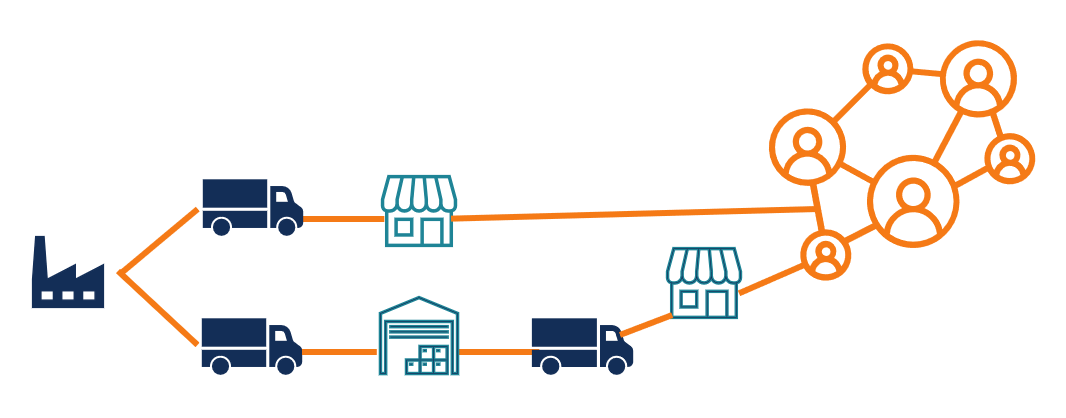
For this reason, supplier selection should consider the complete journey from production to delivery.
Create a Shortlist Before Making Contact
Businesses do not need to hold detailed discussions with every supplier they find.
An initial review can remove companies that clearly do not match the requirement. Their product range, manufacturing experience and target markets can provide useful clues about whether further discussion is worthwhile.
The remaining suppliers can then form a manageable shortlist.
At this stage, Austine & Partners can support businesses seeking products and supply opportunities across international markets. Its sourcing work connects product requirements with suitable commercial channels while considering how those products will eventually reach markets across West Africa.
This broader view is important because sourcing decisions can affect distribution long after the purchase has been completed.
Ask Questions That Reveal Capability
Once a shortlist has been created, conversations should move beyond requesting a price.
Buyers need to understand what each supplier can actually provide. Questions about production capacity, order quantities and delivery periods can reveal whether the company can handle the intended transaction.
The supplier’s experience with similar products also matters. Where technical or regulated goods are involved, businesses may need additional information about manufacturing standards and relevant documentation.
The quality of the answers can help narrow the shortlist further.
Compare the Full Cost of Sourcing
A quotation does not always show what a product will ultimately cost the buyer.
Transportation, duties and other expenses associated with moving the order can affect the final amount. Businesses should understand these costs before deciding that one supplier offers better value than another.
Payment terms deserve similar attention. The timing and structure of payments can affect cash flow, particularly when large quantities are being purchased.
Comparing suppliers on the full transaction provides a more useful picture than comparing unit prices alone.
Consider the Relationship Beyond One Order
The right supplier should fit the direction of the business.
A small first order may eventually become regular purchasing as demand grows. Businesses should therefore consider whether a potential supplier has the capacity to support future requirements.
This does not mean every supplier relationship needs to become permanent. It means the buyer should consider what happens if the product performs well and larger quantities are needed.
A supplier that can support that progression may offer greater value over time.
From Search to Supply
International supplier sourcing should not end with finding a company that manufactures the required product. Businesses need to determine whether that supplier fits their commercial needs and can support the journey from purchase to market.
A focused search makes this easier. When businesses understand their requirements, use appropriate sourcing channels and compare potential suppliers carefully, they can approach international purchasing with greater confidence.
For businesses exploring international sourcing opportunities, Austine & Partners provides sourcing and market access support designed around the realities of supplying products to West African markets.
Explore sourcing opportunities with Austine & Partners: https://austineandpartners.com/contact/