






International growth has become an important goal for many fashion brands seeking to expand their customer base and strengthen their market presence.
While digital platforms have made it easier to reach audiences across borders, sustainable growth in international markets still requires careful planning, strong execution, and a clear understanding of how different markets operate.
Fashion has become increasingly global. Consumers can discover brands from different countries through social media, online marketplaces, fashion publications, and digital communities.
This increased visibility has created opportunities for brands of all sizes to attract customers beyond their home markets.
However, visibility alone does not guarantee success. Expanding internationally requires brands to move beyond awareness and create systems that support long-term commercial growth.
Growth Starts With Understanding Market Potential
Not every international market will offer the same opportunities.
A fashion brand may receive online orders from multiple countries, but that does not automatically mean every location is ready for expansion. Some markets may have stronger demand, better distribution opportunities, or more favorable commercial conditions than others.
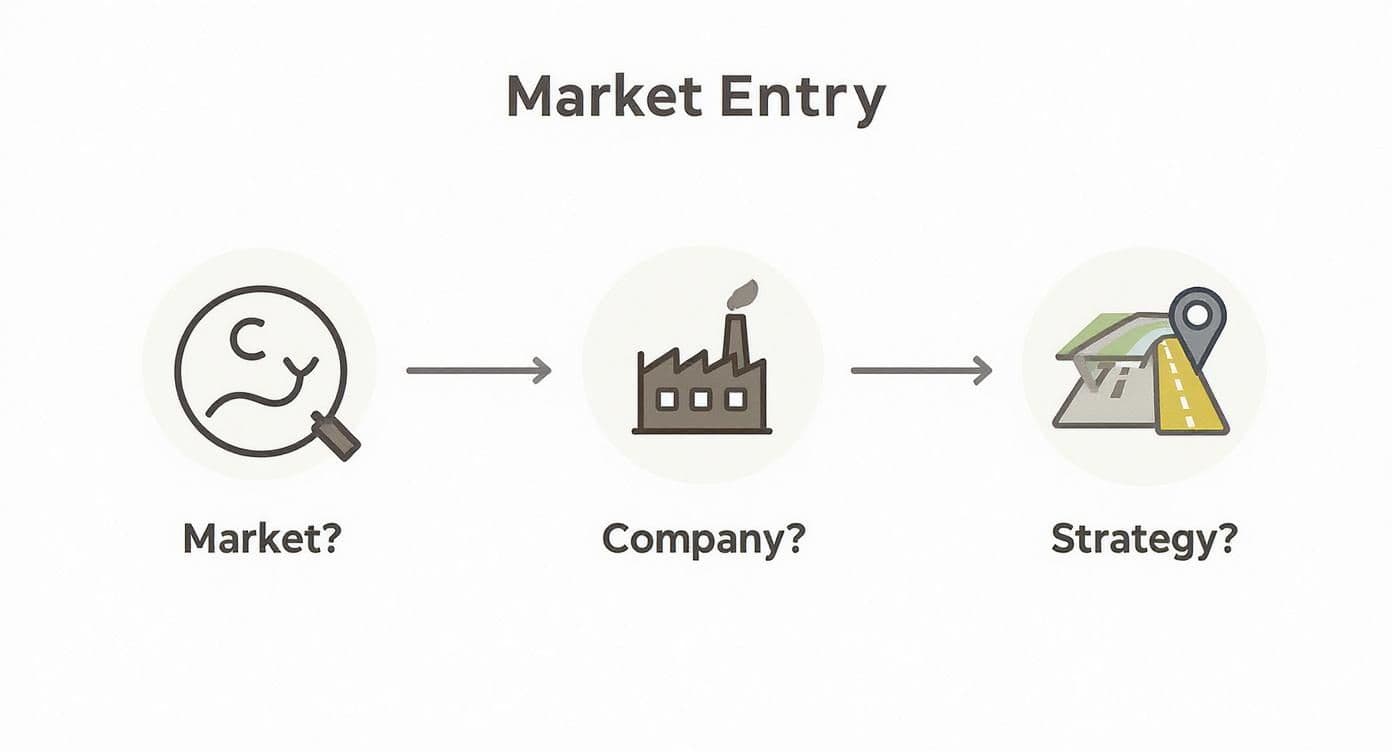
Successful brands typically begin by identifying markets where customer interest already exists. They look for signs of demand, evaluate purchasing behavior, and assess the competitive environment before making major investments.
This approach helps businesses focus resources where growth potential is strongest.
Brand Identity Becomes Even More Important
As fashion brands enter new markets, they often encounter consumers who are unfamiliar with their story.
This makes brand identity an important part of expansion. Customers need to understand what a brand represents, who it serves, and what makes it different from competitors.
Brands with a clear identity often find it easier to attract attention and build recognition in unfamiliar markets.
Consistency across products, messaging, and customer experiences helps create trust and strengthens brand perception.
A strong identity also makes it easier to adapt to new markets without losing what makes the brand unique.
Digital Presence Can Open New Doors
For many fashion businesses, international growth begins online.
Consumers often discover brands through websites, social platforms, digital campaigns, and online marketplaces before making purchasing decisions. As a result, a strong digital presence can help brands generate awareness and test market interest before committing to larger expansion efforts.
Digital channels also provide valuable insights into customer behavior. Brands can learn where interest is coming from, which products are attracting attention, and how consumers engage with their content.
These insights can help guide future expansion decisions while reducing uncertainty.
Distribution Influences Customer Experience
A fashion brand may successfully attract international customers, but growth can quickly slow if products are difficult to access.
Customers expect a purchasing experience that is convenient and reliable. Delays, limited availability, or complicated purchasing processes can affect customer satisfaction and reduce repeat business.
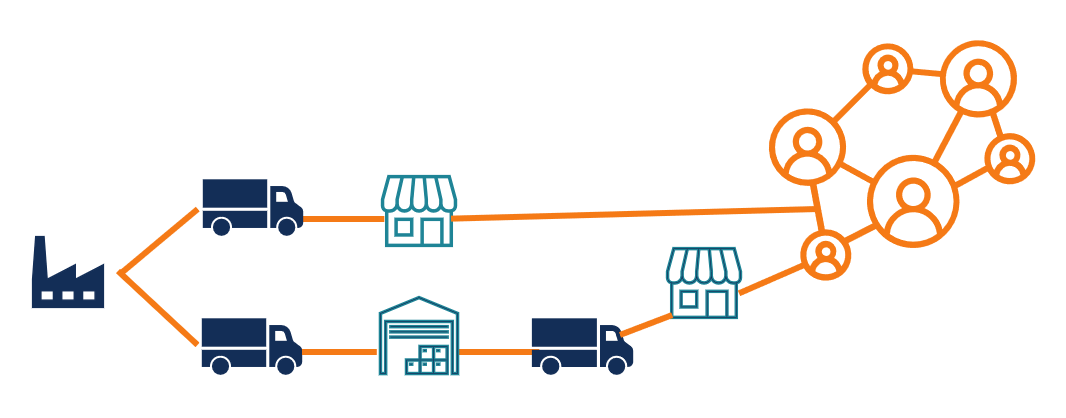
This is why successful international brands pay close attention to distribution. They develop systems that allow products to reach customers efficiently while maintaining quality and consistency.
Strong distribution not only improves accessibility but also contributes to stronger customer relationships over time.
Local Understanding Creates Competitive Advantages
International expansion often requires more than simply exporting products.
Consumer expectations, purchasing habits, and market conditions can differ significantly between regions. Brands that take time to understand local realities are often better positioned to connect with customers and build meaningful market presence.
Local understanding can influence decisions related to product selection, pricing, communication, and partnerships.
These adjustments do not require abandoning the brand’s identity. Instead, they help ensure that the brand remains relevant within different environments.
The brands that grow successfully across borders are often those that combine consistency with market awareness.
Partnerships Can Accelerate Growth
Many fashion brands achieve international success through collaboration.
Retail partners, distributors, commercial representatives, and industry stakeholders can help brands access markets more effectively. These relationships often provide valuable insight while helping businesses establish credibility more quickly.
Partnerships can also reduce some of the challenges associated with entering unfamiliar markets. Rather than building everything independently, brands can leverage existing networks and local expertise.
This is where experienced market access specialists such as Austine & Partners can play an important role. By helping brands identify opportunities, build commercial relationships, and strengthen expansion strategies, the company supports businesses pursuing growth beyond their existing markets.
Growth Requires Operational Readiness
International demand can create exciting opportunities, but growth can place additional pressure on operations.
Brands must be prepared to manage inventory, customer service, logistics, and supplier relationships as they expand. Businesses that grow faster than their operational capabilities may struggle to maintain customer satisfaction.
Operational readiness helps ensure that expansion supports long-term success rather than creating avoidable challenges.
Successful brands often view growth as a process that requires both commercial ambition and operational discipline.
Long-Term Success Depends on Relationships
Fashion is often viewed as a product-driven industry, yet relationships remain central to long-term success.
Customers, partners, retailers, suppliers, and industry stakeholders all contribute to a brand’s growth journey. Brands that invest in these relationships often build stronger foundations for expansion and improve their ability to adapt to changing market conditions.
Over time, these relationships become valuable assets that support both growth and resilience.
The strongest fashion brands frequently combine product excellence with meaningful connections across their business ecosystem.
Looking Beyond Market Entry
International growth should not be viewed as a destination. Instead, it is an ongoing process of learning, adapting, and strengthening market presence.
Brands that continue investing in customer understanding, operational improvement, and relationship-building are often better positioned to create sustainable growth. The objective is not simply to enter new markets but to establish a presence that can thrive over time.
Businesses that approach expansion with this mindset often create stronger outcomes than those focused solely on short-term gains.
The Next Chapter of Growth
The modern fashion industry offers opportunities that extend far beyond national borders. Brands that combine strong identity, effective distribution, local understanding, and strategic partnerships are often better equipped to succeed in international markets.
As fashion businesses explore new opportunities, access to the right expertise and commercial networks can make expansion more effective and sustainable. Through market access support, business development expertise, and commercial insight, Austine & Partners helps brands navigate international growth opportunities with greater confidence.
To explore new markets and strengthen your brand’s growth strategy, connect with the Austine & Partners team at: https://austineandpartners.com/contact/