





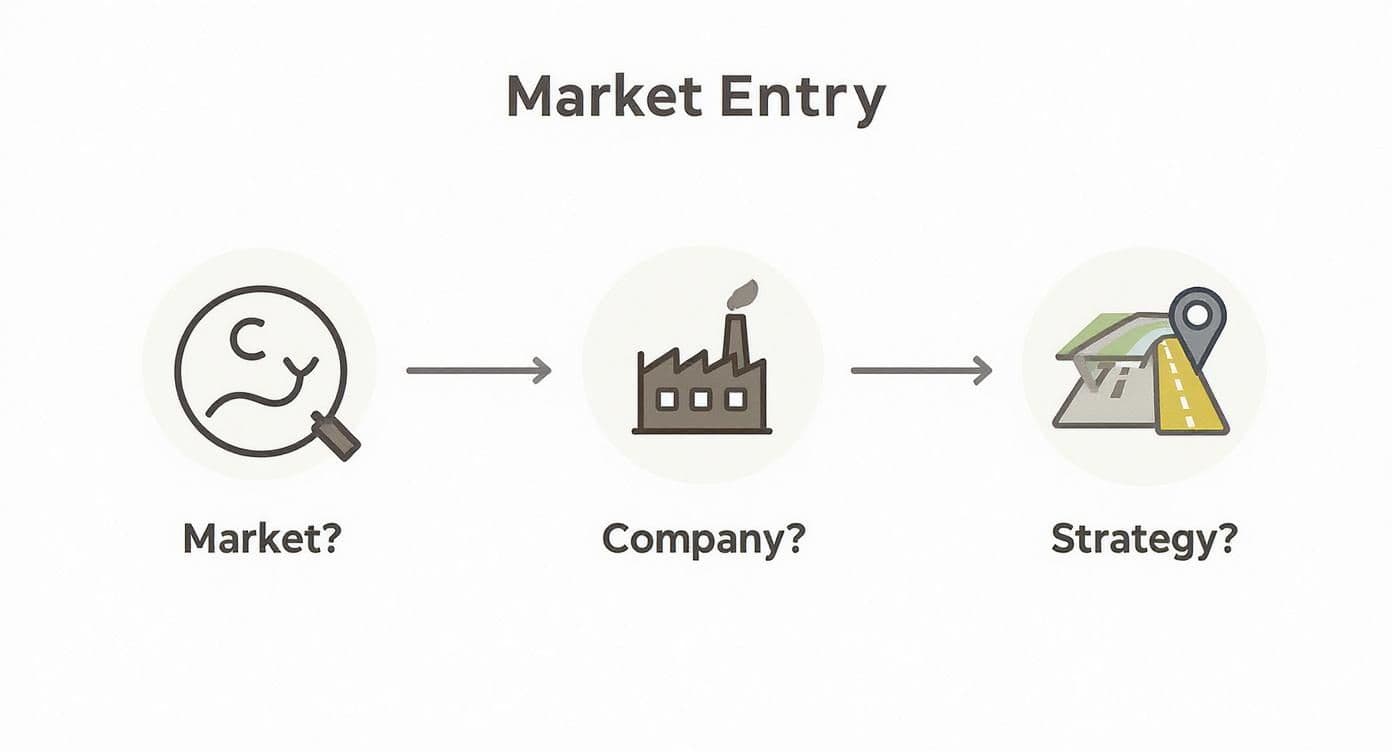


Emerging markets continue to attract attention from investors and businesses seeking new opportunities for growth. Expanding populations, rising consumer demand, infrastructure development, and increasing economic activity have made many emerging markets attractive destinations for companies looking beyond traditional business hubs. However, entering a new market successfully requires more than identifying potential opportunities.
Many organizations are drawn to the growth potential of emerging markets but underestimate the importance of preparation. A market that appears attractive on the surface may present challenges related to regulations, competition, infrastructure, or customer behavior. The businesses and investors that achieve the best results are often those that take time to understand the environment before committing resources.
Careful evaluation can help organizations reduce risk while improving their ability to capitalize on emerging opportunities.
Market Potential Should Be Evaluated Realistically
Growth projections often attract attention, but businesses should look beyond headline figures when assessing a market.
Population growth, consumer spending, industry demand, and economic activity all provide useful indicators, but they should be examined within the broader market context. Rapid growth does not automatically guarantee strong business outcomes.
Organizations should consider whether demand aligns with their products, services, or investment objectives. They should also evaluate whether the market can support sustainable growth over time.
The goal is not simply to find a growing market. It is to identify a market where meaningful opportunities exist for the specific business or investment being considered.
Understanding Local Demand Is Essential
One of the most common mistakes businesses make is assuming that customer behavior will mirror what they have experienced elsewhere.
Consumer preferences, purchasing habits, and decision-making processes often vary significantly between markets. What works well in one country may not generate the same results in another.
Businesses that invest time in understanding local demand are often better positioned to adapt their strategies and communicate effectively with potential customers.
This understanding helps organizations make informed decisions regarding pricing, positioning, and market entry approaches.
The more accurately a company understands customer needs, the stronger its chances of success.
Regulations Can Influence Market Entry
Regulatory environments play an important role in determining how easily businesses can operate within a market.
Licensing requirements, import regulations, industry standards, and compliance obligations can all affect expansion plans. Investors may also encounter rules relating to ownership structures, taxation, and investment approvals.
Organizations that understand these requirements early often avoid delays and unexpected costs.
Regulatory preparation allows businesses to move forward with greater confidence while reducing operational uncertainty.
Successful market entry frequently begins with a clear understanding of the rules that govern business activity.
Infrastructure Often Reveals Growth Potential
Infrastructure can provide valuable insight into a market’s future direction.
Transportation networks, utilities, logistics systems, ports, airports, and digital connectivity all influence business operations and investment opportunities. Markets experiencing significant infrastructure investment often attract increased commercial activity and economic development.
Businesses that evaluate infrastructure conditions can gain a better understanding of how products, services, and resources move within the market.
Infrastructure is not only about current capabilities. It can also provide signals regarding future growth opportunities.
This makes infrastructure assessment an important part of market evaluation.
Competition Should Be Studied Carefully
Competitive analysis helps businesses understand both opportunities and challenges.
A highly competitive market may indicate strong demand, while a market with limited competition may reveal untapped opportunities. However, neither situation automatically guarantees success.
Businesses should evaluate competitor strengths, market positioning, customer relationships, and distribution networks before making expansion decisions.
Understanding the competitive landscape helps organizations identify gaps, differentiate their offerings, and develop more effective strategies.
The objective is not to avoid competition but to understand how to compete effectively.
Local Partnerships Can Accelerate Progress
Entering an emerging market often becomes easier when supported by strong local relationships.
Partners can provide market knowledge, commercial connections, operational support, and insight into local business practices. These advantages help organizations navigate unfamiliar environments more effectively.
Strong partnerships also improve visibility and credibility within the market.
Many successful expansion efforts are supported by relationships that help businesses gain access to opportunities that may otherwise take years to develop independently.
Organizations frequently work with market access specialists such as Austine & Partners to strengthen these connections and improve their understanding of local opportunities.
Risk Assessment Should Be Ongoing
Every market presents opportunities and risks.
Economic fluctuations, policy changes, supply chain disruptions, and competitive pressures can influence business performance over time. Businesses that regularly assess risk are often better positioned to adapt when conditions change.
Risk assessment should not discourage expansion. Instead, it should support better decision-making by helping organizations prepare for potential challenges.
A balanced perspective allows businesses to pursue opportunities while managing uncertainty responsibly.
This approach often contributes to stronger long-term outcomes.
Access to Reliable Information Creates Advantages
Decisions are only as strong as the information supporting them.
Businesses and investors that rely on accurate market intelligence are often better equipped to identify opportunities and avoid costly mistakes. Reliable information helps organizations understand demand patterns, industry trends, regulatory conditions, and commercial dynamics.
Market intelligence also improves confidence when evaluating potential investments or expansion opportunities.
The strongest organizations frequently invest significant time in gathering information before entering new markets.
Knowledge often becomes one of the most valuable assets during expansion.
Success Requires More Than Opportunity
Many emerging markets offer exciting opportunities, but opportunity alone does not guarantee success.
Businesses must combine preparation, market knowledge, strong partnerships, and effective execution to achieve sustainable results. Organizations that approach expansion strategically are often better positioned to create long-term value.
Success typically comes from understanding how to operate within a market rather than simply recognizing its potential.
This distinction often separates successful expansion efforts from unsuccessful ones.
Looking Beyond the Opportunity
Emerging markets continue to create possibilities for businesses and investors seeking growth. However, the organizations that benefit most are usually those that take time to understand local conditions, evaluate opportunities carefully, and build strong foundations before expanding.
Market entry decisions become stronger when supported by reliable information, strategic relationships, and practical market insight. Through market access expertise, business development support, and commercial intelligence, Austine & Partners helps organizations identify opportunities and navigate emerging markets with greater confidence.
To discuss market entry opportunities and growth strategies, connect with the Austine & Partners team at: https://austineandpartners.com/contact/