





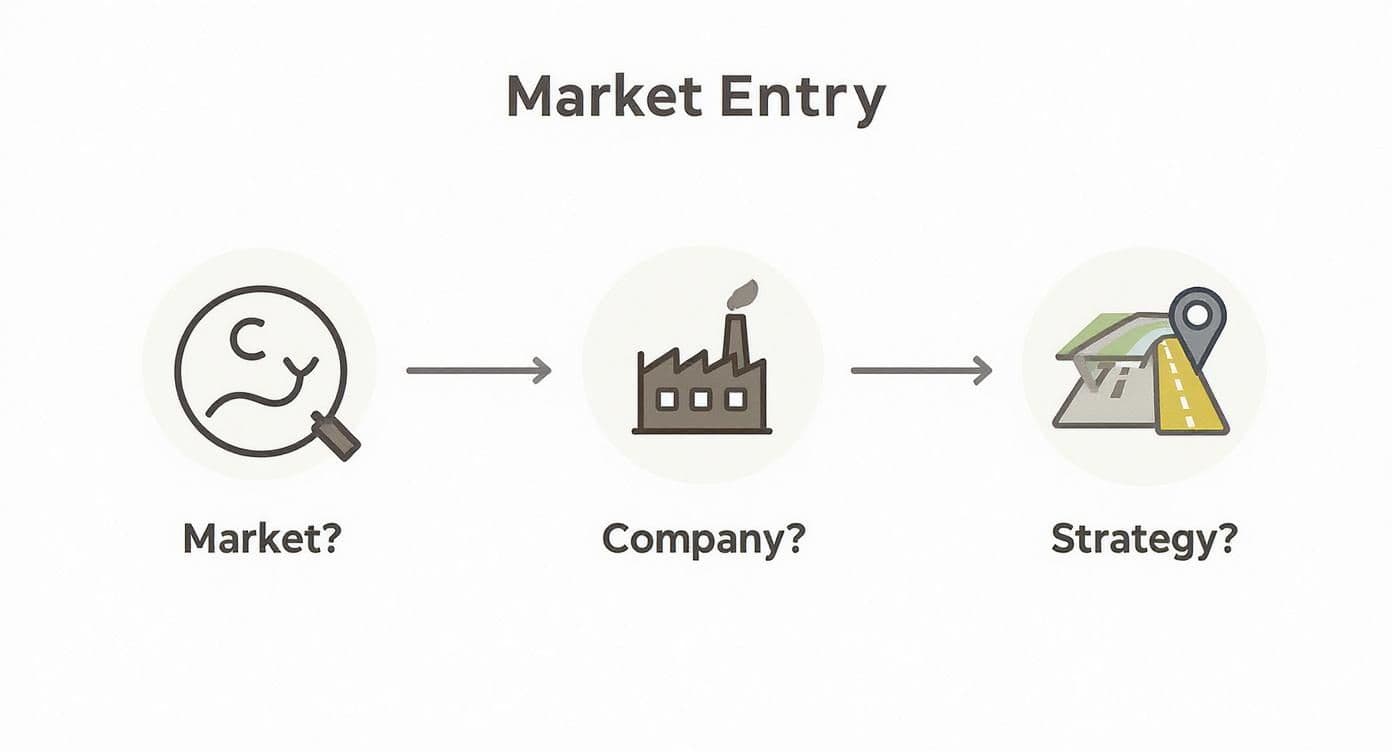


A successful healthcare distribution strategy ensures that healthcare products reach the right people, at the right time, and in the right condition. While product quality remains important, even the most effective medicine or medical device can struggle in the market if distribution is weak.
This is why many healthcare companies invest significant time and resources into developing distribution systems that support growth, reliability, and customer confidence. Healthcare distribution sits at the center of the healthcare supply chain. It connects manufacturers with hospitals, pharmacies, clinics, distributors, and ultimately patients.
When this process works smoothly, products remain available, healthcare providers can meet patient needs, and businesses are better positioned to grow. However, when distribution challenges arise, they can affect product availability, customer trust, and business performance.
Understanding the Importance of Market Access
Many healthcare companies focus heavily on product development and regulatory approval, yet market access often determines whether a product succeeds commercially. Having approval to sell a product is only one part of the journey. The next challenge is ensuring that healthcare providers and customers can actually access it.
Successful healthcare organizations understand that distribution planning should begin long before a product enters the market. By identifying the right channels and understanding how products move through a healthcare system, companies can avoid many of the obstacles that delay growth.
This is one reason businesses often work with experienced market access specialists such as Austine & Partners, who help organizations strengthen distribution capabilities, identify opportunities, and develop practical strategies that support market growth.
Strong Distribution Starts With Understanding the Market
Every healthcare market operates differently. What works in one country or region may not work in another.
Some markets rely heavily on large distributors, while others depend on hospital procurement systems or independent pharmacy networks. Healthcare companies that take time to understand these differences are often better positioned to make informed decisions.
Rather than assuming a distribution model will work everywhere, successful organizations study local conditions carefully. This allows them to identify the most effective route to market and avoid costly adjustments later.
When businesses understand how healthcare products are purchased and delivered, they can create systems that support both accessibility and growth.
Choosing the Right Distribution Partners
One of the most important decisions healthcare companies make involves selecting distribution partners.
A strong distributor can provide market knowledge, customer relationships, and operational support. At the same time, the wrong partner can create delays, reduce market coverage, and damage customer confidence.
The best partnerships are built on reliability, transparency, and shared business goals. Companies should evaluate potential partners carefully and ensure they have the capabilities required to support long-term growth.
Successful healthcare businesses understand that distribution partnerships should not be viewed as short-term arrangements. Instead, they should be developed as strategic relationships that contribute to sustainable market success.
Maintaining Product Quality Throughout Distribution
Healthcare products often require special handling conditions. Some products are sensitive to temperature changes, while others require strict storage and transportation procedures.
Because of this, distribution involves much more than moving products from one location to another.
Successful healthcare companies invest in systems that protect product quality throughout the supply chain. This helps ensure that products remain safe and effective when they reach healthcare providers and patients.
Protecting product integrity also supports compliance efforts and helps strengthen brand reputation within the market.
Visibility Improves Distribution Performance
Many distribution challenges occur because companies lack visibility into their supply chains.
Without clear information, businesses may struggle to forecast demand, manage inventory, or identify potential disruptions before they become serious problems.
Organizations that prioritize visibility are often better equipped to respond to changes in market demand and maintain consistent product availability.
Modern healthcare distribution increasingly relies on data and performance monitoring to improve decision-making. Businesses that use these insights effectively can strengthen operations and improve customer satisfaction.
Flexibility Creates Long-Term Advantage
Healthcare markets rarely remain static. Regulations change, customer expectations evolve, and new competitors enter the market.
Distribution strategies that perform well today may require adjustments in the future.
For this reason, successful healthcare companies build flexibility into their distribution systems. They continuously evaluate performance and make improvements when necessary.
Businesses that remain adaptable are often able to respond more effectively to market changes while continuing to meet customer needs.
Flexibility also allows organizations to identify new opportunities as markets develop.
Why Distribution Expertise Matters
Healthcare distribution involves many interconnected decisions. Companies must determine how products will move through the market, which partners to work with, and how to maintain reliable product availability.
Making these decisions without local market knowledge can increase risk and limit growth potential.
This is where experienced distribution and market expansion partners become valuable.
Austine & Partners helps organizations develop stronger distribution strategies through market access support, partnership development, and commercial growth expertise. By helping businesses create reliable distribution systems, the company supports long-term market success while reducing many of the challenges associated with expansion.
For healthcare companies seeking sustainable growth, distribution should not be treated as an operational afterthought. It should be viewed as a strategic business function that directly influences performance and customer satisfaction.
Distribution and Business Growth Go Hand in Hand
Many healthcare companies view distribution primarily as a logistics activity. In reality, distribution often plays a significant role in determining business growth.
Products that are consistently available are more likely to build customer confidence and generate repeat demand. Healthcare providers also prefer working with suppliers that can deliver products reliably and efficiently.
When distribution performs well, it supports stronger customer relationships and creates opportunities for expansion into additional markets.
Organizations that invest in distribution excellence often find themselves in a stronger position to compete and grow.
Conclusion
A successful healthcare distribution strategy is built on market understanding, strong partnerships, operational reliability, and continuous improvement.
Companies that approach distribution strategically are often better positioned to improve product availability, strengthen customer confidence, and support long-term growth.
As healthcare markets continue to evolve, businesses that invest in strong distribution systems will be better equipped to serve customers and respond to new opportunities.
If your organization is looking to strengthen healthcare distribution, improve market access, or expand into new regions, contact Austine & Partners @ https://austineandpartners.com/contact/ to discuss practical solutions tailored to your business goals.