





Some Fast Moving Consumer Goods (FMCG) brands succeed in new markets because they understand local consumers, build strong routes to market, and adapt quickly to changing conditions. Others fail because they assume that success in one market automatically guarantees success somewhere else.
While product quality certainly matters, it is rarely the only factor that determines whether a brand grows or disappears. The FMCG industry moves quickly. Consumers make purchasing decisions every day, and competition is often intense.
A product may receive strong demand in one region and struggle in another, even when the product itself remains unchanged. This reality explains why market expansion requires far more than simply placing products on store shelves.
Success Begins With Understanding Consumer Behavior
Consumers are at the heart of every FMCG business. However, purchasing habits can vary significantly from one location to another.
What appeals to consumers in one market may not generate the same response elsewhere. Factors such as income levels, cultural preferences, shopping habits, and brand familiarity often influence buying decisions.
Brands that take time to understand local consumer behavior are usually in a stronger position to gain acceptance. They study how people shop, what influences their decisions, and what problems they want products to solve.
This understanding helps businesses make smarter decisions about pricing, packaging, marketing, and distribution.
Product Availability Often Determines Market Success
Many FMCG companies focus heavily on creating awareness, but awareness alone does not generate sales.
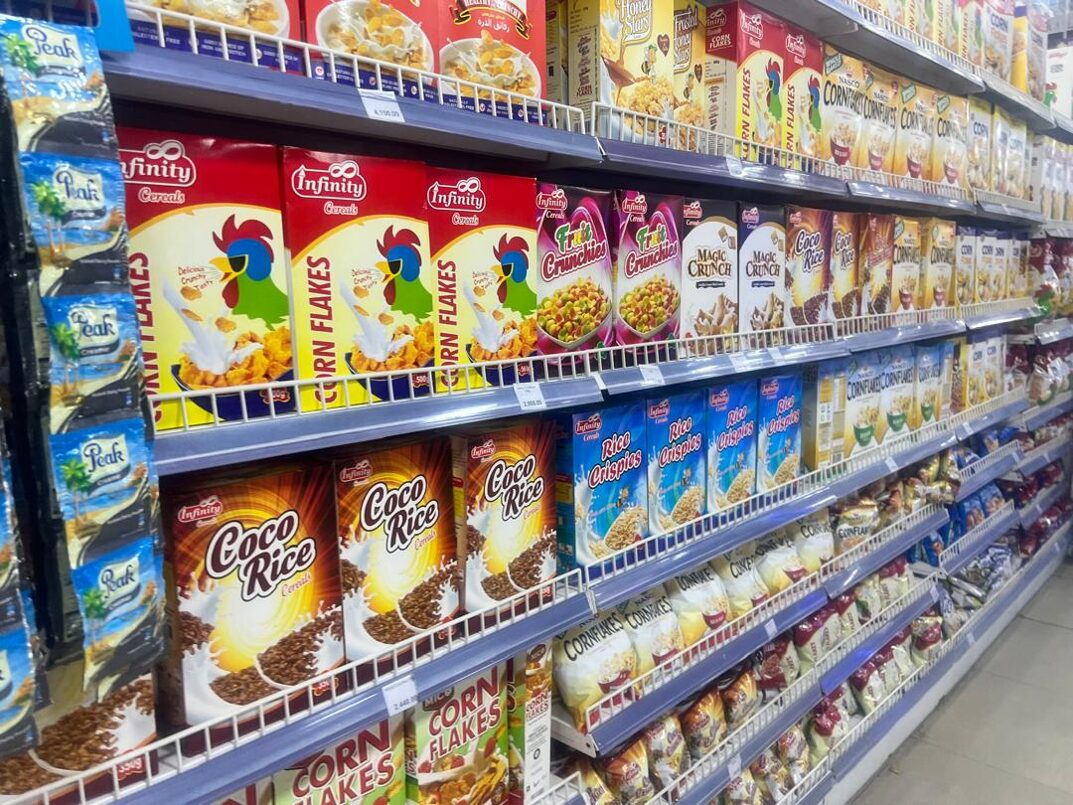
Consumers who cannot easily find a product are unlikely to remain loyal to it. Even strong marketing campaigns can lose momentum if products are not consistently available where customers expect to find them.
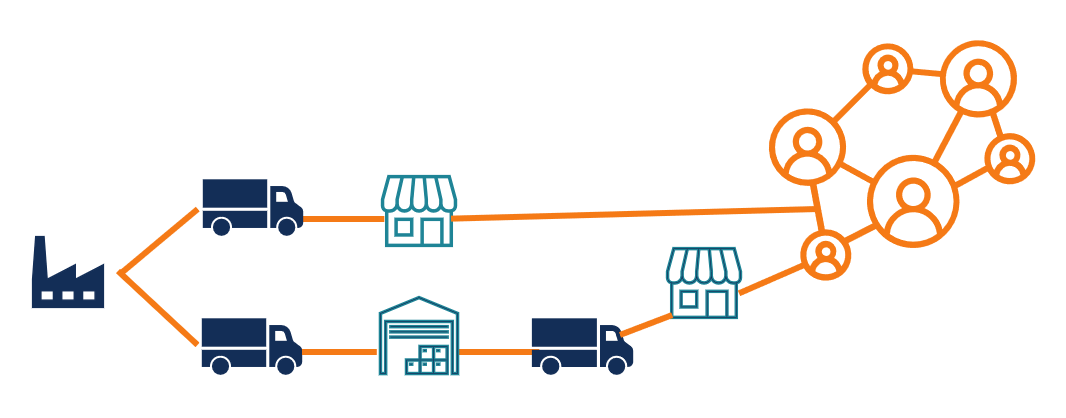
Successful FMCG brands place significant emphasis on product availability. They build systems that allow products to reach wholesalers, retailers, and consumers efficiently.
This is where strong market access and distribution support become valuable. Companies such as Austine & Partners help businesses strengthen their market presence by developing practical distribution solutions that improve product reach and support business growth.
Local Competition Is Often Stronger Than Expected
Entering a new market usually means competing against brands that already understand the environment.
Local competitors often have established customer relationships, existing distribution channels, and strong brand recognition. New entrants sometimes underestimate these advantages and assume their products will gain traction immediately.
Brands that succeed typically spend time studying competitors before entering the market. Rather than focusing solely on their own strengths, they seek to understand what customers already value and where opportunities exist.
This allows them to enter the market with a clearer strategy and a stronger value proposition.
Distribution Is More Important Than Many Brands Realize
A great product can struggle if it does not move efficiently through the market.
FMCG products rely on distribution systems that connect manufacturers with retailers and consumers. When these systems are weak, stock shortages and missed sales opportunities often follow.
Strong brands recognize that distribution is not simply an operational function. It is a critical part of market growth.
Companies that invest in reliable distribution channels are often able to expand more quickly while maintaining consistent product availability.
As markets become more competitive, efficient distribution increasingly becomes a key differentiator.
Pricing Must Match Market Reality
One of the fastest ways for an FMCG brand to lose momentum is through poor pricing decisions.
Consumers compare products constantly, and pricing often plays a major role in purchasing decisions. A product that is priced too high may struggle to gain adoption, while one that is priced too low may create profitability challenges.
Successful brands carefully evaluate market conditions before setting prices. They consider consumer expectations, competitor pricing, and purchasing power.
This balanced approach helps create value for customers while supporting sustainable business growth.
Adaptability Creates Opportunities
Markets rarely remain unchanged for long. Consumer preferences evolve, economic conditions shift, and competitive pressures continue to emerge.
Brands that remain rigid often find it difficult to respond to these changes.
The most successful FMCG companies continuously evaluate market performance and make adjustments when necessary. They listen to customers, monitor trends, and refine their strategies over time.
This ability to adapt helps brands remain relevant while creating opportunities for continued growth.
Strong Relationships Support Long-Term Growth
Behind many successful FMCG brands are strong business relationships.
Distributors, wholesalers, retailers, and logistics partners all contribute to a brand’s ability to reach customers effectively. Businesses that invest in these relationships often benefit from better market coverage and stronger operational performance.
Partnerships also provide valuable market insights that can help brands identify opportunities and avoid common mistakes.
Rather than viewing relationships as transactional, successful FMCG companies treat them as long-term assets that support growth and stability.
Expansion Requires More Than Ambition
Many FMCG brands have ambitious growth goals, but ambition alone does not create successful expansion.
Growth requires planning, market knowledge, and execution. Businesses that approach expansion strategically are often better prepared to navigate challenges while taking advantage of opportunities.
This is one reason many companies seek support from experienced business growth partners.
Austine & Partners works with businesses seeking to strengthen market access, improve distribution performance, and expand into new opportunities. By helping organizations build stronger commercial foundations, the company supports sustainable growth across multiple sectors.
The Difference Between Growth and Survival
The FMCG market rewards brands that consistently deliver value while remaining accessible to customers.
Brands that understand consumers, maintain strong distribution, and adapt to changing conditions often build lasting success. Those that ignore these fundamentals frequently struggle to gain traction, regardless of product quality.
Success is rarely the result of a single decision. Instead, it comes from a combination of smart planning, strong execution, and a clear understanding of how markets operate.
Conclusion
Some FMCG brands thrive in new markets because they focus on the factors that truly influence growth. They understand consumers, prioritize product availability, build strong relationships, and remain adaptable as markets evolve.
Businesses that take a strategic approach to expansion are often better positioned to create lasting success and stronger market presence.
Sustainable FMCG growth depends on more than product quality. It requires strong market access, reliable distribution, and a clear understanding of consumer demand. Austine & Partners works with businesses seeking to strengthen their market presence and unlock new growth opportunities.
Contact the team today: https://austineandpartners.com/contact/