

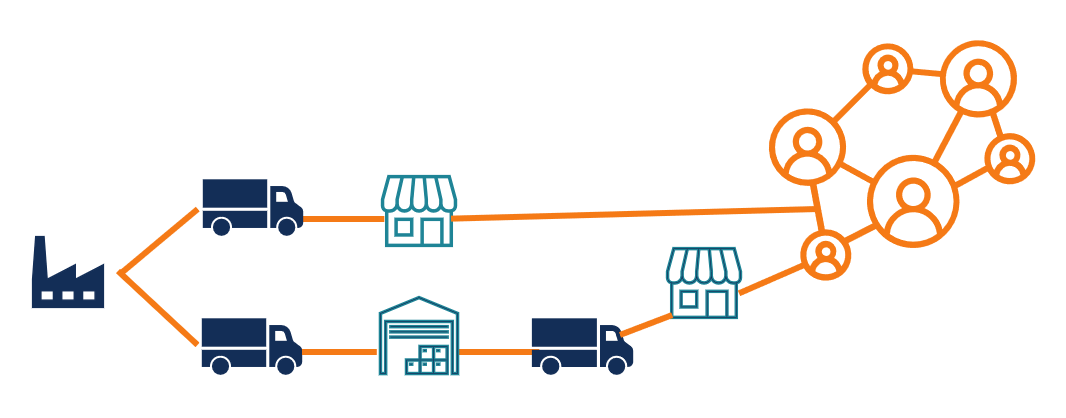





Supplier relationships play an important role in every business, but relying too heavily on a single supplier can expose an organization to unnecessary risks. Unexpected events such as production delays, transportation challenges, regulatory changes, or material shortages can interrupt operations and affect customer satisfaction. As global markets become more interconnected, businesses are recognizing the importance of building supplier networks that provide greater flexibility and stability.
Healthcare, Fast Moving Consumer Goods (FMCG), industrial supply, technology, real estate, and fashion businesses all depend on consistent access to products, materials, and equipment. Expanding a supplier base does not mean replacing trusted relationships. Instead, it creates additional options that help businesses respond more effectively when circumstances change.
Supplier diversification has become less about preparing for emergencies and more about creating stronger foundations for sustainable business growth.
A Single Supplier Cannot Eliminate Every Risk
Long-standing supplier relationships often provide confidence and operational consistency.
However, even the most dependable supplier can face circumstances beyond their control. Factory shutdowns, shipping disruptions, labour shortages, or policy changes may affect production without warning. When a business depends entirely on one source, these challenges can quickly influence its own operations.
Working with multiple qualified suppliers reduces dependence on a single point of failure.
This approach provides businesses with greater flexibility when unexpected situations arise.
Different Suppliers Offer Different Strengths
Not every supplier delivers the same value.
One supplier may excel in production capacity, while another offers faster delivery or greater technical expertise. Some suppliers may provide stronger regional coverage, while others specialize in niche products or customized solutions.
Understanding these strengths allows businesses to build sourcing strategies that match their operational priorities.
Rather than comparing suppliers against one another, organizations can identify where each partner contributes most effectively.
Market Conditions Can Change Quickly
Business environments continue evolving.
Economic developments, raw material availability, transportation costs, and international trade policies can all influence supplier performance. Businesses that maintain a broader supplier network are often better prepared to adjust sourcing activities without interrupting customer service.
Diversification provides greater room for strategic decision-making.
Organizations can respond to changing conditions with more confidence because alternative options already exist.
Regional Suppliers Can Improve Business Agility
Global sourcing offers many advantages, but regional suppliers can also play an important role.
Shorter transportation distances may improve delivery times and reduce exposure to international shipping delays. Regional partners often possess a stronger understanding of local regulations, customer expectations, and market conditions.
Combining international and regional suppliers creates a more balanced sourcing strategy.
This balance allows businesses to improve responsiveness while maintaining operational flexibility.
Supplier Evaluation Should Be Continuous
Selecting a supplier is only the beginning of the relationship.
Business performance, production capability, service quality, and financial stability can all change over time. Regular evaluation helps businesses understand whether suppliers continue meeting operational expectations.
Ongoing reviews also create opportunities to strengthen relationships through constructive feedback and collaboration.
Businesses that assess supplier performance consistently are often able to identify improvement opportunities before they affect operations.
Local Commercial Knowledge Supports Better Decisions
Identifying suitable suppliers in unfamiliar markets can be challenging.
Businesses must understand commercial practices, supplier capabilities, regulatory requirements, and industry expectations before entering new sourcing relationships. Reliable market insight helps organizations make decisions based on practical knowledge rather than assumptions.
Many companies work with Austine & Partners to identify sourcing opportunities, evaluate supplier networks, and strengthen procurement strategies across different sectors. Combining commercial intelligence with local expertise allows businesses to build supplier relationships that support long-term operational success.
Access to reliable information often leads to stronger sourcing outcomes.
Diversification Encourages Business Confidence
Growth often requires businesses to make important decisions under changing market conditions.
Knowing that multiple sourcing options are available allows organizations to respond more confidently when demand increases or unexpected challenges emerge. This flexibility supports business continuity without requiring rushed decisions.
Confidence grows when businesses understand that they have practical alternatives available.
Well-planned supplier diversification strengthens both resilience and operational stability.
Strong Supplier Networks Support Future Growth
As businesses expand, sourcing requirements often become more complex.
New markets, larger customer bases, and increasing production demands may require additional supplier capacity. Building supplier relationships gradually allows businesses to prepare for future opportunities before they become immediate needs.
Planning ahead creates stronger foundations for long-term development.
Organizations that invest in supplier networks today are often better prepared for tomorrow’s opportunities.
Building Stronger Sourcing Strategies
Supplier diversification is no longer viewed simply as a protective measure. It has become a practical business strategy that strengthens flexibility, improves sourcing confidence, and supports sustainable growth across changing market conditions.
Businesses that develop balanced supplier networks are often better equipped to respond to challenges while maintaining operational performance. Through market intelligence, sourcing expertise, and business development support, Austine & Partners helps organizations identify reliable supplier opportunities and build sourcing strategies that support long-term business objectives.
To strengthen your supplier network and explore smarter sourcing opportunities, connect with the Austine & Partners team at: https://austineandpartners.com/contact/