





For Fast Moving Consumer Goods (FMCG) companies, product availability can have a direct impact on sales, customer loyalty, and long-term growth.
Consumers expect to find products when they need them, and when products are unavailable, many simply choose an alternative. In highly competitive markets, even short periods of unavailability can result in lost customers and missed opportunities.
While many businesses focus on marketing and brand awareness, product availability often determines whether those efforts translate into actual sales.
A product cannot generate revenue from a shelf it never reaches. This is why successful FMCG companies continuously look for ways to improve availability across the markets they serve.
Understand Where Availability Problems Begin
Many availability issues are not caused by a lack of demand. Instead, they often result from weaknesses within the supply chain, forecasting errors, or distribution challenges.
Businesses sometimes focus on the point where products are missing from shelves, yet the actual problem may have started much earlier. Delays in production, poor inventory management, or inefficient distribution systems can all contribute to product shortages.
Companies that take time to identify the root causes of availability problems are often better equipped to solve them effectively.
Build Strong Distribution Networks
A strong distribution network remains one of the most effective ways to improve product availability.
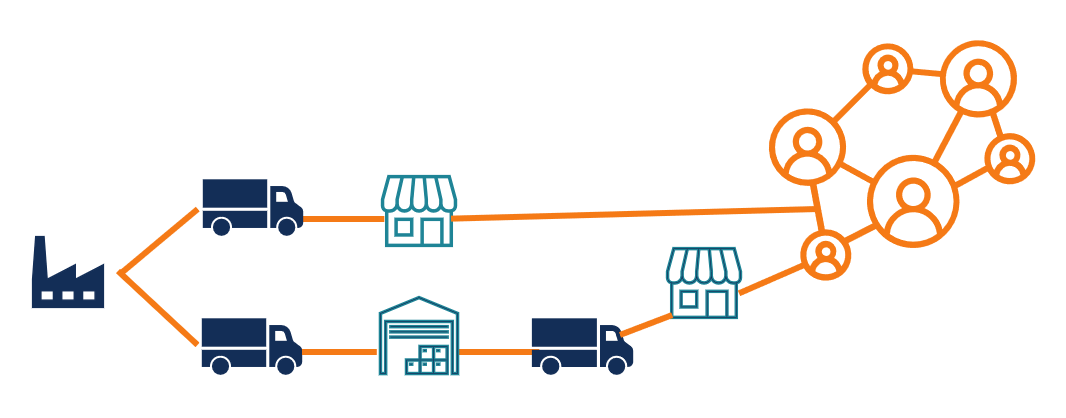
Products must move efficiently from manufacturers to wholesalers, retailers, and consumers. When distribution networks are weak, products may take longer to reach the market or fail to reach certain locations altogether.
Businesses that invest in reliable distribution systems are often able to maintain better market coverage while reducing the risk of stock shortages.
This is one area where experienced market access specialists such as Austine & Partners can help businesses strengthen distribution performance and improve product reach across multiple markets.
Improve Demand Forecasting
Successful FMCG companies do not simply react to demand. They work to anticipate it.
Forecasting helps businesses estimate future demand based on sales history, market trends, and seasonal patterns. While forecasting is never perfect, it allows companies to prepare more effectively and reduce the likelihood of shortages.
When businesses understand demand patterns, they can make better decisions regarding inventory levels and production planning.
Accurate forecasting also helps reduce unnecessary costs associated with overstocking or emergency replenishment.
Strengthen Relationships With Retail Partners
Retailers play an important role in product availability.
Strong relationships with retailers often provide valuable insights into customer behavior, purchasing trends, and inventory performance. These insights help FMCG companies respond more effectively to changes in demand.
Companies that maintain open communication with retail partners are often able to identify potential issues before they become major problems.
Over time, these relationships contribute to stronger market presence and improved product accessibility.
Expand Into More Distribution Channels
Consumers shop through multiple channels, and successful FMCG companies recognize the importance of meeting customers wherever they prefer to buy.
Traditional retail stores remain important, but many businesses are also expanding into wholesale networks, convenience outlets, and digital commerce platforms.
By increasing the number of channels through which products are available, businesses can improve market coverage while reducing dependence on any single sales route.
A diversified distribution strategy often creates greater resilience and improves overall availability.
Use Data to Support Better Decisions
Many FMCG businesses generate large amounts of information every day, yet not all companies use that information effectively.
Sales data, inventory reports, and market performance indicators can provide valuable insights into product availability challenges.
Businesses that analyze this information regularly are often able to identify patterns that would otherwise go unnoticed. They can detect emerging shortages, monitor performance across regions, and make adjustments before problems affect customers.
Data-driven decision-making helps businesses operate more efficiently while supporting long-term growth objectives.
Create Flexibility Within Operations
Markets change constantly, and businesses that remain flexible are often better positioned to maintain product availability.
Unexpected demand increases, transportation disruptions, and changing consumer preferences can all affect how products move through the market.
Companies that build flexibility into their operations are often able to adapt more quickly when challenges arise.
This flexibility may involve maintaining alternative supply routes, strengthening distributor relationships, or improving inventory management practices.
Businesses that prepare for uncertainty are usually better equipped to maintain consistent product availability.
Why Availability Is a Competitive Advantage
Many consumers never think about distribution systems or inventory management. What they notice is whether a product is available when they want it.
Brands that consistently meet this expectation often build stronger customer loyalty and improve their competitive position.
Availability influences customer experience, brand perception, and purchasing behavior. Over time, these factors can have a significant impact on business performance.
For this reason, product availability should be viewed as a strategic priority rather than simply an operational responsibility.
Austine & Partners supports businesses seeking to improve market access, strengthen distribution networks, and create systems that support sustainable growth.
By helping companies overcome distribution challenges, the organization enables businesses to improve product reach and strengthen their position within competitive markets.
Conclusion
Increasing product availability requires more than moving products faster. It involves understanding demand, strengthening distribution, improving forecasting, and building relationships that support long-term success.
Businesses that focus on these fundamentals are often better positioned to meet customer expectations while creating stronger opportunities for growth.
As markets continue to evolve, companies that prioritize availability will remain better equipped to compete and serve customers effectively.
Consistent availability is often one of the clearest signs of a well-managed FMCG business.
For organizations seeking to strengthen distribution performance and expand their market reach, Austine & Partners provides practical support that helps turn growth opportunities into sustainable business results. For more enquires, Visit Austine & Partners @ https://austineandpartners.com/contact/