





Sourcing industrial equipment internationally can help businesses access better technology, improve operational performance, and support long-term growth. However, purchasing equipment from another country involves much more than comparing prices or selecting a supplier.
Companies must evaluate quality, reliability, logistics, supplier credibility, and long-term value before making a decision.
Industrial equipment plays a critical role across sectors such as manufacturing, construction, agriculture, logistics, energy, and processing.
Whether a business is investing in production machinery, material handling systems, construction equipment, or specialized industrial tools, the quality of those investments can influence performance for years to come.
As global trade continues to create new opportunities, more organizations are exploring international sourcing as a way to access equipment that may not be available locally.
While the potential benefits are significant, success often depends on following a structured sourcing process.
Start With a Clear Understanding of Business Needs
One of the most common mistakes businesses make is beginning the sourcing process before clearly defining their requirements.
Equipment purchases should always support a specific business objective. Some organizations may want to increase production capacity, while others may be looking to improve efficiency, reduce downtime, or support expansion plans.
When businesses understand exactly what they need, they are better positioned to evaluate suppliers and compare available options.
A clear understanding of operational goals also helps prevent unnecessary spending on equipment that may not deliver the expected value.
Supplier Selection Requires More Than a Price Comparison
Price is often one of the first factors businesses consider when sourcing internationally. However, focusing exclusively on cost can create problems later.
A lower purchase price does not always translate into better value. Equipment reliability, technical support, warranty coverage, replacement part availability, and supplier reputation all contribute to the overall success of an investment.
Experienced buyers often evaluate suppliers from multiple perspectives before making a decision.
By considering both short-term and long-term factors, businesses can reduce risk and improve the likelihood of achieving positive outcomes from their purchases.
Research Helps Reduce Procurement Risks
International sourcing involves working with suppliers that may operate under different business practices, regulations, and quality standards.
This makes supplier research an essential part of the sourcing process.
Companies should review supplier history, industry experience, customer feedback, and operational capabilities. In many cases, conducting due diligence before making a purchase can prevent costly mistakes later.
Businesses that invest time in supplier evaluation are often better protected against issues such as product quality concerns, delivery delays, or unexpected costs.
Logistics Planning Is Just as Important as Purchasing
Many sourcing challenges occur after a purchase has been made.
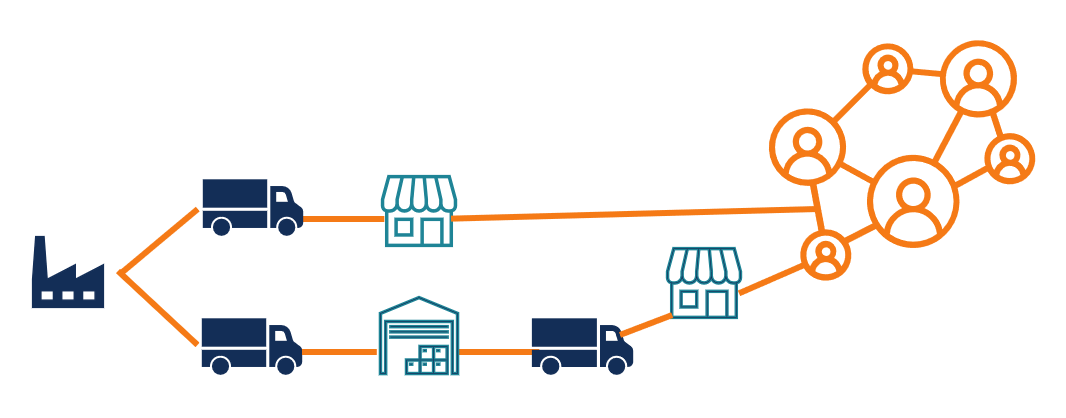
Shipping arrangements, customs procedures, transportation requirements, and delivery timelines can all affect how quickly equipment reaches its destination.
Without proper planning, businesses may experience delays that impact projects, production schedules, or expansion plans.
Successful organizations view logistics as an important part of the sourcing process rather than an activity that begins after equipment has been purchased.
Careful coordination helps ensure that equipment arrives when needed and in the expected condition.
Consider the Total Cost of Ownership
The true cost of industrial equipment extends beyond the initial purchase price.
Installation expenses, maintenance requirements, operator training, energy consumption, and future repairs can all influence the long-term value of an investment.
Businesses that evaluate total ownership costs often make better purchasing decisions because they consider the complete lifecycle of the equipment rather than focusing only on acquisition costs.
This approach helps organizations identify equipment that delivers stronger value over time.
Quality and Reliability Should Remain Priorities
Industrial equipment often operates in demanding environments where performance and reliability are essential.
Equipment failures can result in production interruptions, missed deadlines, and increased operational costs. Because of this, quality should remain a central consideration throughout the sourcing process.
Organizations that prioritize quality frequently achieve stronger operational outcomes and lower maintenance costs over the lifespan of the equipment.
Reliable equipment also contributes to greater confidence among customers, employees, and business partners.
International Sourcing Creates Access to Innovation
One reason many businesses source equipment internationally is the opportunity to access technologies that may not be available within their local markets.
Manufacturers around the world continue developing equipment designed to improve productivity, automation, safety, and operational efficiency.
By exploring international sourcing opportunities, businesses can gain access to solutions that support modernization and future growth.
This access to innovation often becomes a competitive advantage, particularly in industries where efficiency and productivity influence profitability.
Why Experienced Support Can Make a Difference
International sourcing involves many moving parts, and navigating the process without experience can be challenging.
Supplier identification, procurement planning, logistics coordination, and risk management all require careful attention.
Businesses that attempt to manage every aspect independently may encounter avoidable complications that increase costs or delay projects.
This is why many organizations choose to work with experienced sourcing specialists. Companies such as Austine & Partners help businesses evaluate opportunities, identify reliable suppliers, and navigate procurement processes more effectively.
Access to experienced guidance can simplify sourcing decisions while helping organizations focus on their broader business objectives.
Looking Beyond the Purchase
The most successful equipment investments are rarely measured by the purchase itself. Their value becomes evident through improved productivity, stronger operational performance, and long-term business growth.
Organizations that approach sourcing strategically often achieve better outcomes because they view equipment as an investment rather than an expense.
By aligning sourcing decisions with business goals, companies can maximize the return on their investments while building stronger foundations for future expansion.
Looking Ahead
As industries continue evolving, access to reliable industrial equipment will remain an important factor in business competitiveness.
Companies that take a structured approach to international sourcing are often better positioned to identify opportunities, reduce procurement risks, and support long-term growth.
International sourcing is no longer simply about finding equipment abroad. It is about making informed decisions that contribute to operational excellence and sustainable business success.
Through sourcing expertise, market access support, and commercial insight, Austine & Partners helps businesses navigate these decisions with greater confidence and clarity. Get to know more at https://austineandpartners.com/contact/