







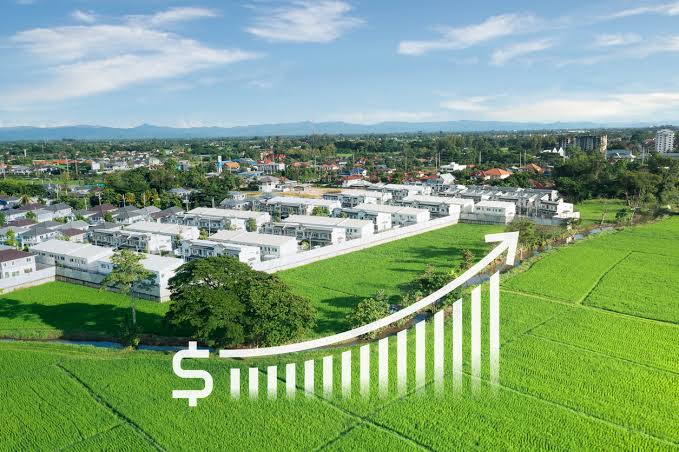
Infrastructure development has long been one of the strongest indicators of future real estate growth. Roads, transportation systems, utilities, airports, ports, and public facilities often influence where people live, where businesses operate, and where investors choose to allocate capital.
As a result, real estate investors frequently pay close attention to infrastructure projects when evaluating new opportunities.
Property markets do not grow in isolation. They are influenced by the environments surrounding them, and infrastructure plays a central role in shaping those environments.
Areas that benefit from significant infrastructure investment often experience increased accessibility, stronger economic activity, and rising demand for both residential and commercial property.
For investors and developers, understanding this relationship can help identify opportunities before they become widely recognized.
Infrastructure Improves Accessibility
Accessibility remains one of the most important factors influencing property demand.
People generally prefer locations that allow them to travel efficiently between homes, workplaces, schools, and commercial centers. Businesses also seek locations that improve operational efficiency and customer access.
When new roads, rail systems, bridges, or transportation networks are introduced, previously overlooked areas can become more attractive to both residents and businesses.
This is one reason infrastructure projects frequently attract the attention of developers long before construction is completed.
Economic Activity Often Follows Infrastructure
Infrastructure does more than connect locations. It also supports economic growth.
New transportation links, utility improvements, and public facilities can encourage businesses to establish operations in areas that were previously less attractive. As commercial activity increases, demand often grows for housing, office space, retail developments, and supporting services.
This relationship creates opportunities for real estate investors seeking locations with long-term growth potential.
Areas experiencing infrastructure investment often benefit from increased economic activity, which can contribute to stronger property markets over time.
The connection between infrastructure and economic development remains one of the key reasons investors monitor major projects closely.
Population Growth Creates Additional Demand
Infrastructure improvements frequently attract people.
As accessibility improves and economic opportunities expand, more individuals may choose to live and work within a particular area. This population growth often creates demand for residential developments, commercial properties, and community services.
Developers who recognize these trends early can position themselves to meet future demand.
Growing populations influence property markets in multiple ways, from increasing housing needs to supporting retail and office development.
For investors, population growth often serves as an important indicator of market potential.
Property Values Can Respond to Infrastructure Investment
Infrastructure projects can influence property values in both direct and indirect ways.
Improved connectivity often makes locations more desirable, which can increase demand and affect property pricing. Investors who identify these opportunities before market sentiment shifts may benefit from future value appreciation.
However, not every infrastructure project produces the same results. The impact often depends on factors such as location, project scale, economic conditions, and broader development activity.
This is why careful analysis remains important when evaluating infrastructure-related opportunities.
Understanding how a project may influence surrounding areas can support more informed investment decisions.
Commercial Real Estate Benefits From Improved Connectivity
Businesses depend on accessibility.
Office developments, retail centers, industrial facilities, and logistics operations often benefit when transportation and infrastructure systems improve. Better connectivity can support customer access, employee mobility, and supply chain efficiency.
As a result, infrastructure projects frequently create opportunities within commercial real estate markets.
Investors seeking long-term growth often evaluate how infrastructure developments may influence business activity within specific locations.
Commercial demand can become an important driver of property market performance over time.
Infrastructure Can Unlock Emerging Locations
Some of the most attractive real estate opportunities emerge in areas that were previously overlooked.
Infrastructure investment can transform these locations by making them more accessible and economically viable. Areas that once experienced limited development may begin attracting residents, businesses, and investors after major infrastructure improvements are introduced.
This transformation often creates opportunities for investors who are willing to look beyond established markets.
Rather than focusing solely on mature locations, many successful investors monitor emerging areas where infrastructure is creating new possibilities.
The ability to identify these shifts early often contributes to stronger investment outcomes.
Long-Term Investors Pay Attention to Infrastructure Trends
Infrastructure projects are typically planned with long-term objectives in mind.
Governments and private sector stakeholders often invest in projects designed to support future growth rather than immediate demand alone. This long-term perspective aligns closely with many real estate investment strategies.
Investors who evaluate infrastructure trends can often identify markets that may benefit from future development activity.
This approach encourages strategic decision-making rather than short-term speculation.
Long-term growth opportunities are often strongest where infrastructure and economic development move together.
Market Knowledge Strengthens Investment Decisions
While infrastructure can create opportunities, successful investing requires more than monitoring project announcements.
Investors must understand local market conditions, regulatory environments, development patterns, and commercial dynamics. These factors influence how infrastructure investments ultimately affect property demand and market performance.
This is where experienced market access specialists such as Austine & Partners can provide meaningful support. By helping investors understand market conditions, identify opportunities, and build strategic relationships, the company supports more informed real estate investment decisions.
Access to local insight often improves the ability to evaluate opportunities effectively.
Looking Beyond Construction Projects
Infrastructure should not be viewed solely as physical development.
It represents a signal that investment, growth, and future economic activity may be moving toward a particular location. For real estate investors, understanding these signals can help identify opportunities that align with long-term objectives.
The strongest investment decisions are often based on understanding what infrastructure makes possible rather than focusing exclusively on the project itself.
This broader perspective helps investors evaluate opportunities with greater confidence.
The Opportunity Ahead
Infrastructure development will continue shaping real estate markets around the world. As cities expand, economies grow, and transportation networks improve, new opportunities will emerge across residential, commercial, and industrial property sectors.
Investors who understand the relationship between infrastructure and property demand are often better positioned to identify opportunities before they become widely recognized. Through market access expertise, commercial insight, and business development support, Austine & Partners helps investors navigate changing market conditions and uncover opportunities that support long-term growth.
To discuss real estate opportunities and market expansion strategies, connect with the Austine & Partners team at: https://austineandpartners.com/contact/