





Global equipment procurement allows businesses to access advanced machinery, specialized tools, and industrial equipment that may not be readily available within their local markets. For many organizations, sourcing internationally creates opportunities to improve operational efficiency, increase production capacity, and support long-term growth. However, the procurement process often comes with challenges that can affect timelines, budgets, and overall business performance.
While global sourcing offers significant advantages, successful procurement requires more than finding a supplier and placing an order. Businesses must navigate supplier evaluation, logistics, quality assurance, regulatory requirements, and commercial risks before equipment reaches its final destination.
Companies that understand these challenges are often better positioned to make informed decisions and achieve stronger procurement outcomes.
Finding Reliable Suppliers Can Be Difficult
One of the biggest challenges in global procurement is identifying suppliers that consistently meet quality and performance expectations.
The international marketplace offers countless options, but not every supplier delivers the same level of reliability. Some businesses struggle to verify supplier capabilities, assess product quality, or evaluate long-term support commitments before making purchasing decisions.
This uncertainty can increase procurement risk, particularly when equipment investments involve significant capital.
Organizations that conduct thorough supplier assessments are often better equipped to identify partners capable of supporting their operational goals.
Quality Expectations May Differ Across Markets
Equipment that appears suitable on paper may not always meet expectations in practice.
Different markets often operate under varying manufacturing standards, quality controls, and certification requirements. Without proper evaluation, businesses may discover that equipment does not align with operational needs after purchase.
This challenge highlights the importance of due diligence throughout the procurement process.
Careful evaluation of technical specifications, certifications, and supplier credentials can help reduce the likelihood of costly surprises later.
The more information businesses gather before purchasing, the stronger their decision-making becomes.
Logistics Can Affect Project Timelines
Global procurement does not end when equipment leaves the supplier.
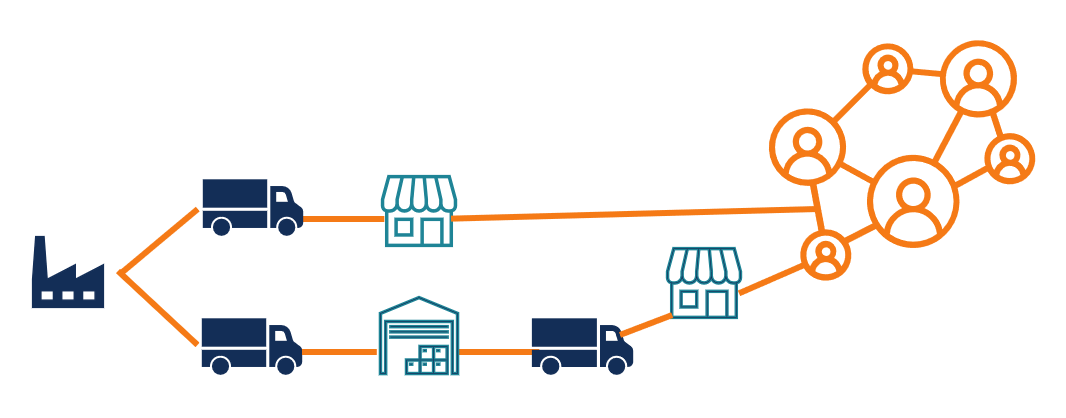
Transportation, customs clearance, shipping schedules, and local delivery arrangements can all influence how quickly equipment reaches its destination. Delays at any stage may affect installation schedules, production plans, or project timelines.
Businesses that underestimate logistical requirements often encounter unexpected challenges.
Successful procurement strategies typically include logistics planning from the beginning, ensuring that transportation and delivery considerations receive the same attention as supplier selection.
This proactive approach helps reduce delays while improving overall project coordination.
Cost Management Requires a Broader View
Many businesses focus primarily on purchase price when evaluating equipment options.
While pricing remains important, the total cost of procurement often extends beyond the initial transaction. Shipping expenses, import duties, installation costs, maintenance requirements, and operational efficiency can all influence long-term value.
Equipment that appears less expensive initially may become more costly over time if performance, reliability, or support expectations are not met.
Organizations that evaluate total procurement costs rather than purchase price alone often make stronger investment decisions.
This broader perspective helps businesses focus on value rather than simply cost.
Regulatory Requirements Can Create Complexity
International procurement frequently involves regulatory considerations that vary between countries and industries.
Import regulations, technical standards, compliance requirements, and documentation processes may influence procurement timelines and purchasing decisions.
Businesses that lack familiarity with these requirements can experience delays or additional costs during the procurement process.
Understanding regulatory obligations early allows organizations to prepare more effectively while reducing unnecessary complications.
Preparation often saves both time and resources throughout the procurement journey.
Communication Gaps Can Affect Outcomes
Global procurement often involves suppliers, logistics providers, consultants, and internal stakeholders operating across different locations and time zones.
Without effective communication, misunderstandings can occur regarding specifications, timelines, delivery expectations, or project requirements.
Clear communication helps align expectations while ensuring that all parties remain informed throughout the process.
Businesses that establish structured communication practices often experience smoother procurement outcomes and fewer disruptions.
Strong communication also supports stronger relationships between buyers and suppliers.
Long-Term Support Should Not Be Overlooked
Equipment procurement is not simply a purchasing decision. It is often a long-term operational commitment.
Maintenance support, spare parts availability, technical assistance, and warranty services can significantly influence equipment performance over its lifespan.
Businesses that focus exclusively on acquisition may overlook factors that become important after installation.
Evaluating long-term support capabilities helps ensure that equipment continues delivering value well beyond the initial purchase.
This approach often contributes to stronger operational performance and reduced downtime.
Market Knowledge Improves Procurement Decisions
Many procurement challenges arise because businesses lack sufficient market insight.
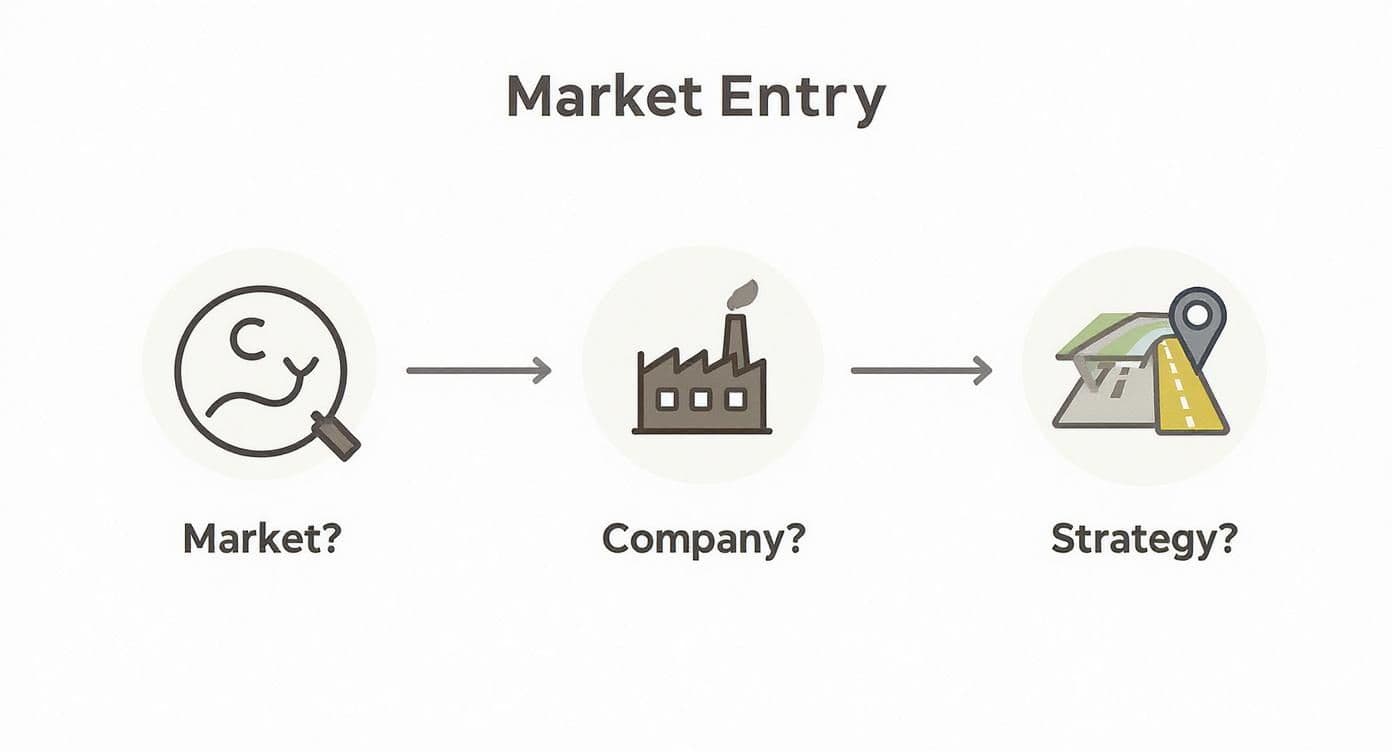
Understanding supplier landscapes, industry trends, sourcing opportunities, and procurement risks can improve decision-making at every stage of the process.
Organizations frequently benefit from working with experienced sourcing and market access specialists who understand how global procurement environments operate.
This is where companies such as Austine & Partners can provide valuable support. By helping businesses identify sourcing opportunities, evaluate suppliers, and strengthen procurement strategies, the company supports more informed and effective purchasing decisions.
Access to commercial insight often creates advantages that extend beyond a single transaction.
Procurement Is a Strategic Business Function
Modern procurement influences much more than equipment acquisition.
It affects operational efficiency, project performance, financial planning, and long-term competitiveness. Businesses that treat procurement as a strategic function are often better positioned to achieve sustainable growth and stronger returns on investment.
Rather than focusing solely on transactions, successful organizations view procurement as part of a broader business strategy.
This perspective encourages better planning, stronger partnerships, and improved outcomes.
Building Stronger Procurement Strategies
Global equipment procurement presents challenges, but those challenges can often be managed through preparation, market knowledge, and strategic decision-making. Businesses that approach procurement with a long-term perspective are generally better equipped to navigate complexity while identifying opportunities that support growth.
As global markets continue evolving, organizations that strengthen procurement capabilities will often gain advantages in efficiency, competitiveness, and operational performance. Through sourcing expertise, market access support, and commercial insight, Austine & Partners helps businesses develop procurement strategies that support long-term success.
To explore sourcing opportunities and strengthen your procurement approach, connect with the Austine & Partners team at: https://austineandpartners.com/contact/