






Expanding into new markets can create significant opportunities for business growth, but it can also expose organizations to supply chain risks that may affect operations, customer satisfaction, and profitability. While many companies focus on market demand, customer acquisition, and revenue potential during expansion, supply chain resilience often determines whether growth plans succeed or encounter costly setbacks.
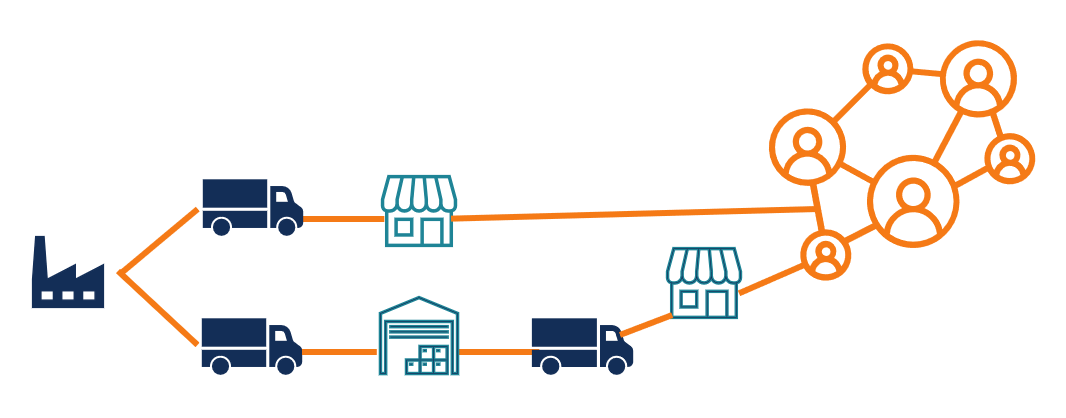
A supply chain connects suppliers, manufacturers, distributors, logistics providers, and customers. When any part of that system experiences disruption, the effects can spread throughout the business. Delayed shipments, supplier challenges, transportation issues, and inventory shortages can all affect a company’s ability to serve customers effectively.
As businesses pursue growth opportunities across different regions, reducing supply chain risks has become an important strategic priority.
Supply Chain Risks Often Increase During Expansion
Operating within familiar markets allows businesses to build systems and relationships based on experience. Expansion introduces new environments, new partners, and new variables that may not have been encountered previously.
Different markets often have unique regulatory requirements, infrastructure conditions, supplier landscapes, and logistical challenges. These factors can create additional complexity for businesses that are unfamiliar with local operating conditions.
The more a company understands these risks before expansion begins, the better positioned it becomes to manage them effectively.
Preparation often reduces disruption while improving overall business performance.
Supplier Diversification Reduces Dependence
One of the most common supply chain risks is overreliance on a single supplier.
While working with one supplier may simplify procurement processes, it can also create vulnerability if that supplier experiences production issues, delays, or operational challenges.
Businesses that diversify supplier relationships often create greater resilience within their supply chains. Multiple sourcing options provide flexibility and help reduce the likelihood of significant disruption when unexpected challenges occur.
Diversification is not about replacing strong suppliers. It is about ensuring that alternative options exist when needed.
Organizations that build supplier flexibility often strengthen their ability to respond to changing conditions.
Market Research Helps Identify Potential Risks
Many supply chain challenges can be anticipated through thorough market research.
Understanding transportation infrastructure, supplier capabilities, regulatory requirements, and local business environments can help businesses identify risks before they become operational problems.
Research also helps companies understand the practical realities of operating within a specific market.
Rather than relying on assumptions, businesses that invest in market intelligence are often better equipped to make informed decisions regarding sourcing, logistics, and commercial partnerships.
This knowledge frequently becomes a valuable advantage during expansion.
Strong Local Partnerships Improve Visibility
Local partnerships can play an important role in reducing uncertainty.
Businesses entering new markets often benefit from working with organizations that understand local conditions and commercial dynamics. Local partners can provide insight into supplier reliability, logistics considerations, and market-specific challenges.
These relationships help businesses gain visibility into areas that may otherwise be difficult to evaluate from a distance.
Companies such as Austine & Partners support organizations by helping them identify opportunities, build strategic relationships, and strengthen market access strategies that contribute to smoother expansion efforts.
Access to local expertise often improves decision-making while reducing avoidable risks.
Inventory Planning Supports Business Continuity
Inventory shortages can quickly affect customer satisfaction and business performance.
As companies expand, forecasting demand may become more difficult due to limited historical data and changing market conditions. This uncertainty can increase the risk of stockouts or excess inventory.
Effective inventory planning helps businesses maintain product availability while managing costs more efficiently.
Organizations that monitor inventory levels closely and adjust planning based on market realities are often better positioned to maintain continuity during expansion.
Strong inventory management contributes to both operational stability and customer confidence.
Technology Strengthens Supply Chain Management
Technology continues to transform how businesses manage supply chains.
Digital tools allow organizations to monitor shipments, track inventory, forecast demand, and improve communication across different parts of the supply chain. These capabilities help businesses identify potential issues earlier and respond more effectively.
Greater visibility often leads to stronger decision-making.
Companies that leverage technology strategically can improve efficiency while reducing some of the uncertainties associated with market expansion.
As supply chains become more complex, technology is playing an increasingly important role in risk management.
Flexibility Creates Resilience
Supply chains rarely operate exactly as planned.
Unexpected events such as transportation disruptions, regulatory changes, supplier challenges, or market fluctuations can affect business operations. Organizations that build flexibility into their supply chains are often better prepared to respond to these situations.
Flexibility may involve alternative sourcing arrangements, diversified logistics options, or contingency planning that allows businesses to adapt when conditions change.
Resilient supply chains are not necessarily those that avoid disruption entirely. They are often the ones that recover quickly when challenges arise.
This ability to adapt can become a significant competitive advantage.
Communication Helps Prevent Small Problems From Growing
Many supply chain issues become more serious because they are identified too late.
Clear communication between suppliers, logistics providers, distributors, and internal teams helps ensure that potential challenges are recognized and addressed early.
Businesses that maintain strong communication channels are often able to resolve issues before they affect customers or operations significantly.
Transparency also strengthens relationships throughout the supply chain, creating greater trust and collaboration.
The strongest supply chains often operate with clear information flow across all stakeholders.
Risk Management Should Be Ongoing
Supply chain risk management is not a one-time exercise.
Markets change, suppliers evolve, regulations shift, and customer demand patterns develop over time. Businesses that continuously evaluate risks are often better positioned to respond to new challenges and opportunities.
Regular assessment helps organizations identify vulnerabilities while strengthening long-term resilience.
This proactive approach allows businesses to remain agile in increasingly dynamic operating environments.
The goal is not to eliminate risk entirely but to manage it effectively.
Building a Strong Foundation for Growth
Successful expansion depends on more than entering new markets. It requires building supply chains capable of supporting growth while maintaining reliability and efficiency.
Businesses that invest in supplier diversification, market intelligence, strong partnerships, technology, and operational flexibility often create stronger foundations for sustainable expansion. These efforts help reduce risk while improving the ability to serve customers consistently.
As organizations pursue opportunities in new markets, supply chain resilience will continue to influence long-term success. Through market access expertise, sourcing support, and commercial insight, Austine & Partners helps businesses strengthen expansion strategies and build supply chains that support sustainable growth.
To discuss market expansion opportunities and supply chain strategies, connect with the Austine & Partners team at: https://austineandpartners.com/contact/