

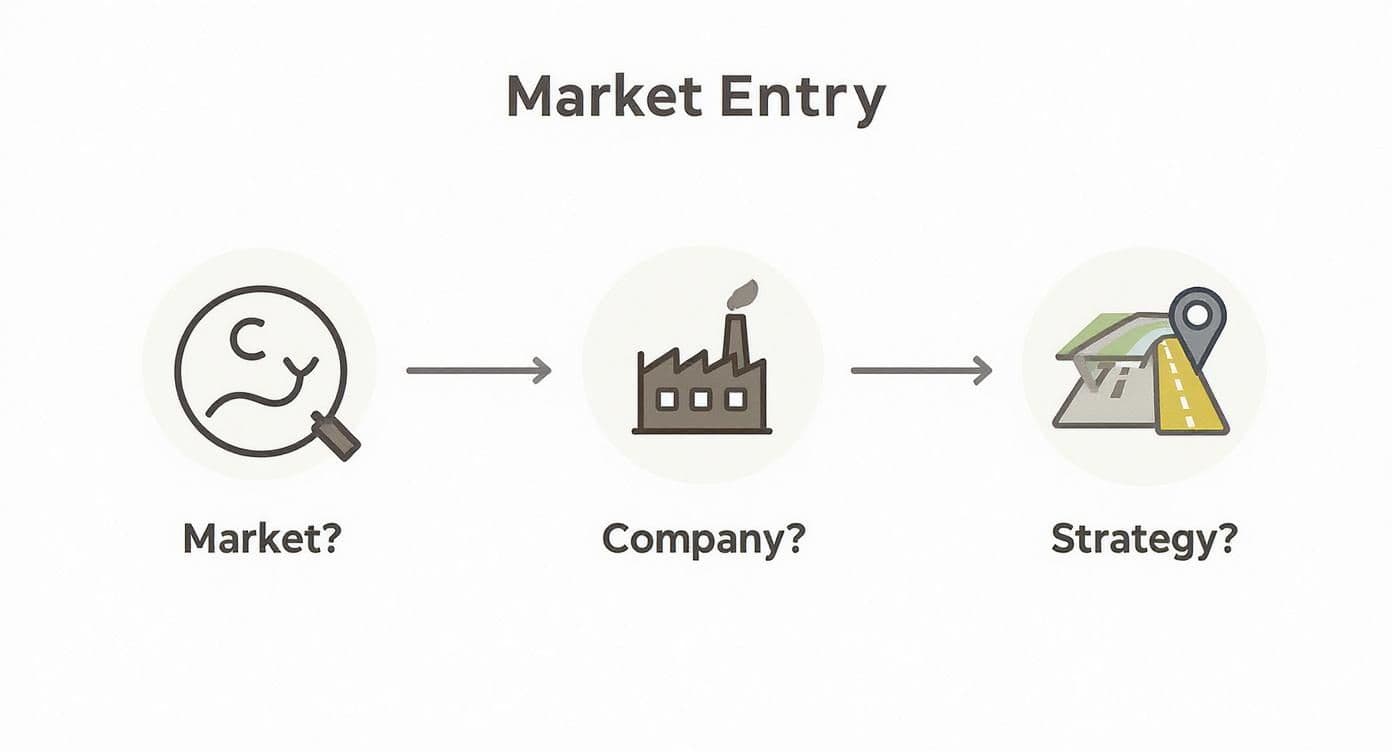






Technology companies are expanding into new markets at an unprecedented pace, driven by increasing demand for digital solutions, improved connectivity, and evolving business needs. While these opportunities can create significant growth potential, successful expansion requires more than a strong product or innovative technology. Companies must understand the environments they are entering and the factors that influence adoption, competition, and long-term sustainability.
Many technology businesses assume that products performing well in one market will naturally achieve similar success elsewhere. However, customer expectations, purchasing behaviors, regulatory requirements, and commercial ecosystems often vary considerably from one region to another. Businesses that understand these differences are generally better positioned to adapt and grow effectively.
This is where local market intelligence becomes increasingly valuable.
Every Technology Market Has Unique Characteristics
No two markets operate exactly the same way.
Some regions may prioritize affordability, while others focus on advanced features, cybersecurity, or integration capabilities. Certain markets are heavily influenced by government initiatives, whereas others are driven by private sector investment and innovation.
Technology companies that understand these dynamics are often able to align their offerings more effectively with local needs.
Market intelligence helps organizations identify these distinctions early, allowing them to make better decisions regarding positioning, pricing, and customer engagement.
Businesses that enter markets with a clear understanding of local conditions are often better prepared for long-term success.
Customer Behavior Influences Adoption
Technology adoption is rarely determined by product quality alone.
Businesses and consumers make purchasing decisions based on trust, familiarity, usability, and perceived value. A solution that resonates strongly in one location may require adjustments before gaining traction elsewhere.
Understanding customer behavior provides companies with insight into what influences purchasing decisions, how customers evaluate solutions, and which challenges they are trying to solve.
These insights can shape marketing strategies, sales approaches, and product development efforts.
Organizations that understand customer expectations often create stronger connections and improve adoption rates.
Regulations Can Affect Expansion Plans
Technology companies frequently operate within environments influenced by data protection laws, licensing requirements, cybersecurity regulations, and industry-specific standards.
Failure to understand these frameworks can lead to delays, additional costs, or operational challenges.
Local market intelligence helps businesses evaluate regulatory landscapes before committing resources to expansion initiatives.
Preparation supports smoother market entry and allows companies to establish realistic expectations regarding implementation timelines and operational requirements.
Businesses that anticipate regulatory considerations early are often better positioned to scale efficiently.
Competitive Intelligence Supports Better Positioning
Technology markets are highly competitive.
Businesses entering new regions need to understand who their competitors are, how they position themselves, and what customers value most. Competitive intelligence provides organizations with visibility into existing market activity and potential gaps that may present opportunities.
Understanding the competitive landscape helps businesses identify ways to differentiate themselves while avoiding strategies that may already be saturated.
Organizations that monitor competitors closely are often better equipped to adapt and strengthen their market position.
Competitive awareness frequently becomes an important driver of strategic growth.
Partnerships Can Accelerate Market Entry
Technology expansion often depends on relationships.
Local distributors, implementation partners, service providers, and industry stakeholders can all contribute to stronger market access. These relationships frequently help businesses establish credibility while improving customer reach.
Identifying the right partners requires an understanding of commercial ecosystems and local business environments.
Companies seeking these capabilities often engage organizations such as Austine & Partners to strengthen market intelligence efforts, identify opportunities, and support expansion strategies designed for long-term growth.
Access to strong networks can significantly improve expansion outcomes.
Market Intelligence Improves Resource Allocation
Expansion requires investment.
Technology companies must decide where to allocate budgets, build teams, develop partnerships, and focus commercial efforts. Market intelligence helps organizations prioritize opportunities that align with their growth objectives.
Reliable information supports stronger decision-making and reduces the likelihood of investing resources in markets that may not offer meaningful returns.
Businesses that understand market potential thoroughly are often able to pursue growth opportunities more efficiently.
Strategic allocation frequently contributes to stronger long-term performance.
Emerging Markets Continue to Create Opportunities
Many emerging economies are experiencing rapid digital transformation.
Growing internet penetration, increasing smartphone adoption, and expanding digital infrastructure are creating new opportunities for technology providers. However, businesses still need to understand local realities before entering these environments.
Market intelligence helps organizations assess readiness, demand patterns, and commercial viability.
These insights allow companies to approach expansion with greater confidence while reducing uncertainty.
Businesses that invest in understanding emerging markets are often better positioned to capture long-term opportunities.
Technology Expansion Requires More Than Ambition
Growth ambitions are important, but successful expansion depends on preparation.
Technology companies that combine innovation with market understanding are often more successful at building sustainable businesses across multiple regions. Local intelligence provides the information needed to navigate challenges, identify opportunities, and strengthen execution.
Organizations that invest in these capabilities frequently improve adaptability while creating stronger foundations for future growth.
Expansion becomes more effective when supported by informed decision-making.
The Opportunity Ahead
Technology markets continue evolving rapidly, creating opportunities for businesses willing to invest in understanding customers, regulations, partnerships, and commercial environments. Companies that leverage local market intelligence are often better positioned to identify opportunities, reduce risks, and strengthen long-term growth strategies.
As technology organizations pursue expansion opportunities, access to market insight, commercial intelligence, and strategic relationships can make a meaningful difference. Through market access expertise, business development support, and commercial insight, Austine & Partners helps technology companies evaluate opportunities and navigate new markets with greater confidence.
To discuss technology expansion opportunities and market development strategies, connect with the Austine & Partners team at: https://austineandpartners.com/contact/