





Global trade policies continue to shape how businesses source products, enter new markets, and build international partnerships. Changes in tariffs, import regulations, customs procedures, and trade agreements can influence costs, delivery timelines, and commercial opportunities almost overnight. For businesses that rely on international trade, staying informed has become an important part of long-term planning.
Healthcare, Fast Moving Consumer Goods (FMCG), industrial supply, technology, real estate, and fashion businesses are all affected by policy changes in different ways. While these developments can introduce new challenges, they can also create fresh opportunities for organizations that respond quickly and make informed decisions.
Rather than viewing policy changes as obstacles, businesses can treat them as signals that it may be time to review existing strategies and strengthen future plans.
Understanding Policy Changes Should Be an Ongoing Process
Trade policies are not fixed.
Governments regularly introduce new regulations, revise existing agreements, or adjust import requirements in response to economic conditions and international developments. Businesses that monitor these changes regularly are often better prepared to respond before they affect daily operations.
Keeping informed allows decision-makers to anticipate potential impacts instead of reacting after disruptions occur.
This proactive approach supports stronger planning and more confident decision-making.
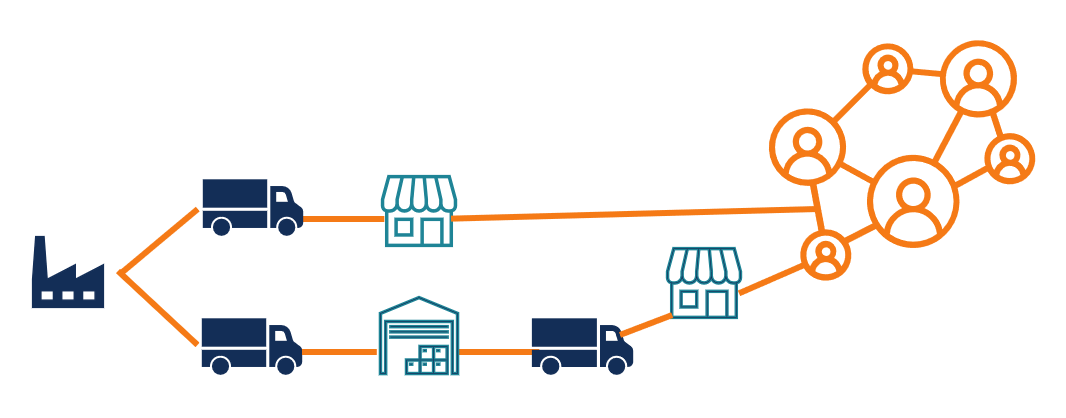
Supply Chains May Need Regular Review
A policy change affecting one country can influence sourcing activities across several markets.
New tariffs, import restrictions, or customs requirements may increase costs or delay deliveries. Businesses that review their supply chains regularly are often able to identify alternative sourcing options before these changes begin affecting customers.
Reviewing supply chains does not always require major restructuring.
Sometimes small adjustments are enough to improve efficiency while reducing unnecessary exposure to changing trade conditions.
Compliance Protects Business Operations
International trade involves more than moving products from one location to another.
Documentation, product standards, certifications, and customs requirements all play an important role in maintaining smooth commercial activities. Businesses that understand these obligations are generally less likely to experience unnecessary delays or penalties.
Compliance should become part of everyday business practice rather than something addressed only when problems arise.
Organizations that build strong compliance processes often operate with greater confidence.
Flexibility Creates More Options
Markets continue evolving.
Businesses that remain flexible are often able to respond more effectively when trade conditions change. This may involve reviewing sourcing strategies, adjusting distribution plans, or exploring different supplier locations.
Flexibility also allows businesses to take advantage of new opportunities that emerge as trade relationships develop between countries.
Organizations that adapt quickly are often better positioned to remain competitive.
Reliable Market Intelligence Supports Better Decisions
Trade policy changes are often accompanied by wider shifts in commercial activity.
Understanding how these developments influence customer demand, supplier availability, and market conditions can help businesses make stronger strategic decisions.
Many organizations work with Austine & Partners to strengthen market understanding, evaluate international opportunities, and develop business strategies that reflect changing global trade environments.
Combining market intelligence with practical commercial insight allows businesses to respond with greater confidence.
Strong Supplier Relationships Improve Stability
Policy changes may affect suppliers differently depending on where they operate.
Maintaining strong relationships with suppliers creates opportunities for open communication when market conditions shift. Early discussions often help businesses understand potential challenges and explore practical solutions together.
Trust becomes particularly valuable during periods of uncertainty.
Businesses that communicate regularly with suppliers are often able to respond more effectively to unexpected developments.
Diversification Can Strengthen Resilience
Relying heavily on one country or one sourcing location may increase business risk.
Expanding supplier networks or exploring additional markets can provide greater flexibility when policies change unexpectedly. Diversification also creates opportunities to compare sourcing options and improve long-term resilience.
Businesses do not need to make dramatic changes overnight.
Gradual diversification often provides a balanced approach while supporting operational stability.
Planning Ahead Supports Sustainable Growth
Trade policies will continue changing as global markets evolve.
Businesses that include policy monitoring within their long-term planning are often better prepared to manage uncertainty without disrupting growth objectives.
Preparation encourages thoughtful decision-making rather than rushed responses.
Organizations that plan ahead are generally more confident when new regulations or commercial developments arise.
What This Means for Businesses
Changing global trade policies are part of today’s international business environment. Companies that remain informed, strengthen compliance, review supply chains, and build flexible sourcing strategies are often better equipped to navigate change while protecting long-term growth.
Understanding how policy developments influence commercial opportunities allows businesses to make better decisions with greater confidence. Through market intelligence, business development expertise, and market access support, Austine & Partners helps organizations navigate changing trade environments while identifying opportunities that support sustainable business growth.
To explore international business opportunities with greater confidence, connect with the Austine & Partners team at: https://austineandpartners.com/contact/