





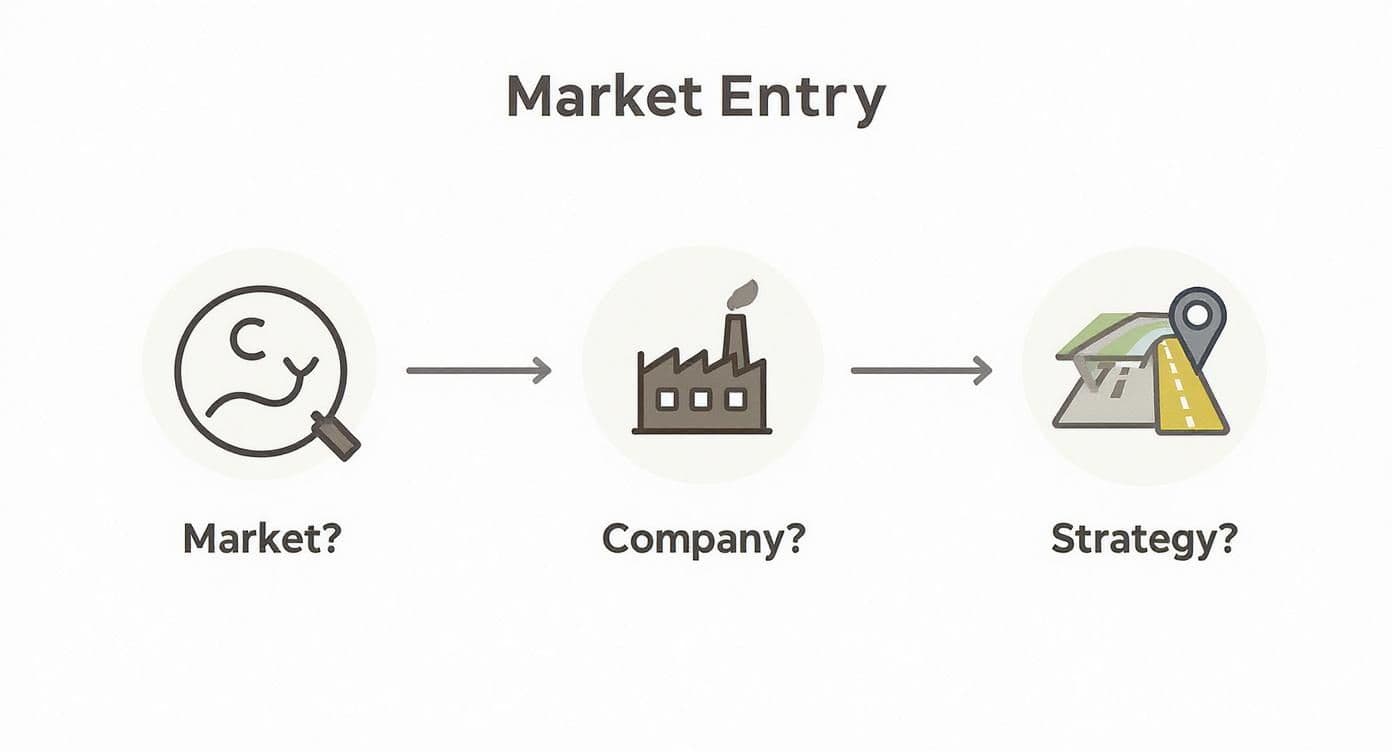


Market research is one of the most valuable tools available to businesses, yet many organizations struggle to turn information into practical decisions. Reports, surveys, customer feedback, and industry data often contain useful insights, but their real value lies in how they influence action. Businesses that know how to interpret market research are usually better prepared to improve operations, identify opportunities, and respond to changing customer needs.
Whether operating in healthcare, Fast Moving Consumer Goods (FMCG), industrial supply, technology, real estate, or fashion, businesses benefit when decisions are guided by evidence rather than assumptions. Market research reduces uncertainty and provides a clearer understanding of the environment in which a company operates.
The goal is not simply to collect information but to use it to make smarter business choices.
Begin With A Clear Business Objective
Research becomes more valuable when there is a clear purpose behind it.
Businesses should first determine the question they are trying to answer before gathering information. This could involve understanding customer preferences, evaluating demand for a new product, assessing supplier options, or exploring opportunities within a particular market.
A focused objective allows businesses to concentrate on information that supports decision-making instead of becoming overwhelmed by unnecessary data.
Clarity at the beginning often leads to more meaningful outcomes.
Separate Facts From Assumptions
Business decisions are sometimes influenced by opinions that have never been tested.
Market research provides an opportunity to confirm whether those assumptions reflect reality. Customer behaviour, purchasing patterns, and industry developments may differ from what businesses expect.
Reviewing objective information helps organizations make decisions based on evidence rather than personal beliefs.
This approach reduces uncertainty while improving confidence in future plans.
Look For Patterns Instead Of Isolated Results
One piece of information rarely tells the full story.
Businesses should examine trends that appear consistently across different sources of research. Repeated customer feedback, recurring purchasing behaviour, or ongoing industry developments often provide stronger indicators than individual observations.
Recognizing patterns allows businesses to identify meaningful opportunities and respond with greater confidence.
Consistency within the data frequently provides the most reliable direction.
Customer Feedback Should Influence Strategy
Customers often provide valuable insight into areas that businesses may overlook.
Questions, complaints, suggestions, and purchasing habits all reveal information that can improve products, services, and customer experiences. Organizations that listen carefully to customer feedback are often better equipped to make improvements that reflect genuine market needs.
These insights can also highlight opportunities for innovation and business development.
Understanding customers remains one of the strongest advantages market research can provide.
Compare Findings With Current Market Conditions
Research should always be considered alongside what is happening within the marketplace.
Economic changes, industry developments, competitor activity, and consumer trends can all influence how information should be interpreted. Businesses that combine research with current market awareness are often able to make more balanced decisions.
Understanding the wider commercial environment helps organizations avoid conclusions based on incomplete information.
Context gives research greater practical value.
Local Knowledge Adds Practical Perspective
Market reports provide useful information, but they may not always reflect local commercial realities.
Business culture, regulations, purchasing behaviour, and regional opportunities often require additional understanding before important decisions are made.
Many organizations work with Austine & Partners to combine market research with commercial insight and local expertise. This practical approach helps businesses interpret information more effectively while identifying opportunities that align with their business objectives.
Reliable guidance often transforms information into meaningful action.
Turn Research Into A Practical Plan
Research should always lead to action.
Once businesses understand what the information reveals, the next step is deciding how to respond. This may involve refining a sourcing strategy, improving customer engagement, entering a new market, or strengthening supplier relationships.
A practical action plan ensures that valuable insights contribute to measurable business improvements.
Information becomes far more useful when it supports real decisions.
Review Results And Continue Learning
Markets continue changing, and research should never become a one-time exercise.
Businesses that regularly review outcomes and gather fresh insights are often better prepared to adjust strategies as conditions evolve. Continuous learning helps organizations remain competitive while improving future decision-making.
Each business decision creates new information that can guide future improvements.
Learning should become part of everyday business practice.
Looking Beyond The Data
Market research becomes truly valuable when it helps businesses make informed decisions with confidence. Understanding customers, identifying trends, evaluating opportunities, and responding to market changes all contribute to stronger commercial outcomes.
Businesses that combine reliable research with practical market knowledge are often better positioned to achieve sustainable growth. Through commercial intelligence, market access expertise, and business development support, Austine & Partners helps organizations transform market insights into practical strategies that deliver long-term value.
To gain deeper market understanding and make more informed business decisions, connect with the Austine & Partners team at: https://austineandpartners.com/contact/