

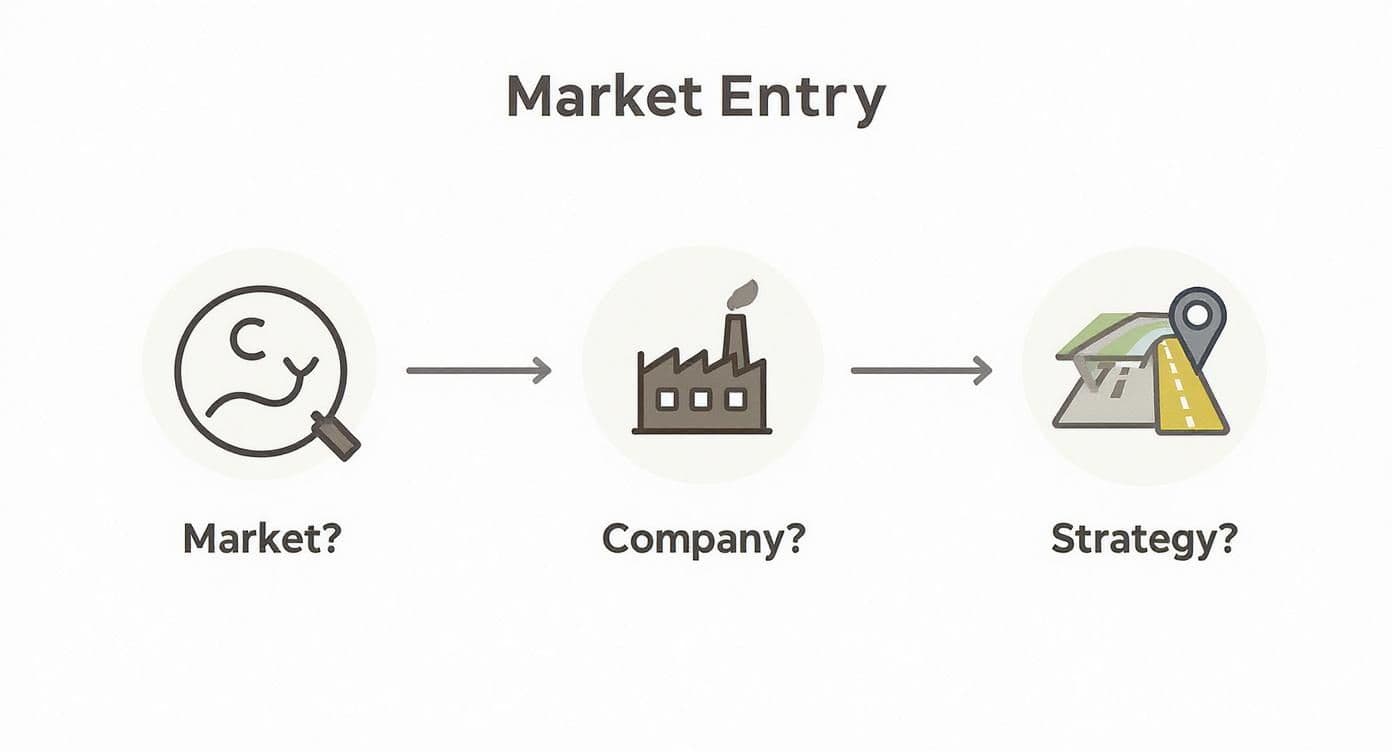






A strong product can struggle in a new market when the wrong distribution partner is responsible for getting it to customers. The right distributor does more than move products. It understands where demand exists, how the local market works and what is required to keep products available.
This decision matters for manufacturers and brands entering unfamiliar territories. A distributor may become one of the company’s closest connections to retailers and other buyers, which means the choice can directly influence market performance.
Choosing carefully from the beginning can prevent problems that become expensive to correct later.
Market Knowledge Comes First
A distributor should understand the market it is expected to serve.
This includes knowing where customers buy, which sales channels matter and how demand differs across locations. A partner with this knowledge can provide useful guidance before products are introduced.
For example, a Fast Moving Consumer Goods (FMCG) brand may require access to supermarkets, wholesalers or smaller retail outlets depending on its target customer. A pharmaceutical manufacturer will face a different route to market.
Businesses should therefore look beyond the size of a distributor and consider how well its market experience matches the product.
Examine the Existing Distribution Network
Claims of wide market coverage should be supported by evidence.
Businesses need to understand where a potential distributor already operates and the type of customers it serves. A large network has limited value if it does not reach the buyers relevant to the product.
Geographical coverage also matters. A company planning to serve several cities needs to know whether the distributor has an established presence in those locations or intends to build one after the agreement begins.
Understanding the existing network gives the manufacturer a more realistic picture of the market access being offered.
Check Whether the Product Fits the Portfolio
A distributor may already represent several brands.
That experience can be useful, but businesses should examine whether their product will receive enough attention. A distributor carrying many competing products may have little reason to prioritise another similar brand.
The existing portfolio can also reveal the distributor’s strengths. A company experienced in healthcare products may already understand the channels required for that sector, while an industrial distributor may have stronger relationships with factories and contractors.
The best fit depends on where the product needs to go.
Understand Its Operational Capacity
Market connections alone cannot keep products moving.
The distributor needs the operational ability to receive, store and deliver the expected volume. Businesses should understand whether its facilities and processes can support the product under consideration.
Certain sectors require closer attention. Pharmaceuticals may have specific storage requirements, while industrial equipment can demand specialised handling.
This is where Austine & Partners can provide useful market access and distribution support. By connecting product owners with commercial channels across West Africa, the company helps businesses consider how products can move from market entry to actual availability.
Discuss Expectations Before Signing
Many distribution problems begin with expectations that were never clearly discussed.
Both parties should understand the territory being covered, expected sales activity and how performance will be reviewed. If exclusivity is being considered, the conditions attached to it should also be clear.
Manufacturers should know what support the distributor expects from them. Product information, marketing materials or training may be required to sell effectively.
Clear expectations make it easier to measure the relationship after the agreement begins.
Consider Access to Market Information
A useful distributor can provide information from the market, not just purchase orders.
Because distributors interact with buyers regularly, they can observe changes in demand and product movement. This information can help manufacturers understand how the market is responding after launch.
Such feedback becomes particularly valuable when a company is operating far from the market.
A distribution relationship should therefore create a channel for information to travel back to the product owner.
Start With Realistic Targets
Entering a new market often requires time.
Setting unrealistic sales expectations at the beginning can place unnecessary pressure on both parties. Initial targets should reflect actual demand, available distribution coverage and the time required to establish the product.
Performance can then be reviewed as the market develops.
A distributor that understands this process should be able to explain how it plans to build product availability instead of making promises that cannot be supported.
Review Performance After Market Entry
Selecting a distributor is not the final decision.
Businesses need to examine what happens once products enter the market. Are agreed locations being served? Is stock reaching customers when required? Are market reports being provided as expected?
Regular reviews allow problems to be addressed while they are still manageable.
If performance continues to fall below agreed expectations, the business can decide whether the relationship needs adjustment or whether another distribution arrangement would be more suitable.
Building the Right Route to Market
Distribution is one of the links between a product and its customers. Choosing the right partner requires more than finding a company willing to carry the product. Businesses need a distributor whose market reach and operational capacity match what the product requires.
For companies entering West Africa, local understanding becomes especially important because distribution conditions can differ significantly between markets.
Austine & Partners works with manufacturers and product owners seeking structured distribution and market access opportunities across the region, helping businesses build routes to market around their commercial objectives.
For distribution and market access support in West Africa, connect with Austine & Partners: https://austineandpartners.com/contact/