




Demand for industrial equipment is increasing across many emerging markets as businesses invest in manufacturing, construction, logistics, energy, and infrastructure development.
As economies continue to expand and industries modernize their operations, companies are looking for equipment that can improve productivity, increase efficiency, and support long-term growth.
Industrial equipment includes machinery, manufacturing systems, construction equipment, processing tools, material handling solutions, and other assets that help businesses operate more effectively.
While these investments often require significant capital, many organizations view them as essential for remaining competitive in a rapidly changing business environment.
Across emerging markets, the need for industrial equipment is no longer limited to large corporations.
Small and medium-sized businesses are also seeking ways to improve operations through better technology and modern equipment, creating new opportunities for suppliers, distributors, and investors.
Infrastructure Development Is Driving Demand
One of the strongest factors behind growing equipment demand is infrastructure development.
Governments and private investors continue to fund projects involving transportation, housing, utilities, industrial parks, and commercial facilities. These projects require a wide range of equipment throughout planning, construction, and maintenance phases.
As infrastructure activity expands, demand often follows for machinery that supports excavation, material movement, construction processes, and operational efficiency.
Businesses involved in infrastructure projects increasingly seek equipment that delivers reliability while helping them complete projects within budget and on schedule.
Manufacturing Expansion Is Creating New Opportunities
Manufacturing remains an important driver of economic growth across many developing regions.
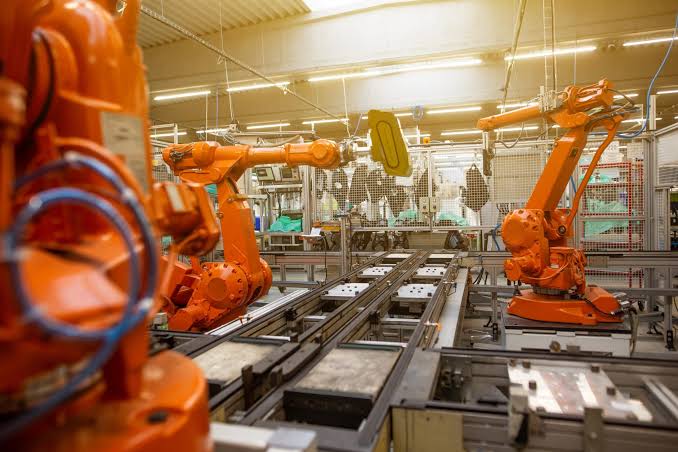
Companies are investing in new production facilities, expanding existing operations, and upgrading equipment to improve output. In many cases, businesses are moving away from older systems and replacing them with machinery that offers better performance and greater efficiency.
This shift creates opportunities for equipment suppliers while helping manufacturers improve competitiveness within both local and international markets.
As production requirements become more sophisticated, businesses are placing greater emphasis on equipment that supports quality, consistency, and operational performance.
Businesses Are Focusing More on Efficiency
Competition continues to increase across many industries, and businesses are under pressure to achieve more with available resources.
Industrial equipment often plays a central role in improving efficiency. Modern machinery can help reduce downtime, improve productivity, and support higher output levels without requiring equivalent increases in labor costs.
Organizations that invest in efficient equipment are frequently able to improve profitability while creating stronger operational foundations for future growth.
Because of this, equipment purchasing decisions are increasingly viewed as strategic investments rather than routine operational expenses.
Access to Equipment Has Become More Important
While demand is growing, many businesses still face challenges when sourcing the equipment they need.
Finding reliable suppliers, evaluating equipment quality, and navigating procurement processes can be difficult, particularly when sourcing internationally.
Some businesses struggle to identify trustworthy suppliers, while others face delays caused by logistics or supply chain constraints.
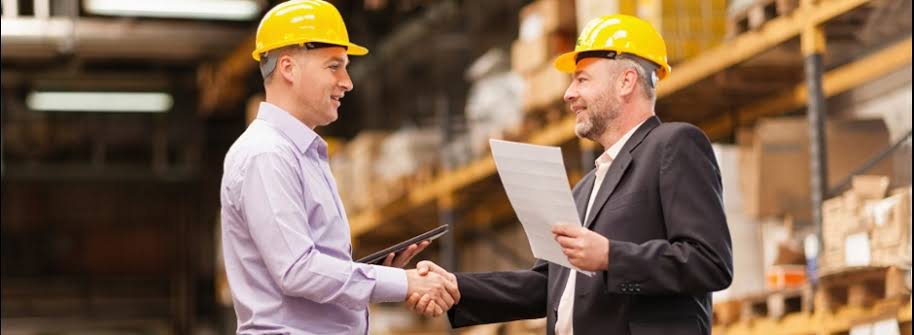
This is why many organizations seek support from experienced sourcing and market access specialists. Companies such as Austine & Partners help businesses identify suitable opportunities, strengthen supplier relationships, and navigate procurement processes more effectively.
Access to the right expertise can help reduce risk while improving purchasing outcomes.
Technology Is Changing Equipment Expectations
Businesses today expect more from industrial equipment than they did in the past.
Modern machinery increasingly incorporates digital monitoring, automation features, and performance tracking capabilities. These innovations help organizations gain better visibility into operations while supporting maintenance planning and performance optimization.
As technology becomes more integrated into industrial operations, businesses are prioritizing equipment that offers long-term value rather than focusing solely on upfront costs.
This shift is influencing purchasing decisions across multiple industries and contributing to increased demand for advanced equipment solutions.
Supply Chain Improvements Are Supporting Growth
The ability to move equipment efficiently across markets has improved significantly in many regions.
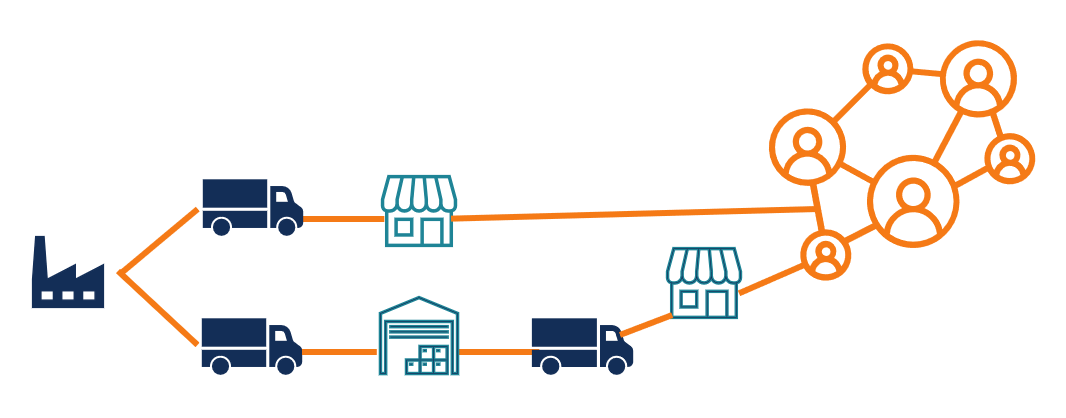
Investments in transportation networks, logistics infrastructure, and supply chain capabilities have helped businesses access equipment that may have been difficult to source previously.
Although challenges still exist, improvements in supply chain systems are creating new opportunities for businesses seeking to modernize operations.
Organizations that can access equipment more efficiently are often able to respond more quickly to growth opportunities while maintaining competitive advantages.
Equipment Investments Support Business Expansion
Many companies view equipment purchases as part of broader expansion plans.
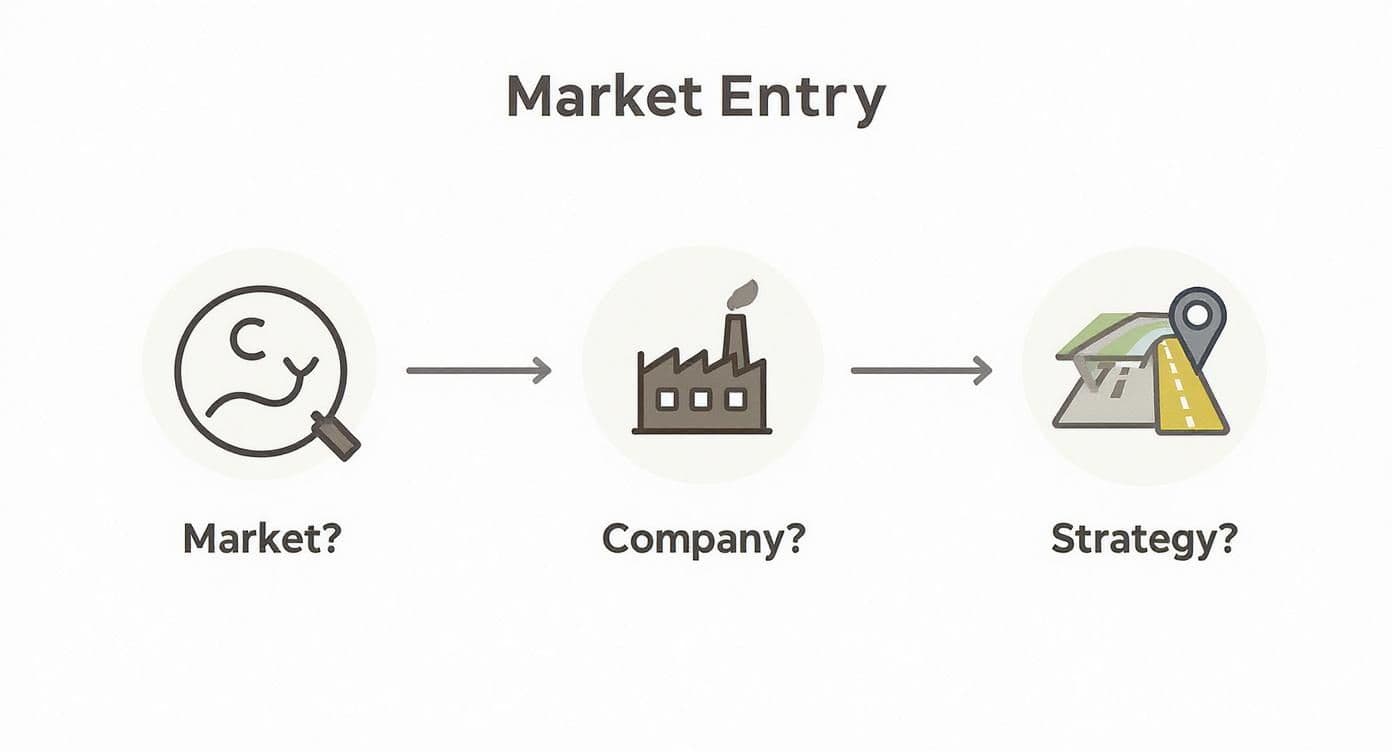
Whether opening a new facility, increasing production capacity, or entering new markets, businesses often require equipment that can support their growth objectives.
As a result, equipment decisions are increasingly linked to long-term business strategy rather than immediate operational needs.
Organizations that align equipment investments with broader business goals are often better positioned to maximize value from those investments over time.
Why Strategic Sourcing Matters
Not all equipment purchasing decisions deliver the same results.
Businesses that focus only on price may overlook important considerations such as reliability, performance, supplier credibility, and long-term support. These factors often influence overall value far more than initial purchase costs.
Strategic sourcing helps businesses evaluate options more effectively while reducing potential risks associated with procurement.
Austine & Partners supports organizations seeking to identify sourcing opportunities, strengthen procurement processes, and improve access to industrial equipment across multiple sectors. By helping businesses make more informed decisions, the company contributes to stronger operational outcomes and long-term growth.
Looking Ahead
Demand for industrial equipment is expected to remain strong as businesses continue investing in modernization, expansion, and efficiency improvements. Emerging markets present significant opportunities for companies that can access the right equipment while building strong operational foundations.
Organizations that approach equipment sourcing strategically are often better positioned to improve productivity, support growth, and remain competitive in evolving industries.
The businesses that benefit most from industrial equipment investments are often those that view procurement as part of a broader growth strategy. Through practical sourcing support, market access expertise, and commercial insight, Austine & Partners helps organizations navigate equipment acquisition decisions with greater confidence and clarity. Contact the team today at : https://austineandpartners.com/contact/