





Expanding a Fast Moving Consumer Goods (FMCG) business into new markets can create significant opportunities for growth, but success rarely happens by chance.
Companies that expand successfully typically understand the market they are entering, build reliable distribution systems, and ensure their products remain accessible to consumers. Those that overlook these fundamentals often struggle to gain traction, regardless of how successful they may have been elsewhere.
The FMCG sector includes products that consumers purchase frequently, such as food, beverages, personal care products, cleaning supplies, and household essentials. Because these products are bought regularly, competition is often intense, and consumer loyalty can change quickly.
As a result, market expansion requires a thoughtful strategy that goes beyond simply introducing products into a new location.
Market Expansion Begins With Understanding Demand
Many businesses identify attractive markets based on population size alone. While a large population can create opportunities, it does not automatically translate into sales.
Consumer preferences vary from one market to another, and products that perform well in one region may not generate the same response elsewhere. Factors such as purchasing power, cultural habits, retail behavior, and local competition can influence demand.
Companies that invest time in understanding these factors are often better positioned to make informed decisions. Research helps businesses identify where opportunities exist and where adjustments may be necessary before entering a market.
A strong understanding of consumer demand provides a foundation for every other expansion decision that follows.
Distribution Should Be Planned Before Launch
Many FMCG companies focus heavily on product launches, marketing campaigns, and promotional activities. While these efforts can generate awareness, they are unlikely to deliver long-term results if products are difficult to find.
Consumers expect convenience. If a product is unavailable when they want it, they often switch to alternatives without hesitation.
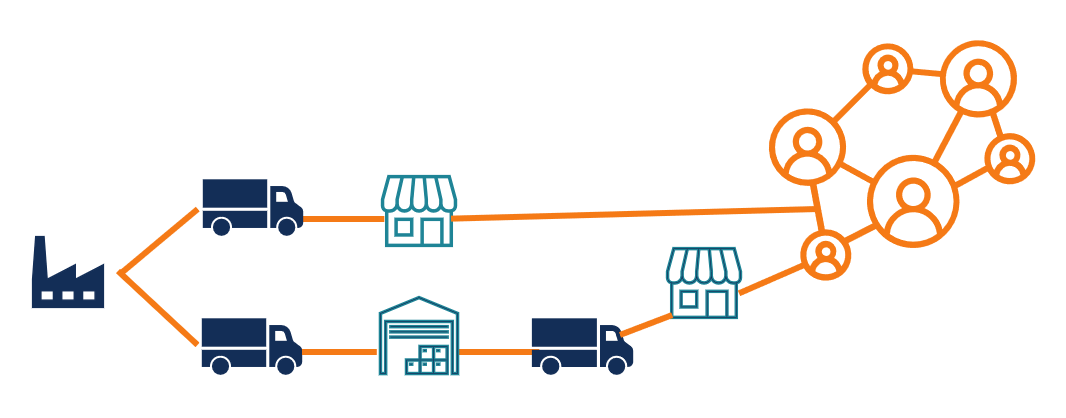
This is why successful FMCG expansion strategies place distribution at the center of planning. Businesses must determine how products will move through the market and how they will remain consistently available across different locations.
Companies such as Austine & Partners support businesses by helping them strengthen distribution capabilities, improve market access, and create practical expansion strategies that support sustainable growth.
Choose Markets Strategically
Not every market offers the same potential.
Some regions may have strong demand but intense competition. Others may offer growth opportunities but present logistical challenges. The most successful FMCG businesses evaluate opportunities carefully rather than pursuing expansion wherever demand appears to exist.
A strategic approach involves examining market size, consumer behavior, competitive activity, and distribution infrastructure. These factors provide a clearer picture of what success may look like and what challenges may need to be addressed.
Businesses that choose markets strategically are often able to allocate resources more effectively and improve their chances of success.
Build Relationships Across the Value Chain
FMCG expansion is rarely achieved alone.
Distributors, wholesalers, retailers, and logistics providers all play important roles in helping products reach consumers. Strong relationships with these stakeholders can improve market coverage and support operational efficiency.
Companies that invest in relationship building often gain access to valuable market insights. These insights can help businesses understand customer needs, identify opportunities, and respond more effectively to changing conditions.
Over time, these partnerships become important assets that contribute to growth and stability.
Adapt to Local Market Conditions
Many brands make the mistake of assuming that a strategy that worked in one market will automatically work in another.
In reality, successful expansion often requires adaptation. Packaging, pricing, product positioning, and promotional activities may need to be adjusted to align with local expectations.
Adaptation does not mean abandoning a brand’s identity. Instead, it involves making thoughtful adjustments that improve relevance and accessibility within a new market.
Businesses that remain flexible are often better equipped to connect with consumers and build stronger market presence.
Product Availability Builds Trust
Consumers tend to trust brands that are consistently available.
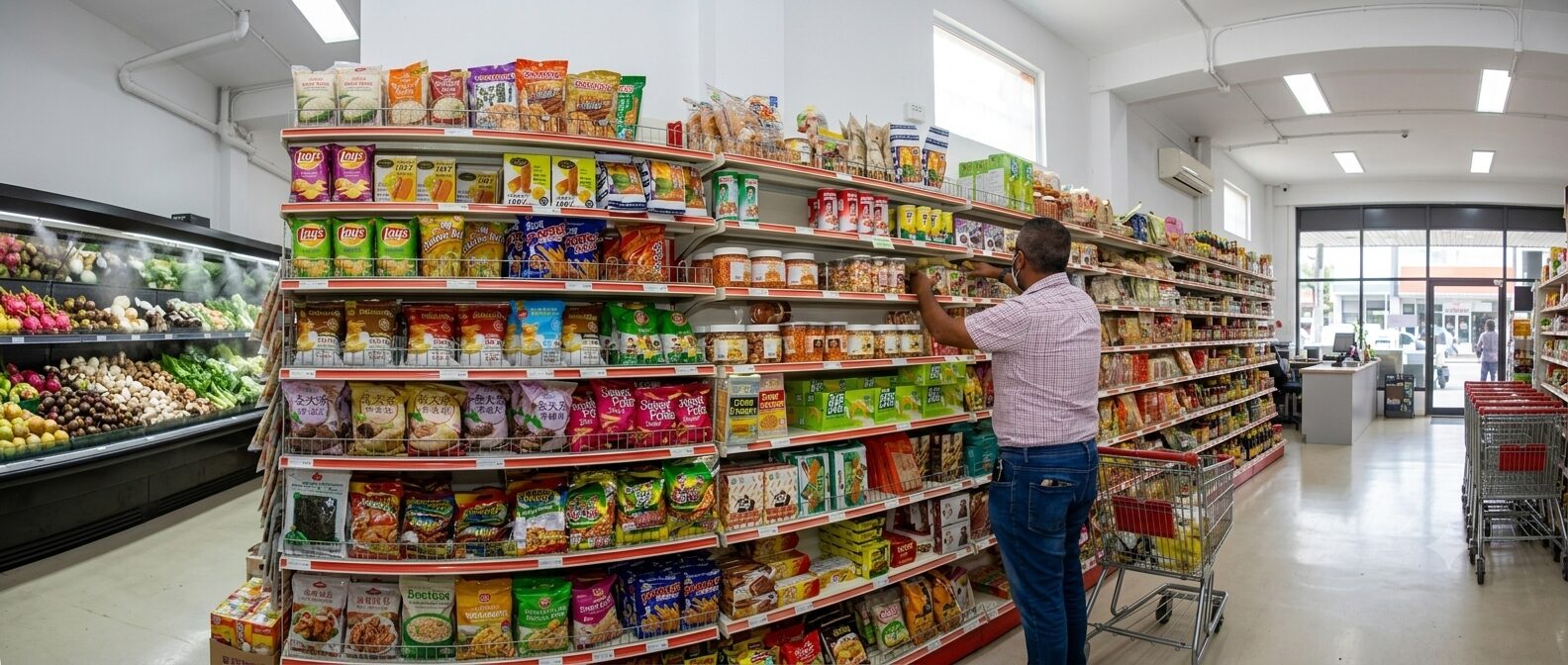
When products frequently disappear from store shelves, customers may begin exploring alternative options. Once purchasing habits change, winning those customers back can become difficult.
Maintaining product availability requires careful planning and coordination throughout the supply chain. Inventory management, logistics performance, and distributor effectiveness all influence how products reach the market.
Businesses that prioritize availability often create stronger customer experiences while supporting long-term growth.
Monitor Performance Continuously
Market expansion should never be treated as a one-time project.
Conditions change, competitors evolve, and consumer expectations shift over time. Businesses that monitor performance consistently are better positioned to identify opportunities and address challenges before they become significant problems.
Regular evaluation helps companies understand what is working and where improvements are needed. This allows organizations to make informed decisions while maintaining momentum in the market.
Successful expansion is often the result of continuous improvement rather than a single strategy.
Why Expert Support Matters
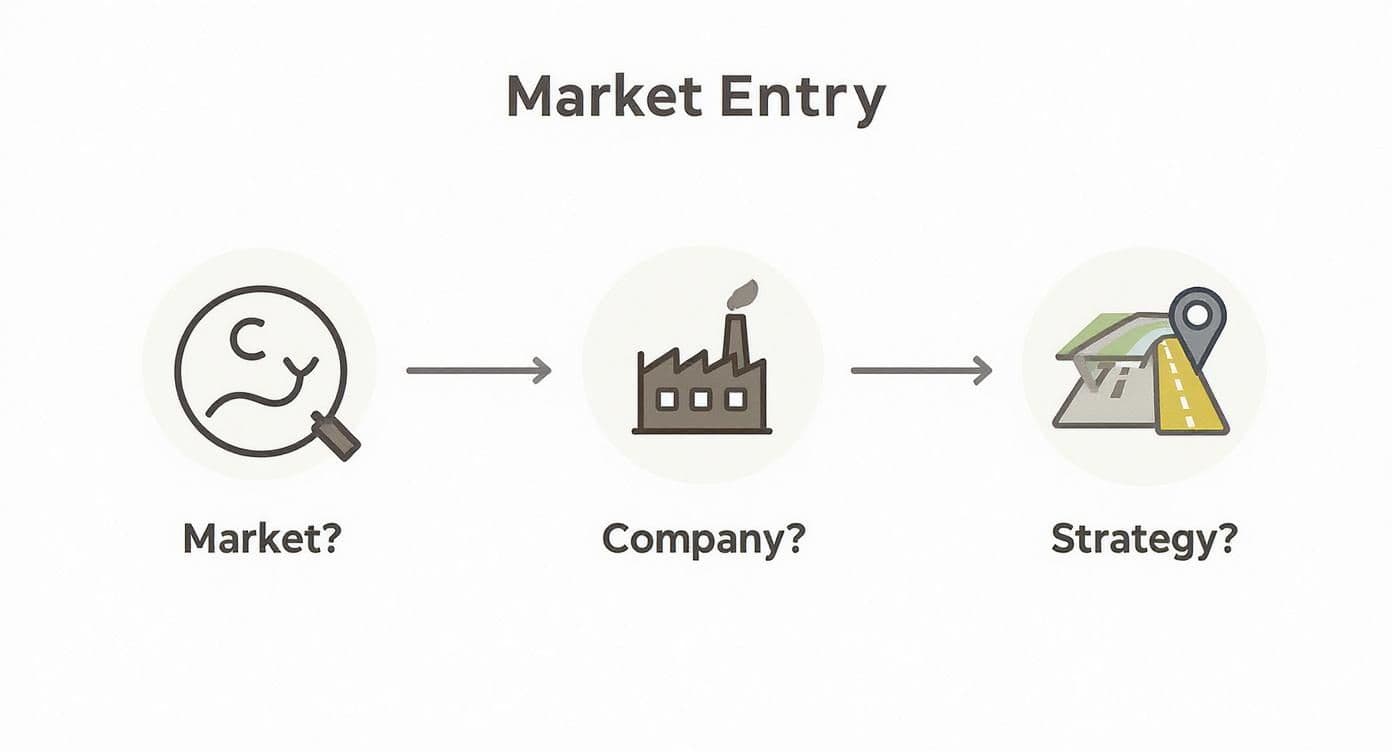
FMCG businesses entering new markets face multiple decisions that can influence future performance. They must determine where to expand, how to distribute products, which partners to work with, and how to remain competitive.
Making these decisions without sufficient market knowledge can increase risk and slow growth.
This is why many businesses work with experienced expansion and distribution specialists. Austine & Partners helps companies strengthen market entry strategies, improve distribution performance, and identify opportunities that support commercial growth.
By combining market knowledge with practical business support, the company helps organizations build stronger foundations for expansion and long-term success.
Sustainable Growth Requires Long-Term Thinking
Many businesses focus heavily on generating immediate sales after entering a new market. While early results are important, sustainable growth requires a broader perspective.
Successful FMCG brands continue investing in relationships, distribution improvements, and market understanding long after launch. They recognize that long-term success is built through consistency rather than short-term wins.
Companies that take this approach are often better positioned to withstand market changes while continuing to grow their customer base.
Conclusion
Successful FMCG market expansion depends on understanding consumers, building strong distribution systems, selecting markets carefully, and maintaining product availability. Businesses that approach expansion strategically are often able to create stronger market presence and more sustainable growth.
Growth opportunities continue to emerge across many markets, but capturing those opportunities requires preparation, execution, and the right support. Austine & Partners works with businesses seeking to expand their reach, strengthen distribution networks, and build a stronger position in competitive markets.
Contact the team today: https://austineandpartners.com/contact/