




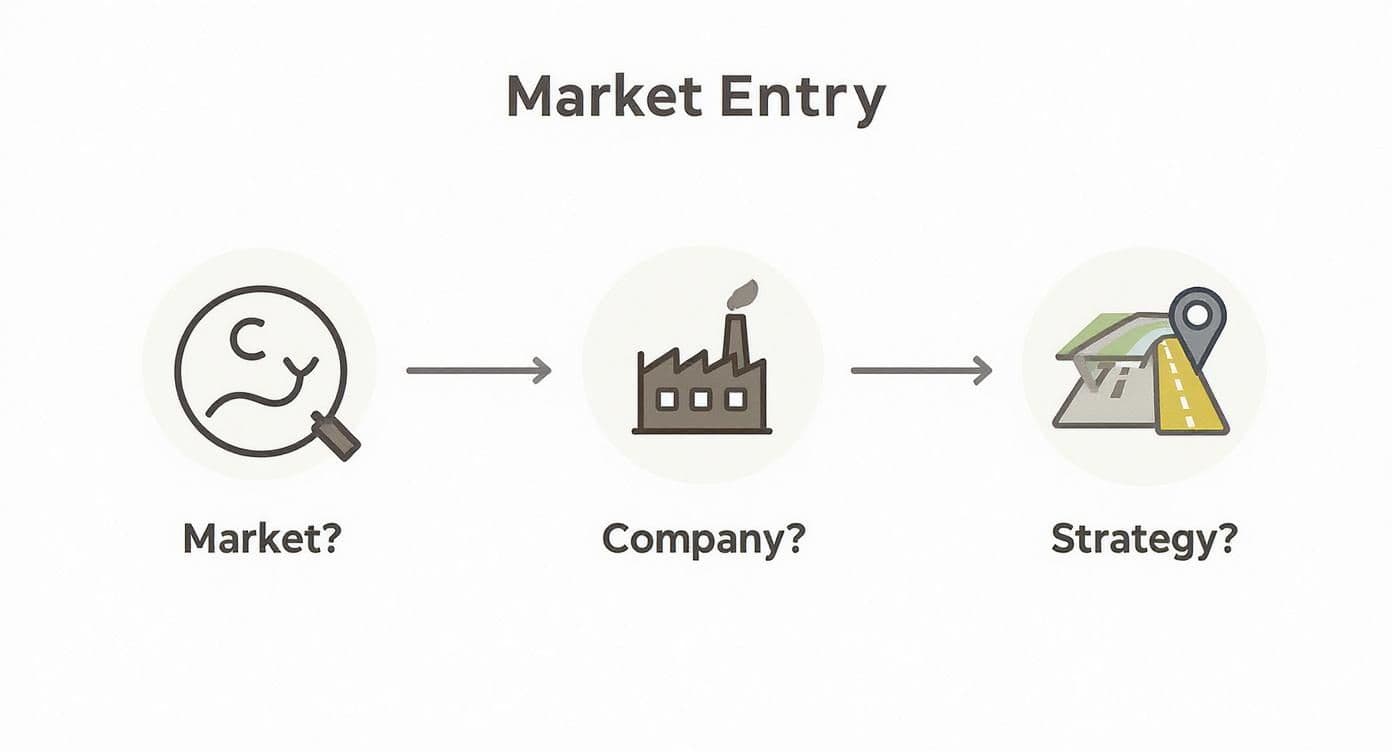


Entering a new market can be one of the most important growth decisions a technology company makes. While expanding into new regions can create access to new customers, partnerships, and revenue opportunities, success often depends on preparation long before products or services are launched. Technology businesses that approach market entry strategically are generally more successful than those that rely solely on the strength of their products.
Many international technology companies assume that demand for their solutions will automatically translate into success in new markets. However, market entry involves much more than introducing software, platforms, applications, or digital services. It requires understanding local business environments, customer expectations, competitive conditions, and commercial realities.
The businesses that perform best are often those that spend as much time preparing for market entry as they do developing their products.
Start With Market Readiness
Before entering any new market, technology companies should evaluate whether they are truly ready for expansion.
Growth opportunities can be exciting, but expanding too early can place unnecessary pressure on operations, customer support, and business resources. Companies should assess whether they have the capacity to serve new customers effectively while maintaining service quality for existing ones.
Market readiness also involves understanding what makes a business competitive. A company should be clear about the value it offers, the problems it solves, and the audience it intends to serve.
Without this clarity, market entry efforts can become difficult to sustain.
Understand the Local Business Environment
Every market operates differently.
Business culture, purchasing behavior, decision-making processes, and customer expectations can vary significantly between regions. A strategy that generates results in one country may require adjustments in another.
Technology companies that invest time in understanding local business environments often make better decisions regarding pricing, positioning, and customer engagement.
This understanding can also help businesses identify barriers that may affect adoption and growth.
The more familiar a company becomes with its target market, the easier it becomes to build meaningful relationships and create sustainable opportunities.
Market Entry Is Not Just About Customers
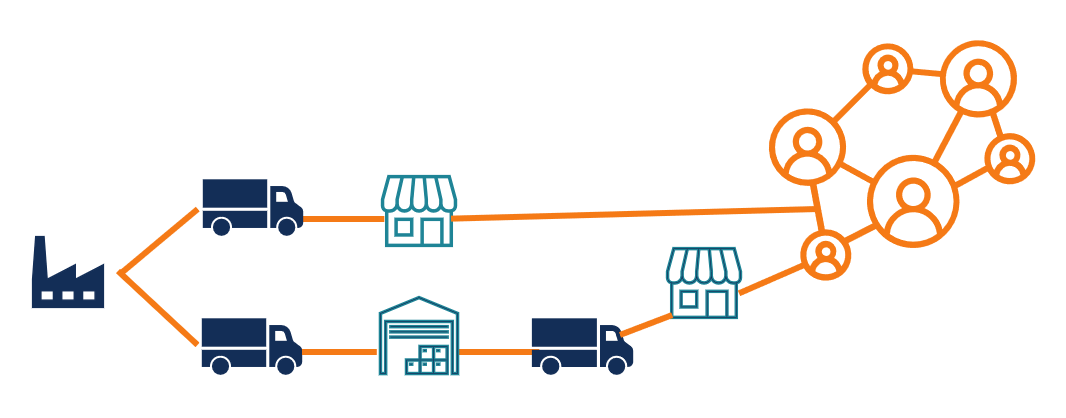
Many organizations focus almost entirely on customer acquisition when entering a new market. While attracting customers is important, successful expansion often depends on building a broader ecosystem of relationships.
Industry associations, local businesses, technology communities, service providers, and commercial partners can all contribute to a company’s success.
Strong relationships help businesses gain market insight, improve credibility, and identify opportunities that may otherwise remain hidden.
Companies that invest in building these connections often establish stronger foundations for long-term growth.
Localization Creates Competitive Advantage
One of the most overlooked aspects of market entry is localization.
Customers are more likely to engage with products and services that reflect their needs, expectations, and business realities. This does not always require significant product changes. Sometimes small adjustments in communication, support, on boarding, or pricing can make a meaningful difference.
Technology companies that localize effectively often create stronger customer experiences while improving adoption rates.
Localization demonstrates commitment to the market and helps businesses build trust more quickly.
Regulatory Awareness Reduces Risk
Technology companies entering international markets should also understand the regulatory environment in which they will operate.
Requirements related to data protection, cybersecurity, digital services, licensing, and business operations may vary between markets. Failure to understand these requirements can create unnecessary challenges during expansion.
Organizations that prioritize regulatory awareness are often able to avoid delays while reducing operational risk.
Preparing early allows businesses to enter new markets with greater confidence and fewer surprises.
Strategic Support Can Simplify Expansion
Market entry involves multiple decisions that influence future performance.
Companies must determine where to expand, how to position their offerings, which relationships to prioritize, and how to allocate resources effectively. Managing these decisions without local insight can make expansion more difficult than necessary.
This is why many international technology businesses seek support from experienced market access specialists. Companies such as Austine & Partners help organizations understand local markets, identify commercial opportunities, and develop practical entry strategies that support sustainable growth.
Having access to experienced guidance often allows businesses to focus more effectively on execution and customer success.
Build for Long-Term Market Presence
Successful market entry is not defined by launch activity alone.
The strongest results are often achieved by businesses that continue investing in relationships, customer support, and market understanding long after entering a new region.
Companies that focus only on short-term wins may struggle to maintain momentum. Those that view expansion as an ongoing process are often better positioned to strengthen their presence and build lasting customer relationships.
Consistency, responsiveness, and adaptability all contribute to long-term success.
Customer Experience Matters From Day One
First impressions can have a significant impact on how a business is perceived within a new market.
Customers expect responsive support, clear communication, and solutions that address their needs effectively. Businesses that deliver positive experiences early often benefit from stronger customer retention and positive referrals.
Technology companies should ensure that customer experience remains a priority throughout the expansion process.
A strong product may attract attention, but positive customer experiences are often what drive sustainable growth.
Growth Requires Patience
Many businesses enter new markets expecting immediate results. While some organizations achieve early success, meaningful growth often takes time.
Trust, relationships, and market awareness are not built overnight. Companies that remain committed to learning and adapting are often more successful than those seeking quick wins.
Patience allows businesses to make informed adjustments while building stronger foundations for future growth.
Over time, these efforts can create significant competitive advantages.
The Bigger Opportunity
Market entry is ultimately about creating opportunities for long-term business success. Technology companies that understand local conditions, invest in relationships, and approach expansion strategically are often better positioned to achieve meaningful growth.
International expansion presents challenges, but it also offers access to new customers, stronger partnerships, and broader commercial opportunities. Through market access expertise, business development support, and strategic guidance, Austine & Partners helps technology businesses navigate market entry decisions with greater confidence and clarity.