

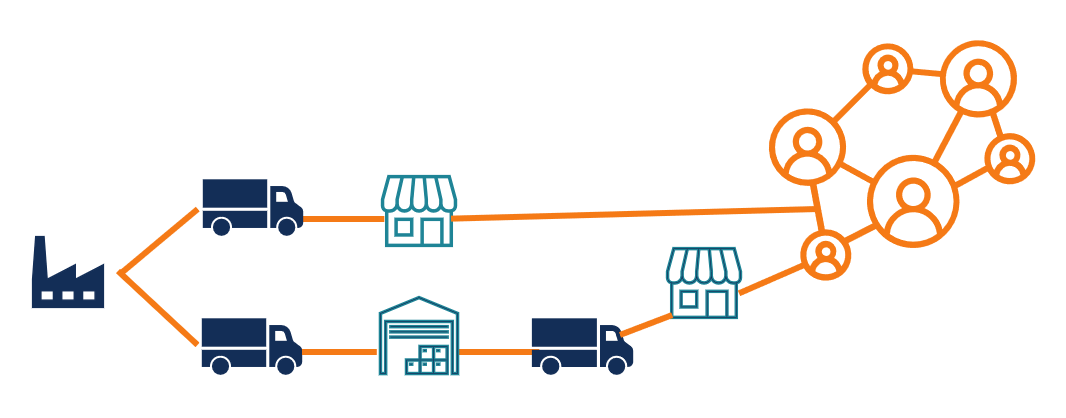





Healthcare companies that build strong distribution networks are often better positioned to improve product availability, reach more customers, and support long-term growth.
In emerging markets, where healthcare demand continues to rise, distribution can play a critical role in determining whether medicines, medical devices, and healthcare products successfully reach the people who need them.
Many healthcare organizations invest heavily in product development, manufacturing, and regulatory compliance. However, even high-quality products can struggle to achieve commercial success if they are not supported by an effective route to market.
This is why distribution has become an important strategic priority for healthcare businesses seeking growth opportunities in emerging economies.
As healthcare systems continue evolving across different regions, companies that strengthen their distribution capabilities often create stronger foundations for expansion.
Distribution Begins With Understanding the Market
A distribution strategy is only as effective as the market knowledge behind it.
Healthcare systems vary significantly between countries and regions. In some markets, hospitals may account for a large percentage of healthcare purchases, while in others, pharmacies, distributors, or government agencies may play a more significant role.
Understanding how healthcare products move through the market allows businesses to make informed decisions regarding distribution structures and commercial partnerships.
The more clearly a company understands the healthcare landscape, the easier it becomes to identify the most effective path to customers.
Accessibility Is Just as Important as Product Quality
Healthcare products deliver value only when they are accessible.
A pharmaceutical product may receive regulatory approval and demonstrate strong clinical performance, yet still face challenges if healthcare providers cannot access it efficiently. The same applies to medical devices, diagnostic equipment, and healthcare supplies.
Strong distribution networks help reduce these barriers by ensuring products are available where they are needed.
When healthcare providers can access products consistently, businesses often strengthen customer confidence while supporting better healthcare outcomes.
Reliable Partnerships Support Distribution Success
Distribution rarely succeeds in isolation.
Healthcare companies often depend on distributors, logistics providers, wholesalers, and local market partners to move products efficiently through the supply chain. These relationships influence everything from product availability to customer experience.
Strong partners contribute local knowledge, operational capabilities, and market insight that can help businesses navigate unfamiliar environments more effectively.
This is one reason many healthcare organizations prioritize relationship-building as part of their distribution strategy.
Companies such as Austine & Partners help businesses identify opportunities, strengthen commercial relationships, and develop distribution strategies that support sustainable growth across emerging markets.
Supply Chain Visibility Improves Performance
Many distribution challenges begin long before products reach customers.
Inventory shortages, forecasting errors, transportation delays, and communication gaps can all affect product availability. Without visibility into these activities, businesses may struggle to identify problems until they begin affecting customers.
Organizations that monitor their supply chains more effectively are often able to respond to issues before they become major disruptions.
Visibility also helps businesses make better decisions regarding inventory planning and resource allocation.
As healthcare markets become more complex, supply chain visibility continues to grow in importance.
Distribution Networks Should Be Built for Growth
A distribution system that works today may not be sufficient tomorrow.
As businesses expand into new territories, introduce additional products, or serve larger customer bases, distribution requirements often change. Companies that plan for future growth are generally better positioned to scale operations without creating unnecessary disruptions.
Building flexibility into distribution networks allows businesses to adapt more effectively as market conditions evolve.
This approach often supports both operational efficiency and long-term growth objectives.
Local Market Knowledge Creates Advantages
Emerging markets frequently present opportunities that are not immediately visible through data alone.
Local market knowledge helps businesses understand customer behavior, purchasing processes, regulatory expectations, and commercial realities. These insights can influence decisions regarding partnerships, inventory planning, and market prioritization.
Organizations that invest in local understanding often gain advantages that support stronger distribution performance.
Rather than relying solely on assumptions, successful healthcare companies typically combine market research with local expertise.
Technology Is Strengthening Healthcare Distribution
Technology continues to influence how healthcare products move through supply chains.
Businesses increasingly use digital tools to improve inventory management, track product movement, forecast demand, and monitor performance. These capabilities help organizations make more informed decisions while reducing inefficiencies.
Technology also supports greater transparency, allowing businesses to identify opportunities for improvement across different stages of distribution.
As digital solutions become more accessible, healthcare companies are finding new ways to strengthen their distribution networks and improve service levels.
Consistency Builds Trust
Healthcare providers depend on reliable access to products.
When products are consistently available, customers develop confidence in both the product and the organization supplying it. Conversely, frequent shortages or delivery disruptions can affect customer relationships and influence purchasing decisions.
Strong distribution networks contribute to consistency, which in turn supports trust.
Over time, this trust can become a significant competitive advantage for healthcare businesses operating in emerging markets.
Strong Distribution Supports Better Outcomes
Distribution is often discussed in terms of logistics and operations, but its impact extends much further.
Reliable distribution helps healthcare providers access essential products while enabling businesses to expand their reach and strengthen their market position. It connects innovation with accessibility and helps ensure that healthcare solutions reach intended users efficiently.
Organizations that treat distribution as a strategic business function often position themselves more effectively for future growth.
Looking Ahead
Healthcare demand is expected to continue growing across many emerging markets, creating opportunities for businesses that can deliver products efficiently and consistently. Strong distribution networks will remain an important part of that growth story, helping organizations improve accessibility while strengthening commercial performance.
For healthcare companies seeking to improve market reach, strengthen distribution capabilities, and build sustainable growth strategies, access to the right expertise can make a significant difference. Through market access support, commercial insight, and business development expertise, Austine & Partners helps organizations develop distribution networks that support long-term success.
To explore opportunities for stronger healthcare distribution and market expansion, connect with the Austine & Partners team at: https://austineandpartners.com/contact/