





Choosing the right distribution partner can have a significant impact on the growth of a Fast Moving Consumer Goods (FMCG) business. While product quality, branding, and marketing all contribute to success, distribution often determines whether products consistently reach customers and generate sustainable sales.
A strong distribution partner can help a business expand its market presence, while the wrong partner can create delays, inefficiencies, and missed opportunities.
Many FMCG companies invest heavily in developing products that meet consumer needs. However, growth becomes difficult when those products are not available in the right places at the right time.
This is why distribution should not be viewed as a logistical function alone. It is a strategic business decision that can influence customer satisfaction, market penetration, and long-term profitability.
As competition continues to increase across FMCG markets, selecting the right distribution partner has become more important than ever.
Distribution Partners Shape Market Reach
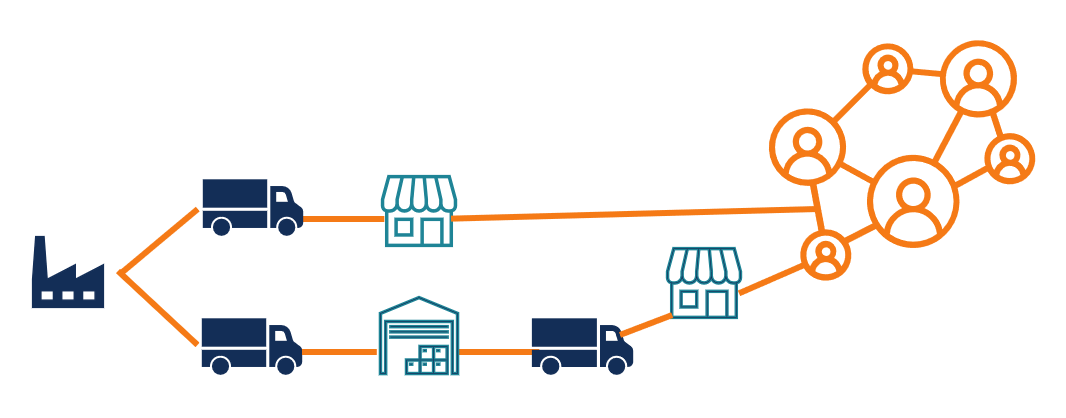
A distribution partner does much more than move products from one location to another.
The right partner helps businesses access retailers, wholesalers, and customers efficiently. They provide market coverage that may otherwise take years to build independently and often contribute valuable local knowledge that strengthens commercial decision-making.
A strong distribution network can help a brand enter new markets more effectively while improving product availability across existing territories.
For many FMCG businesses, growth opportunities are closely linked to the strength of their distribution relationships.
Market Knowledge Matters
Every market has unique characteristics.
Consumer behavior, retail structures, purchasing patterns, and competitive conditions can vary significantly between regions. Distribution partners with strong market knowledge are often better equipped to help businesses navigate these differences.
Local insight can help identify growth opportunities, anticipate challenges, and improve market positioning. It can also support better inventory planning and customer engagement.
Businesses that work with knowledgeable partners often gain a clearer understanding of how products move through the market and where opportunities exist for expansion.
Reliability Is Essential
One of the most important qualities in a distribution partner is reliability.
Retailers and consumers expect products to be available when needed. Frequent stock shortages, delayed deliveries, or inconsistent service can affect customer trust and reduce sales opportunities.
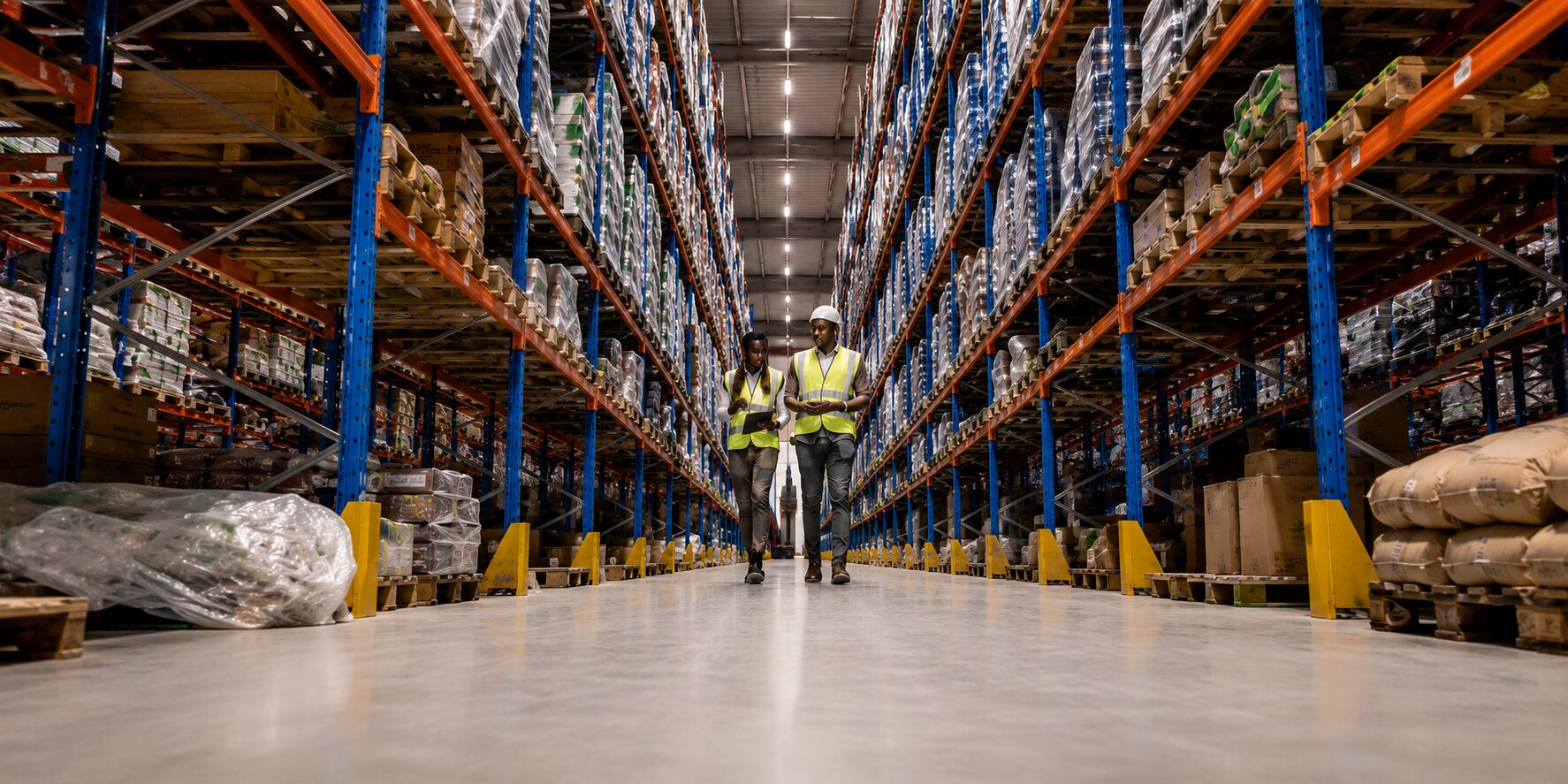
Reliable partners help maintain continuity across the supply chain. They support product availability, improve operational efficiency, and contribute to stronger customer experiences.
Consistency often becomes a competitive advantage, particularly in FMCG markets where purchasing decisions are made frequently.
Coverage Should Match Growth Objectives
Not all distribution partners offer the same level of market coverage.
Some may excel in specific regions, while others operate across broader territories. Before selecting a partner, businesses should evaluate whether the partner’s reach aligns with their expansion goals.
A company looking to strengthen presence in urban markets may require a different distribution approach from one targeting regional or national growth.
The objective is to find a partner whose capabilities support both current needs and future ambitions.
This alignment often contributes to more effective market expansion.
Strong Communication Supports Better Results
Distribution relationships work best when communication is clear and consistent.
Businesses benefit from partners who provide regular updates, share market insights, and communicate potential challenges before they become significant issues.
Open communication helps improve decision-making while allowing both parties to respond more effectively to changing market conditions.
It also strengthens trust, which remains an important foundation for successful long-term partnerships.
The strongest distribution relationships are often built on transparency and collaboration rather than transactions alone.
Technology Can Improve Distribution Performance
Modern distribution increasingly relies on technology.
Inventory tracking, sales reporting, demand forecasting, and supply chain visibility tools help businesses make better decisions while improving efficiency.
Distribution partners that invest in technology are often better equipped to provide accurate information and support operational excellence.
Access to reliable data can help businesses identify opportunities, monitor performance, and respond more effectively to customer demand.
As markets become more competitive, technology continues to play a larger role in distribution success.
Long-Term Thinking Creates Better Partnerships
Many businesses focus primarily on immediate requirements when selecting distribution partners.
While short-term performance is important, long-term compatibility often matters just as much. A partner that supports future growth, adapts to changing needs, and invests in the relationship can create significantly more value over time.
Successful FMCG companies often view distribution partnerships as strategic assets rather than operational necessities.
This mindset encourages stronger collaboration and creates opportunities for sustained growth.
The Cost of Choosing the Wrong Partner
Poor distribution decisions can affect more than logistics.
A weak partner may limit market reach, create operational inefficiencies, and affect customer satisfaction. These challenges can slow growth and make it difficult for businesses to compete effectively.
The consequences are often felt across multiple areas of the business, from sales performance to brand perception.
For this reason, partner selection should involve careful evaluation rather than convenience or short-term cost considerations.
The right partner can accelerate growth, while the wrong one can become a barrier to progress.
Why Strategic Support Matters
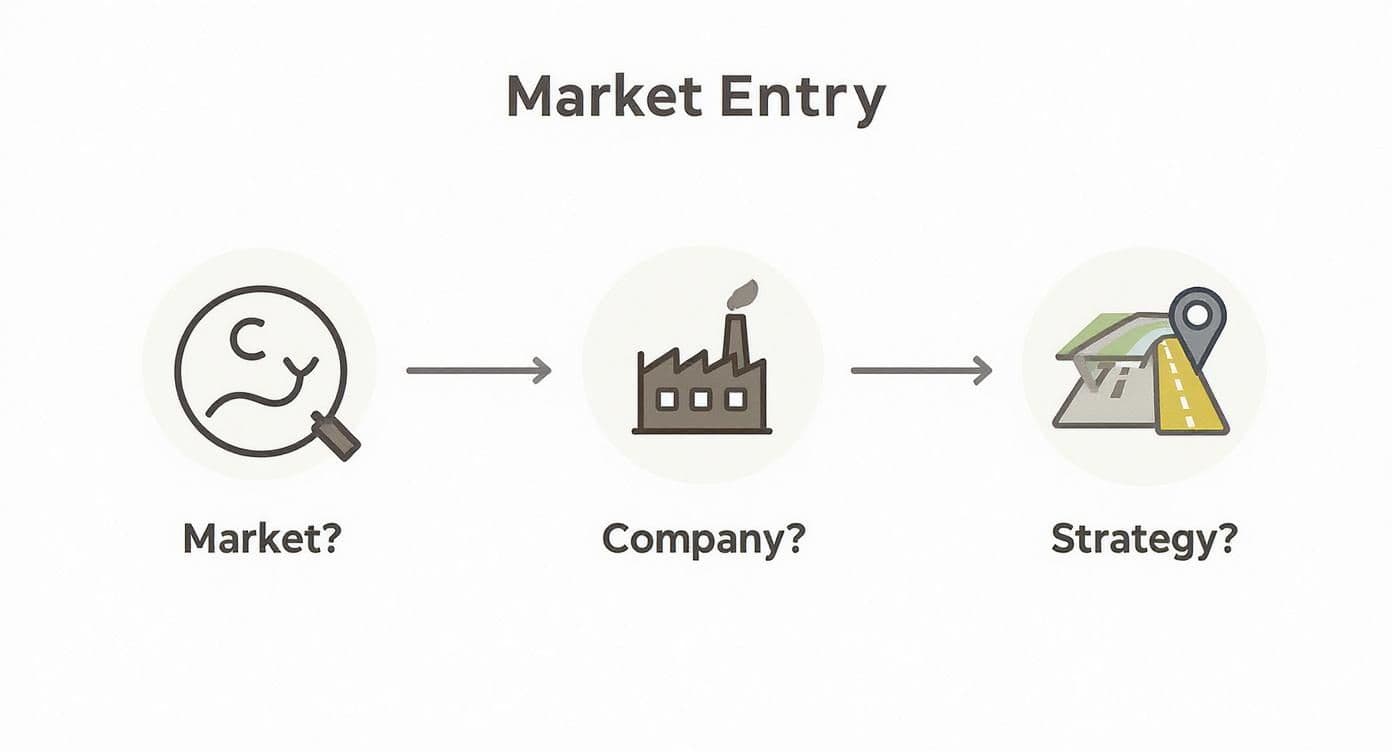
Identifying the right distribution partner requires a strong understanding of both market conditions and business objectives.
Companies must evaluate capabilities, coverage, operational standards, and growth potential before making decisions. This process becomes even more important when entering unfamiliar markets or pursuing expansion opportunities.
Organizations frequently work with experienced market access specialists such as Austine & Partners to strengthen distribution strategies, identify commercial opportunities, and build relationships that support long-term growth.
Having access to the right expertise can simplify decision-making while improving expansion outcomes.
Beyond Distribution
Choosing a distribution partner is ultimately about building a foundation for sustainable growth. Businesses that invest time in selecting the right partners often strengthen market access, improve product availability, and create better customer experiences.
As FMCG markets continue evolving, strong distribution relationships will remain an important driver of commercial success. Through market access expertise, business development support, and commercial insight, Austine & Partners helps businesses identify the partnerships that support meaningful growth and long-term market success.
To discuss distribution strategies and market expansion opportunities, connect with the Austine & Partners team at: https://austineandpartners.com/contact/